 ×
×
A significant number of decisions must be made while creating a brand. The most important decision for both designers and businesses in the luggage industry is how to convert their designs from digital to physical products and deliver them to their customers. A backpack is more than just textile sewn together. A backpack must be made with a commitment to superior quality, be an everyday essential tool to carry with you each day, and be a reflection of your customers’ view of your company’s brand.
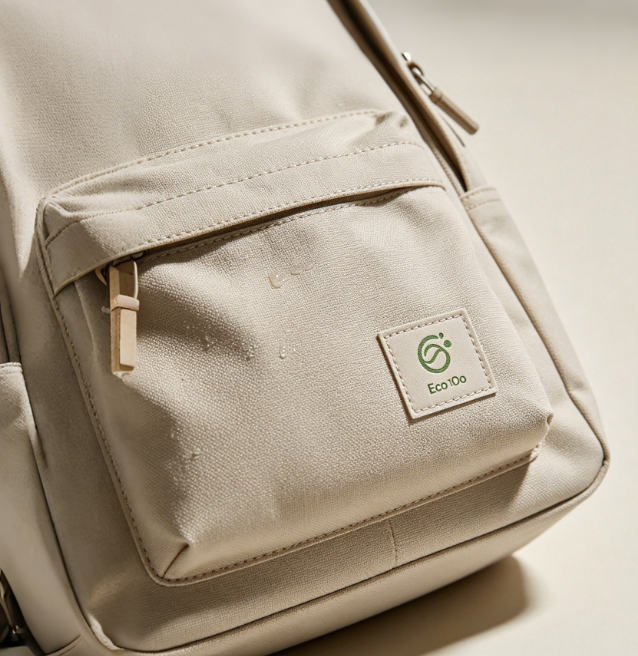
In 2026, the global marketplace is becoming increasingly demanding when it comes to product quality and service delivery. The human dynamic of manufacturing — ensuring that you have a dependable manufacturing partner who can provide the products you need at the volume you require, in sync with your company’s philosophy — is becoming an essential source of competitive advantage. This guide provides in-depth information about manufacturing operations so that you can find the perfect partner to manage all aspects of the mass production process and custom OEM development for your business.
The Certainty of Reliability (Your Supply Chain’s Best Marketing Tool)
With trends being copied worldwide within hours or days, there is no greater fear for any brand owner or manufacturer than experiencing demand for their product that outstrips the ability of the manufacturer to supply their product. We have all experienced this: a brand has created a beautiful product line and starts to generate demand--the manufacturer fails to deliver the same level of service or quality that created the product; shipments are delayed, and customers are unhappy.
When we speak of “month capacity,” we are talking about more than just numbers on a sheet of paper; we are talking about the peace of mind that you'll have from your relationship with your production partner.
A reliable manufacturing partner in 2026 should be able to offer you production "volume" that will provide a safety net for your growth. If you are placing a small, 300-unit order for a boutique offer or a 50,000-unit order for global distribution, the ability of the factory to manufacture a large quantity of any product without compromising on minor details is what differentiates a vendor from a partner. When the manufacturing partner has that ability, your product development can focus on marketing your brand instead of worrying about the integrity of the production relationship.
The Green Standard: Why GRS Certification is the New “Must-Have” for 2026
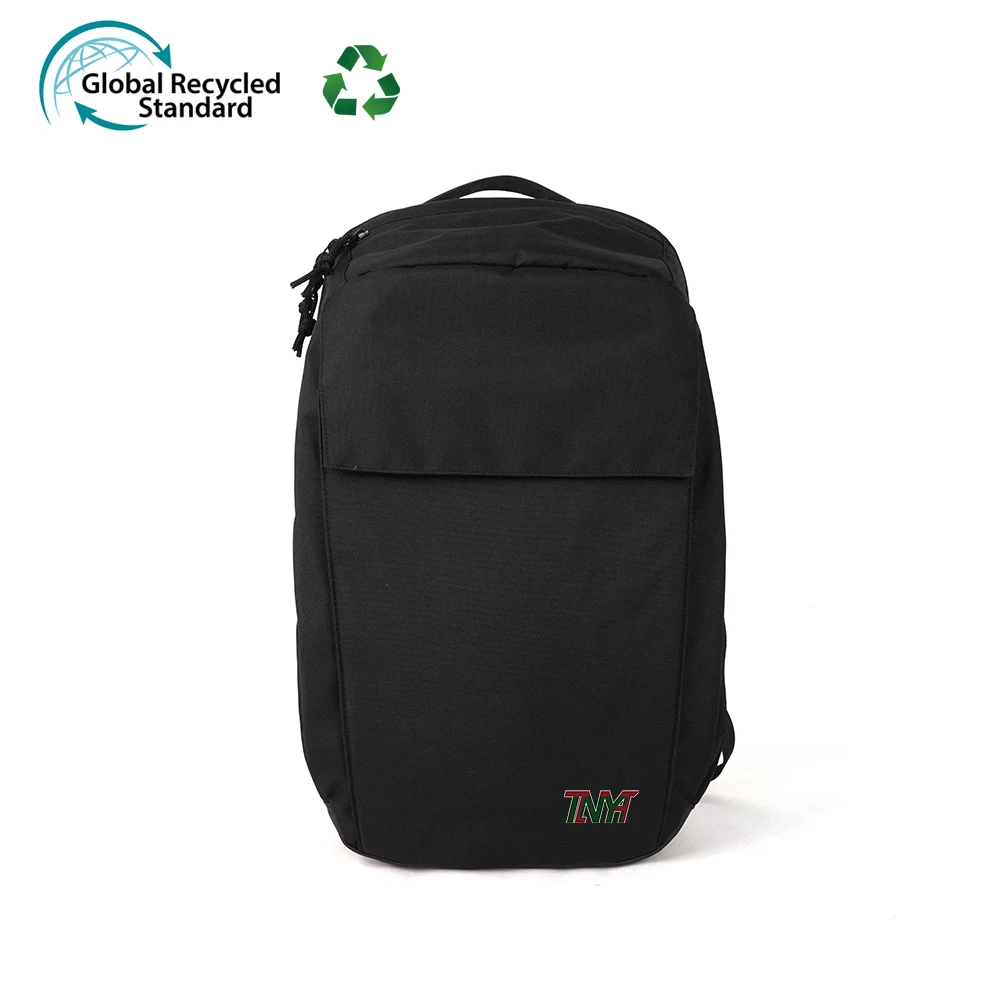
Sustainability is no longer a "nice to have" or merely a label on a hidden part of a product; the modern consumer seeks out the story behind their materials. This is where the Global Recycled Standard ("GRS") comes into play. If your manufacturer has GRS certification, then you have a verified chain of custody for achieving an environmentally responsible product.
GRS certification means not only that the fabric from which your product is made is recycled, but it also means that you can demonstrate a verified ethical and sustainable product all along the chain of custody process, including the managing of chemicals used to dye your product and the fair and equitable treatment of sewers manufacturing your products. When you can tell your customers their new product is made from recycled polyester and that their product was produced creating a fair wage for the workers who manufactured their product; you have much more than a physical product to sell to them; you are creating a movement that customers want to support through their purchasing decision. You are creating a trust between your customers and your brand that purchasing a marketing campaign will not create.
Every great bag starts with a spark of inspiration—a sketch on a napkin or a sophisticated digital mockup. But the bridge between a 2D design and a 3D masterpiece is the OEM (Original Equipment Manufacturer) process. This is the most creative part of the partnership, where technical expertise meets artistic vision.
A humanized manufacturing process starts with a dialogue. Can the factory translate your specific curves, pocket placements, and hidden features into a functional prototype? This is where "sampling" becomes your best friend. A sample is essentially the "first draft" of your brand’s next chapter. It allows you to feel the texture of the ballistic nylon, test the glide of the zippers, and check the weight distribution of the straps before you commit to a full production run.
The questions we frequently hear about are "Sampling Fees" and "Lead Times". One way to look at a sample is not as just one bag, but as a small Research & Development project. In order to create a prototype, the factory has to secure the exact material(s), create a unique pattern, and take skilled craftsman off the production line to focus on this single item. This normally takes 7-14 days depending on the complexity of the pattern for the bag.
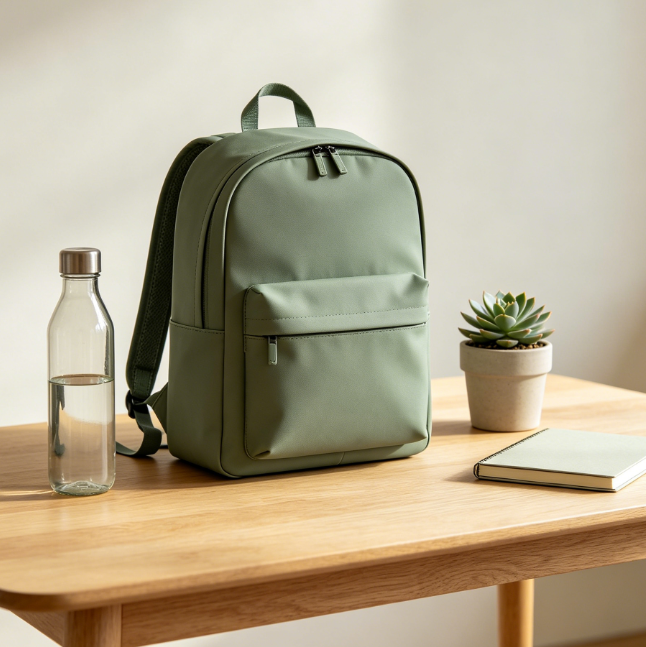
There is a cost to do this, but it is an investment towards the perfect product. It is far better to locate a problem with a sample than it is to locate the problem with a shipment of 5000 bags. In many cases, the manufacturer will also credit back the sampling fee once your bulk order is placed. This shows a commitment from both parties to ensure the end product is of the highest quality.
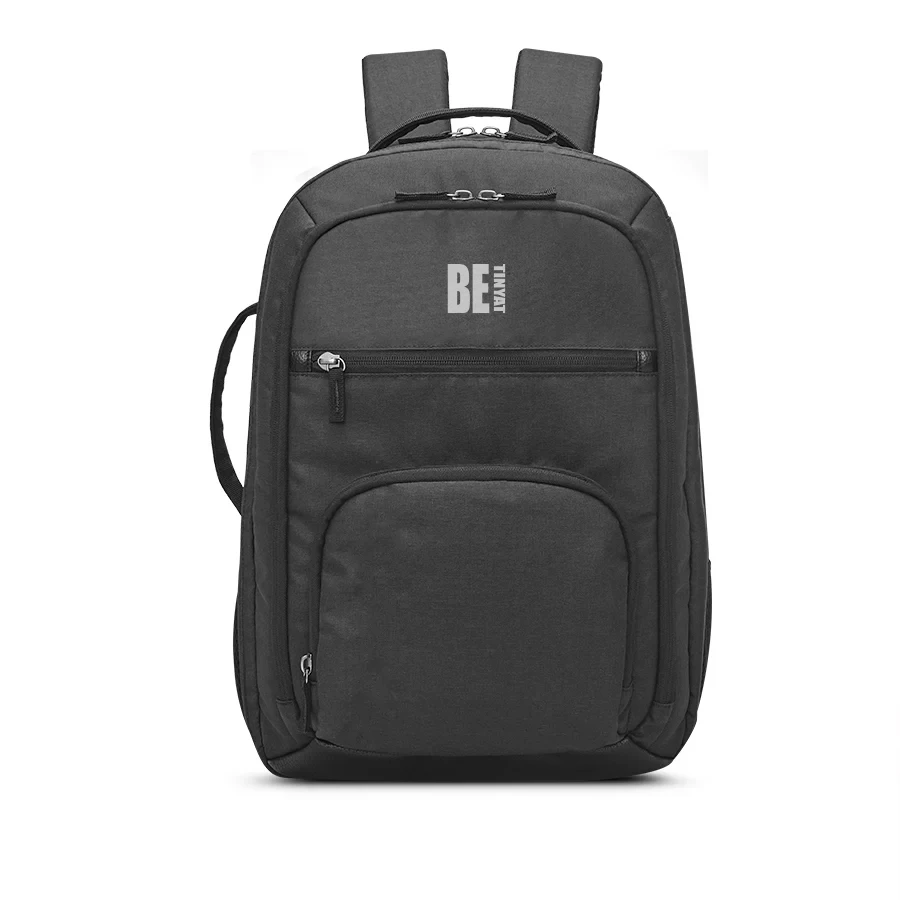
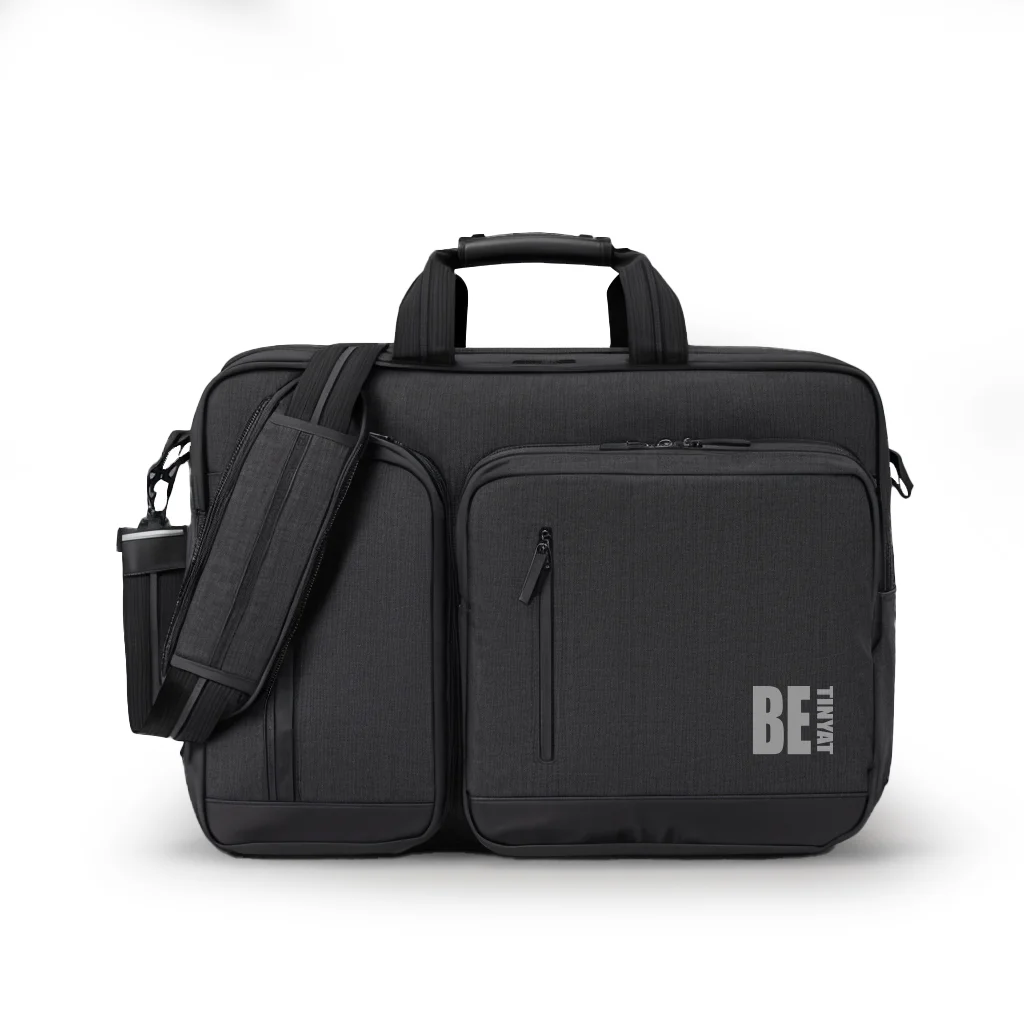
The finer points are where luxury lies; once the structure is right, we turn our attention to branding. How do you want your logo to come across? Your options for branding in 2026 are wider than they have ever been. Silk-screen printing creates a modern and crisp effect that is ideal for large graphics. Embroidery has more of a classic and textured feel, often giving off a sense of timelessness or strength. If you want to appear sophisticated but don't want to be overly flashy, embossing or debossing your logo on synthetic leather or metal plates provides sophistication without the need for words to convey that sophistication.
Choosing the right method to suit the people you intend on selling to when working with a company who understands all aspects of "Humanized Design" will help you determine which option is best for your project. As an example, they can provide guidance on which methods hold up best when exposed to extreme weather and which methods give your bag the “pop” it needs to stand out on a retail shelf or other similar locations. This is the technical portion of the consultation that helps change a basic bag into equipment used by professionals.
At the end of the day, manufacturing is a people business. You aren’t just looking for machines; you are looking for eyes that can catch a loose thread and hands that can stitch a dream into reality. As you look toward scaling your brand in 2026, prioritize a partner who offers transparency in their certifications, stability in their supply chain, and passion in their customization.
Your brand deserves a basecamp that is as resilient as your ambition. By choosing a manufacturer that balances industrial capacity with an artisan’s attention to detail, you ensure that every customer who zips up your bag feels the quality and the care that went into its creation.
 Hot News


 EN
EN