
 EN
EN



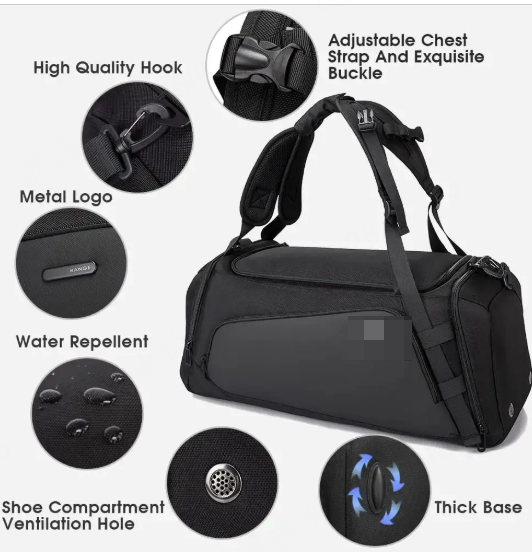
A simple guide for brands and online sellers to pick the right waterproof level for their tailored bags.
One of the most frequent inquiries we get when custom bags are either sourced or made is:
“Is this bag waterproof?”
Almost half of this question lies in the fact that the term “waterproof” itself is largely misunderstood.
Quite a few purchasers just want their products to be somewhat protected against the rain, with full waterproof performance being the farthest end of that scale.
There are in fact three different waterproof levels - water-repellent, water-resistant, and fully waterproof.
Knowing these distinctions makes it easier to select the right materials, manage the budget, and at least partially satisfy customer expectations.
Three Waterproof Levels
The explanation of levels is as follows:
LevelDescriptionPerformanceTypical UseCost & ComplexityWater-Repellent Fabric with a surface treatment (DWR if durable) - water drops stay on and roll off.Light protection; rain/splashes onlyDaily commuter, laptop or school bags★ LowWater-ResistantPU or TPU coating (inside the fabric) is the main source of the medium protection.Rain protected, but not fullyTravel, various outdoor/sports type bags★★ MediumFully WaterproofMaking the bag airtight; seams taped, waterproof zippers used.Heavy rain short immersion should not be an issue.Dry bags, marine, motorcycle type - any near constant wet use★★★ High
Key point:Stronger protection levels lead to higher costs, more weight, and higher quality control demands.
Fabric and Coating – The First Line of Defense
The best fabric is what truly waterproofing should be based on.
- Nylon and/or Polyester are the most used, with RPET being a nice eco-friendly alternative.
- TPU Laminated Fabric: The one that is flexible and waterproof at the same time and can be sealed is made for high-end fully waterproof bags.
- A PU (Polyurethane) or TPU coating is a thin layer of protection; water penetration is almost completely stopped.
If the coating is thicker the bag will have a higher official waterproof rating - softening and some degree of breathability are the compromises made.
Don't Forget the Weak Points: Seams, Stitching, and Zippers
Water can get through small holes even in fully waterproof fabric - a needle hole, zipper is the most likely culprit.
Seams and Stitching
Every hole made by a needle is a possible leak.
We use these prevention methods:
- Seam taping – the film that covers the sewing line is glued/hardened by the heat.
- High frequency welding or real seamless bonding – the most suitable for dry bags and more advanced full waterproof gear.
Zippers
- Normal zipper: Not waterproof, only for casual use.
- Water resistant coating on the outside: Splashes are kept away.
- Fully waterproof zipper: Airtight in all but the most extreme situations; hence, dry/marine type bags get this kind of zippers.
? Most products would be perfectly balanced if the zippers were at least upgraded to the water-resistant level.
Balancing Waterproof Level, Comfort, and Cost
It is not necessary for each bag to be fully waterproof. The function, comfort, and production cost to some extent should all be balanced.
AspectWater-RepellentWater-ResistantFully WaterproofWeightLightMediumHeavyBreathabilityGoodMediumPoorCostLowMediumHighSuitable forEveryday/bizTravel/sportsOutdoor/marine
Water-repellent bags are very suitable for daily commuting (light rain protection is more than enough). Water-resistant is still a very functional and all-round 'good' level of protection.Fully waterproof is a special case but, as a consumer, we all want to see a bag that we can rely on to keep water out.
Functional Insights: Water Gets In from Almost Everywhere
An experienced buyer would even consider a “waterproof” bag not to be really waterproof.Water is a constant enemy of a bag's internal or external functionality.
Panel joints and accessories — that is the reason why total waterproof performance requires system design, not just coated fabric.
If your customer is not asking for full sealing (for instance, he is not requesting waterproof zippers or taped seams) then just a water-repellent fabric would already be enough.
This decision will assist you in keeping production comfortable and less complicated and also in having control over various kinds of costs.
Cost and Quality Control Considerations
Each waterproofing level has an effect on:
- Material cost: Among the most expensive options being TPU-laminated fabrics and said waterproof zippers.
- Production complexity: Stages like sealing, bonding, and all related QC processes require specialized machines.
- Testing: Fully waterproof bags have to undergo water pressure/leakage testing of some kind.
It is absolutely necessary to communicate the use scenario with the manufacturer prior to confirming the materials and construction.
Our Recommendation
We at Tianqin Bags assist brand owners and e-commerce sellers in matching their budget and target market with the appropriate waterproof level.
- Backpacks for everyday use or lifestyle brands in a more general sense - water repellent would be just right.
- Outdoor, gym, or travel collections - stronger protection is needed; We are good with PU coated fabrics and at least partially sealed zippers.
- Waterproofing at a professional level (marine grade if required) means that we have to go with fully sealed TPU constructions.
By selecting the proper level, one is able to avoid the unnecessary waterproofing costs that the end user will never fully appreciate.