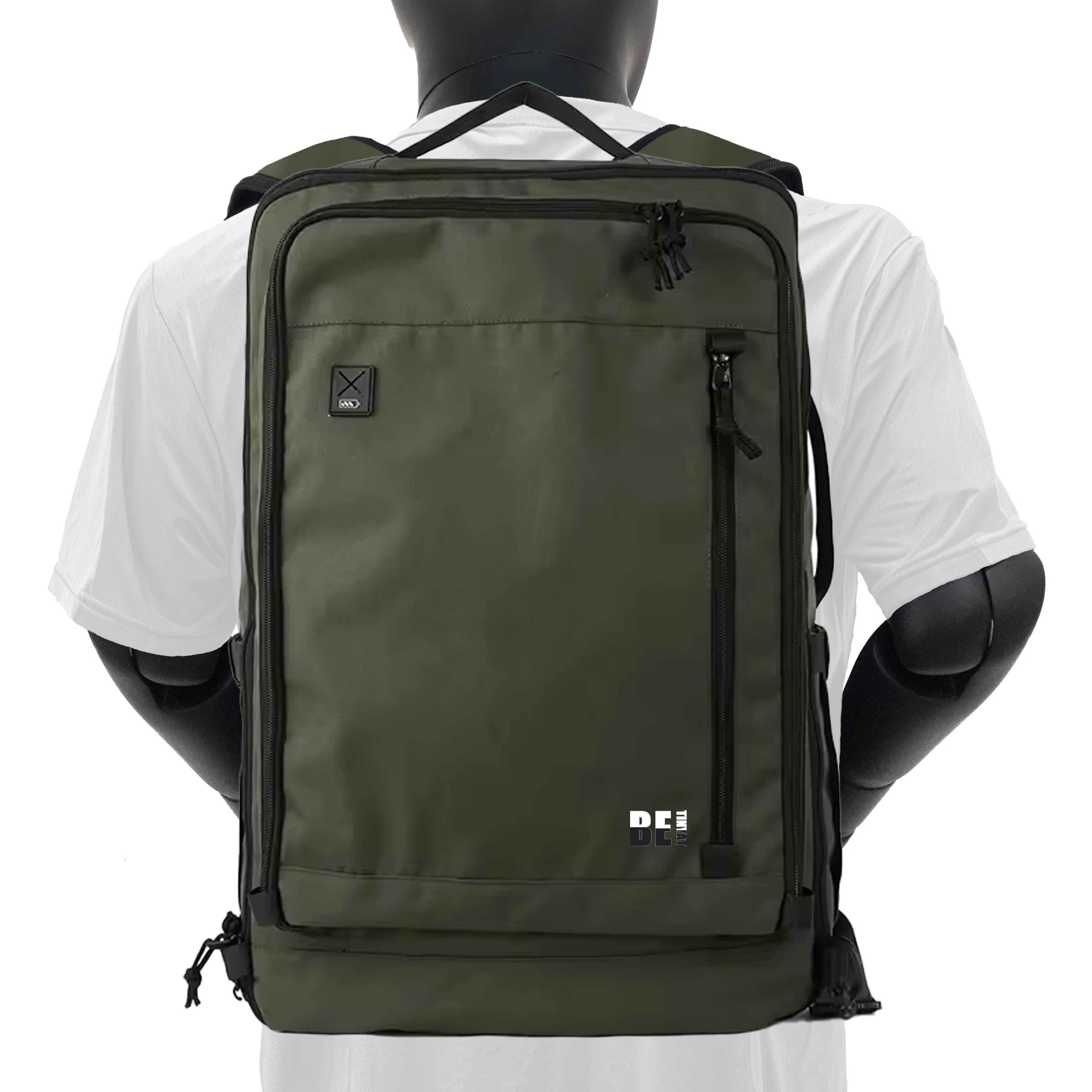
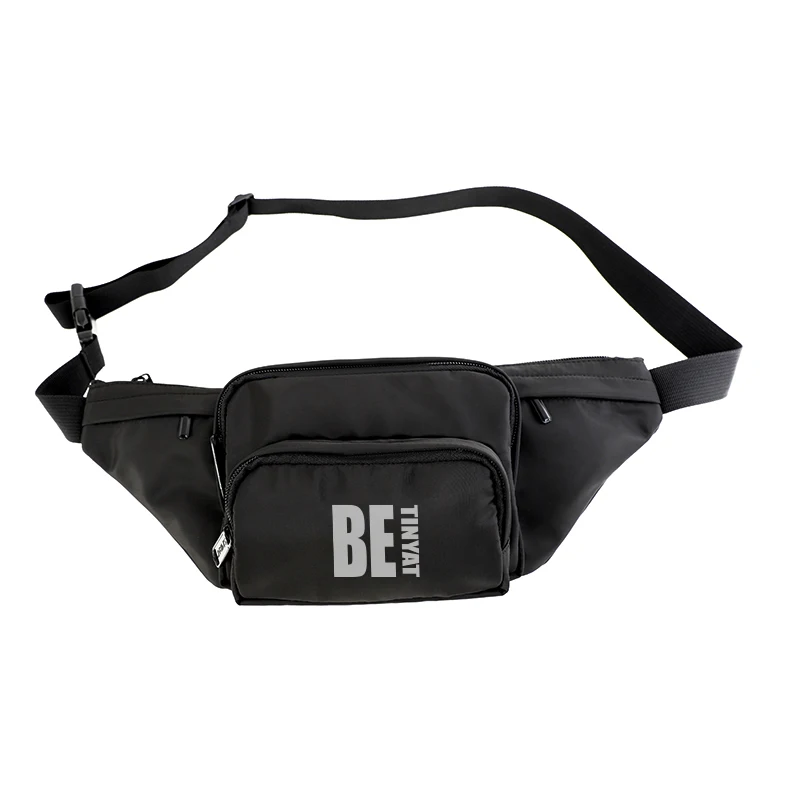
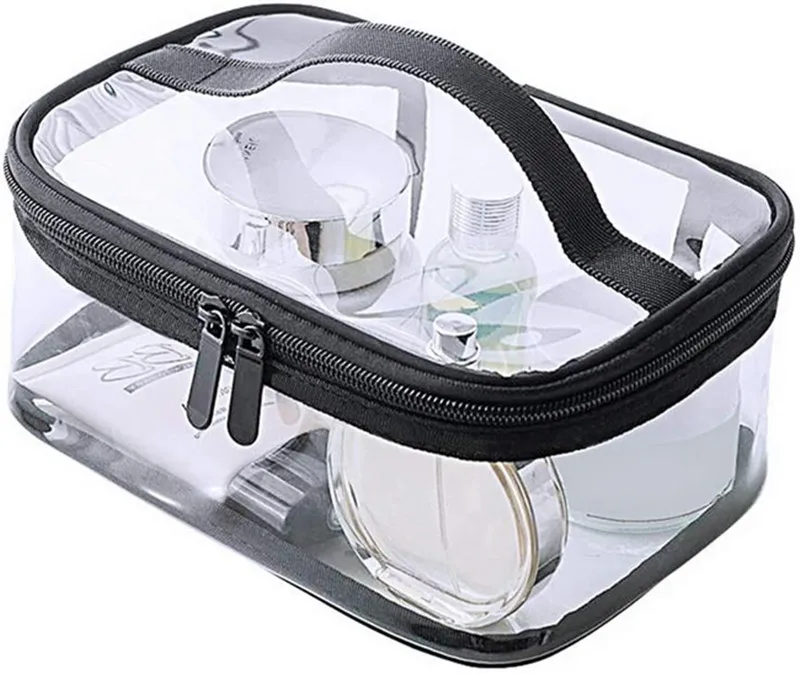
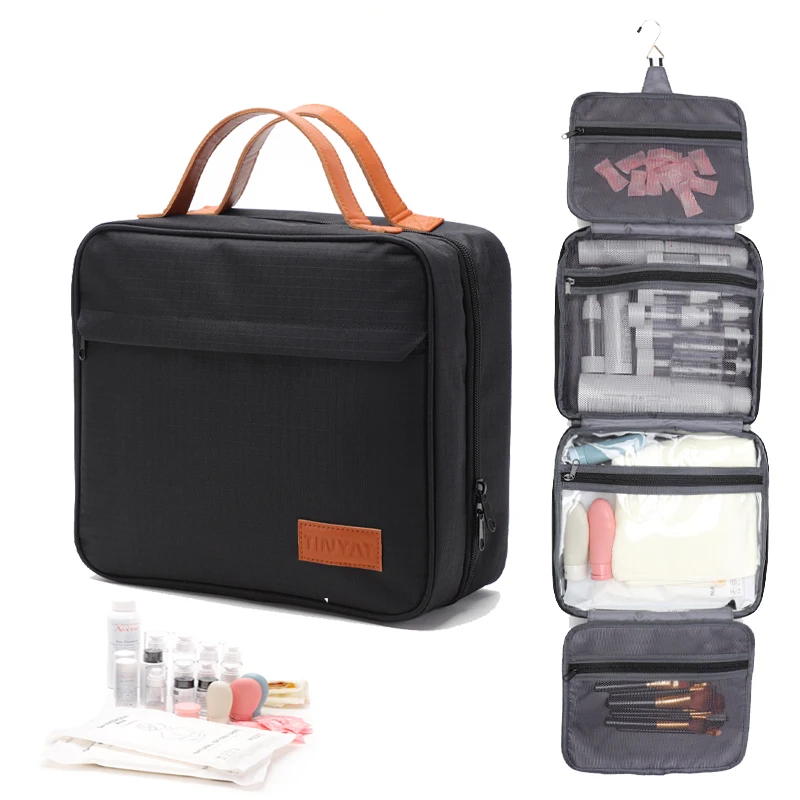
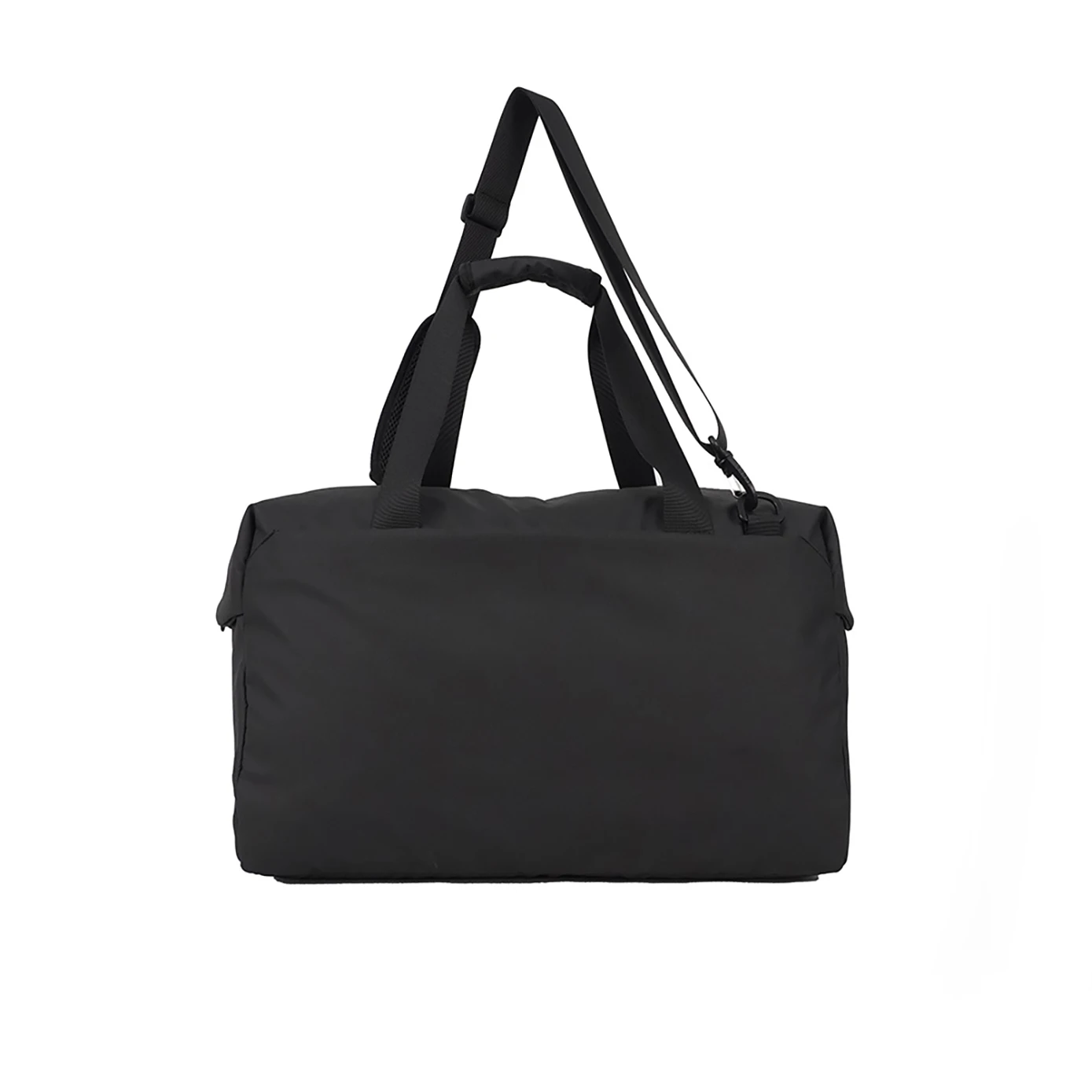
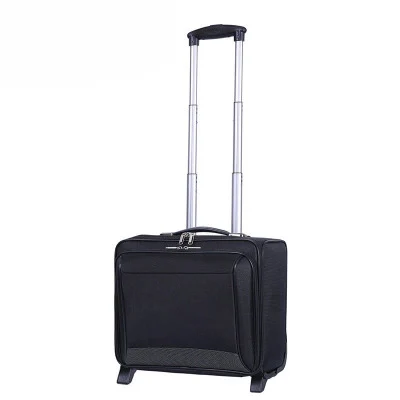
In the professional tech and business travel sector, a bag is more than a container; it is a protective shell for high-value assets. For B2B procurement managers, ensuring that a laptop or tablet survives the rigors of global transit is a primary risk mitigation factor. The industry-recognized benchmark for this protection is the 1.5m drop test. This rigorous protocol simulates real-world accidents, ensuring that the internal architecture of the bag can dissipate kinetic energy before it reaches the sensitive electronics inside.
1. The Physics of Impact Dissipation
A successful protective design does not just stop an impact; it manages it. High-end tech bags utilize multi-layered foam densities, often combining EPE (Expanded Polyethylene) with high-density EVA (Ethylene-Vinyl Acetate). When the bag hits the ground from 1.5 meters, these layers compress at different rates, extending the deceleration time and reducing the peak force transmitted to the device. Engineering the "cradle" to keep the laptop suspended away from the bottom and edges of the bag is critical to passing this test.
2. Protecting the Corners: The Highest Point of Failure
Statistical data from warranty claims shows that the corners of a device are the most vulnerable points during a fall. Professional manufacturers implement reinforced corner bumpers or "suspension systems" that provide extra cushioning where it is needed most. During the 1.5m drop test, the bag is dropped at multiple angles to ensure that regardless of how it lands, the structural integrity remains intact and the contents remain functional.
3. Testing Beyond the Prototype
Reliability in mass production requires that testing is not a one-time event during the design phase. Strategic buyers look for partners who integrate drop testing into their regular quality control cycles. By testing random samples from the production line, manufacturers ensure that material consistency and assembly precision have not deviated from the "Golden Sample." This statistical confidence is what allows brands to offer long-term warranties with minimal financial risk.
4. The ROI of Over-Engineering
While implementing 1.5m drop test compliance increases initial manufacturing costs, the Return on Investment is realized through reduced return rates and protected brand equity. In a market where a single damaged laptop can lead to a lost corporate contract, the cost of high-density padding is a negligible insurance premium. Buyers in the US and EU markets increasingly prioritize these technical specifications over lower unit prices to ensure long-term total cost of ownership (TCO) optimization.
5. Verification and Documentation
A verbal claim of "impact resistance" is insufficient for professional procurement. Manufacturers must provide detailed test reports, often including video documentation of the drop tests and pre/post functional checks of the dummy devices used. This transparency provides the "paper trail" that corporate compliance departments require for high-stake sourcing decisions.
Quanzhou Tianqin Bag CO.,LTD utilizes 1.5m drop test protocols and high-density EVA suspension systems to ensure our tech bags provide the extreme protection required by global professional commuters.
 ×
×
 Hot News


 EN
EN