 ×
×
Waist packs are back and bigger than ever. Learn why the resurgence is happening, which styles are selling, and how to source custom waist packs for your brand.
────────────────────────────────────────────────────────────
A decade ago, wearing a waist pack (or "fanny pack") was a punchline. Today, it is a fashion staple worn by everyone from streetwear influencers to middle-aged travelers who finally stopped caring what people think.
More importantly for brands and sellers, waist packs are moving serious volume. Here is what is driving the resurgence and how to source them right.
────────────────────────────────────────────────────────────
The waist pack's comeback was fueled by streetwear brands and luxury houses putting their logos on the once-mocked accessory. Gucci, Prada, and Supreme all released waist packs. Suddenly the uncool became cool — and the trend cascaded down to every price point.
But unlike many fashion revivals, this one stuck. Why? Because waist packs are genuinely useful in a way they were not in the 90s. People carry more now — phones the size of small tablets, power banks, wireless earbuds, hand sanitizer. A waist pack carries the essentials while keeping hands free and pockets empty.
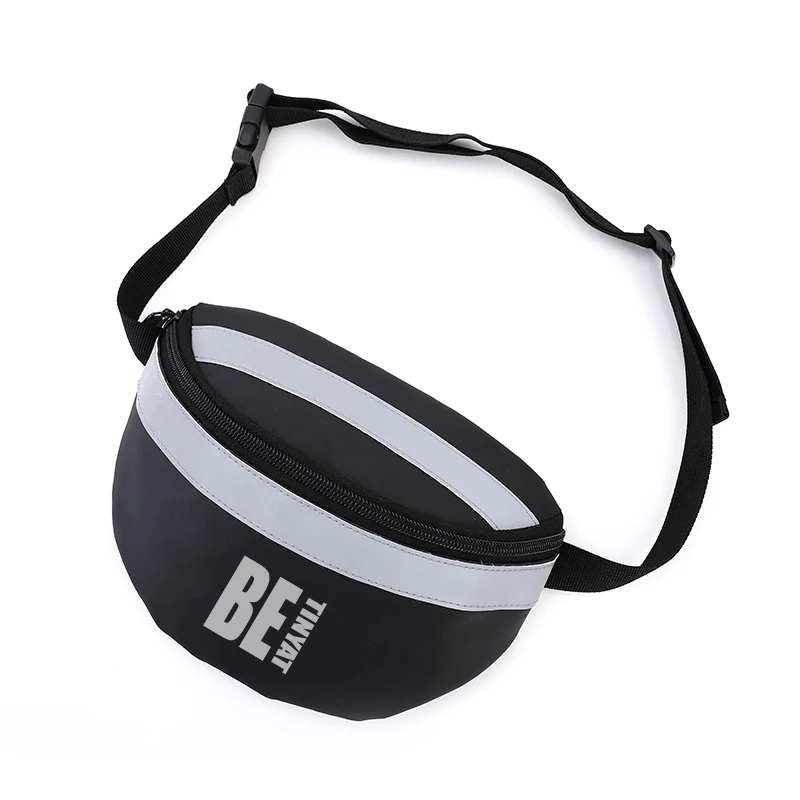
The biggest change from the 90s version: people now wear waist packs cross-body — slung diagonally across the chest, not around the waist. This single styling shift changed the perception from "dad at Disney World" to "street style." When sourcing, look for designs with adjustable straps long enough for cross-body wear.
Waist packs cross demographic lines in a way few accessories do. They sell to festival-goers who want hands-free security for valuables, travelers who need quick access to passport and boarding pass, runners and cyclists who want minimal carry weight, and fashion buyers who just like the look.
This broad appeal means a single well-designed waist pack can target four different customer segments with slightly adjusted marketing — not four different products.
Quanzhou Tianqin Bag Co., Ltd. produces custom waist packs with features tailored to each of these use cases — waterproof zippers for outdoor users, RFID-blocking pockets for travelers, and sleek minimalist designs for fashion-focused buyers — all from the same production line.
The features that drive waist pack sales: adjustable straps long enough for cross-body wear (non-negotiable), water-resistant fabric (rain happens), a rear hidden pocket against the body for phone or wallet, organized internal dividers rather than one open cavity, and clean, logo-minimal designs (the era of giant branding on waist packs is fading).

Waist packs are simpler to manufacture than backpacks — fewer materials, less stitching, smaller surface area. This means lower per-unit costs, faster sampling, and shorter production timelines. For brands testing the bag category for the first time, waist packs are a lower-risk entry point than full backpacks.
────────────────────────────────────────────────────────────
The waist pack revival is not a fad — it has lasted long enough and spread wide enough to be treated as a permanent category expansion. For brands and sellers, the window for entering a growing market with less competition than backpacks is still open.
*Want to launch custom waist packs for your brand? TINYAT offers waterproof materials, anti-theft features, and cross-body optimized designs. 18 years of manufacturing experience. Contact us for samples and pricing.*
 Hot News


 EN
EN