 ×
×
In the world of international trade, a static certificate on a wall is no longer enough to guarantee a stable supply chain. Real quality management requires a dynamic system where Data Transparency is the core metric. For professional procurement teams, the ability to see the "how" and "why" behind an inspection is what builds true trust.
1. Moving Beyond Static Certificates
While ISO or BSCI certificates are essential prerequisites, they are only snapshots in time. Professional buyers look for Digital Traceable Records of each inspection phase to ensure batch-to-batch consistency. This transparency allows for proactive management rather than reactive problem-solving when a shipment arrives.
2. Incoming Quality Control and Material Verification
Quality control begins before a single piece of fabric is cut. Incoming materials must be rigorously tested for tear strength, colorfastness, and chemical safety. This proactive approach ensures that sub-standard materials never enter the production line, effectively eliminating quality risks at the source.
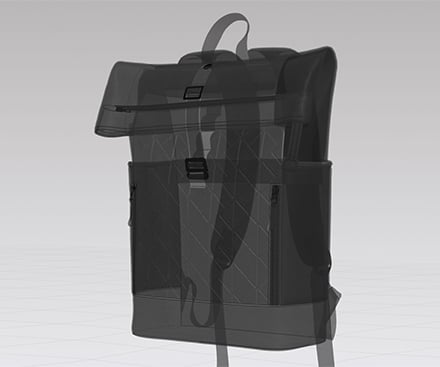
3. In-Process Quality Control and Real-Time Correction
Errors caught during assembly are exponentially cheaper to fix than those found in finished goods. In-process quality control involves regular audits of production lines to ensure that SOPs are being followed. This real-time feedback loop allows for immediate correction, maintaining the integrity of the entire production run.
4. Final Quality Control and AQL Standards
The final defense is a rigorous check based on internationally recognized AQL 2.5/4.0 standards. This statistical approach provides the high level of confidence needed for US and EU retail markets. It ensures that quality is a measurable fact rather than a vague promise. At Quanzhou Tianqin Bag CO.,LTD, we don't just promise quality; we document it at every stage, ensuring that every bag delivered meets the rigorous standards expected by the world's most demanding procurement teams.
 Hot News


 EN
EN