 ×
×
The journey from a sketch to a functional, mass-produced product is full of technical challenges. A design that looks perfect on paper can fail in production if the technical gap isn't bridged by expert engineering. For brands looking to scale, the ability of a manufacturer to translate vision into a manufacturable reality is the difference between a successful launch and a costly failure.
1. Pattern Engineering and Material Optimization
A design is only as good as its pattern. Expert Pattern Engineering does not just replicate a drawing; they engineer it for the realities of mass production. This involves adjusting for fabric thickness and grain direction to optimize material yield while enhancing the bag's structural integrity.
2. Specialized Jigging for Consistency
Transitioning from a single sample to an order of 50,000 units requires more than just standard machines. It requires Specialized Jigging and fixtures to ensure every component is aligned perfectly. This technical setup eliminates the variance that often plagues manual production lines, ensuring that unit number one is identical to unit number fifty thousand.
3. Automated Cutting and Precision
Manual cutting introduces human error that can lead to misaligned seams and poor symmetry. Automated, computer-controlled cutting systems ensure every piece of fabric is cut with surgical precision. This accuracy is the foundation for a professional, high-quality finished product that meets the expectations of high-end retail markets.
4. Technical Interpretation of Design Intent
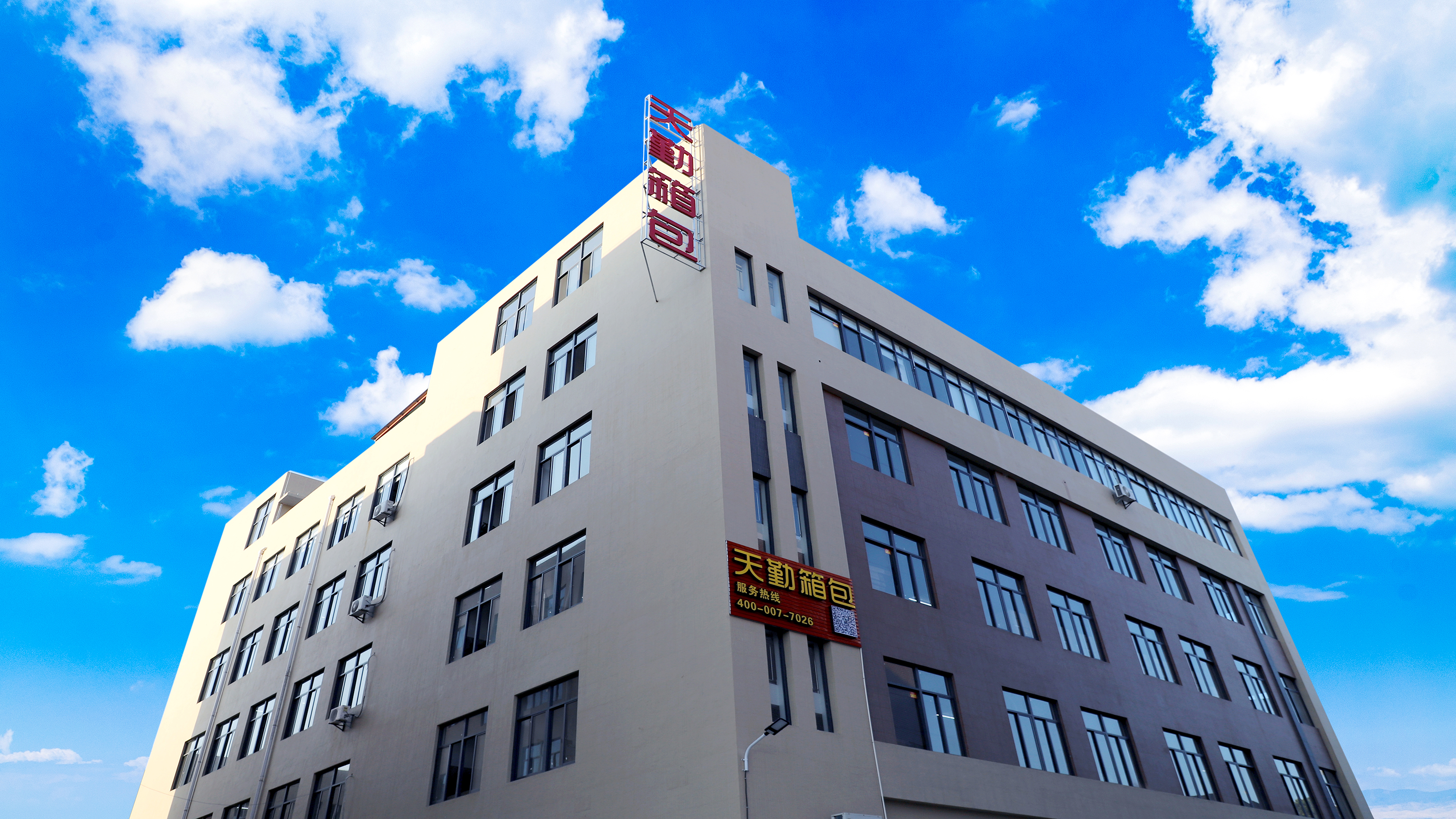
The most successful factories can interpret a designer's vision and suggest technical improvements. This requires a deep understanding of how different components interact under load. Quanzhou Tianqin Bag CO.,LTD excels in this technical translation, utilizing advanced pattern engineering and automated systems to ensure the physical product accurately reflects the designer's intent.
 Hot News


 EN
EN