 ×
×
For the modern procurement professional, the visible product is only half the story. The other half is the Hidden Bill of Materials—the chemical safety, environmental footprint, and ethical origin of every fiber. In the current regulatory climate, using certified materials is not a choice; it is the only way to avoid the catastrophic risk of Customs Seizure and brand devaluation.
1. Navigating the Regulatory Minefield: REACH and Prop 65
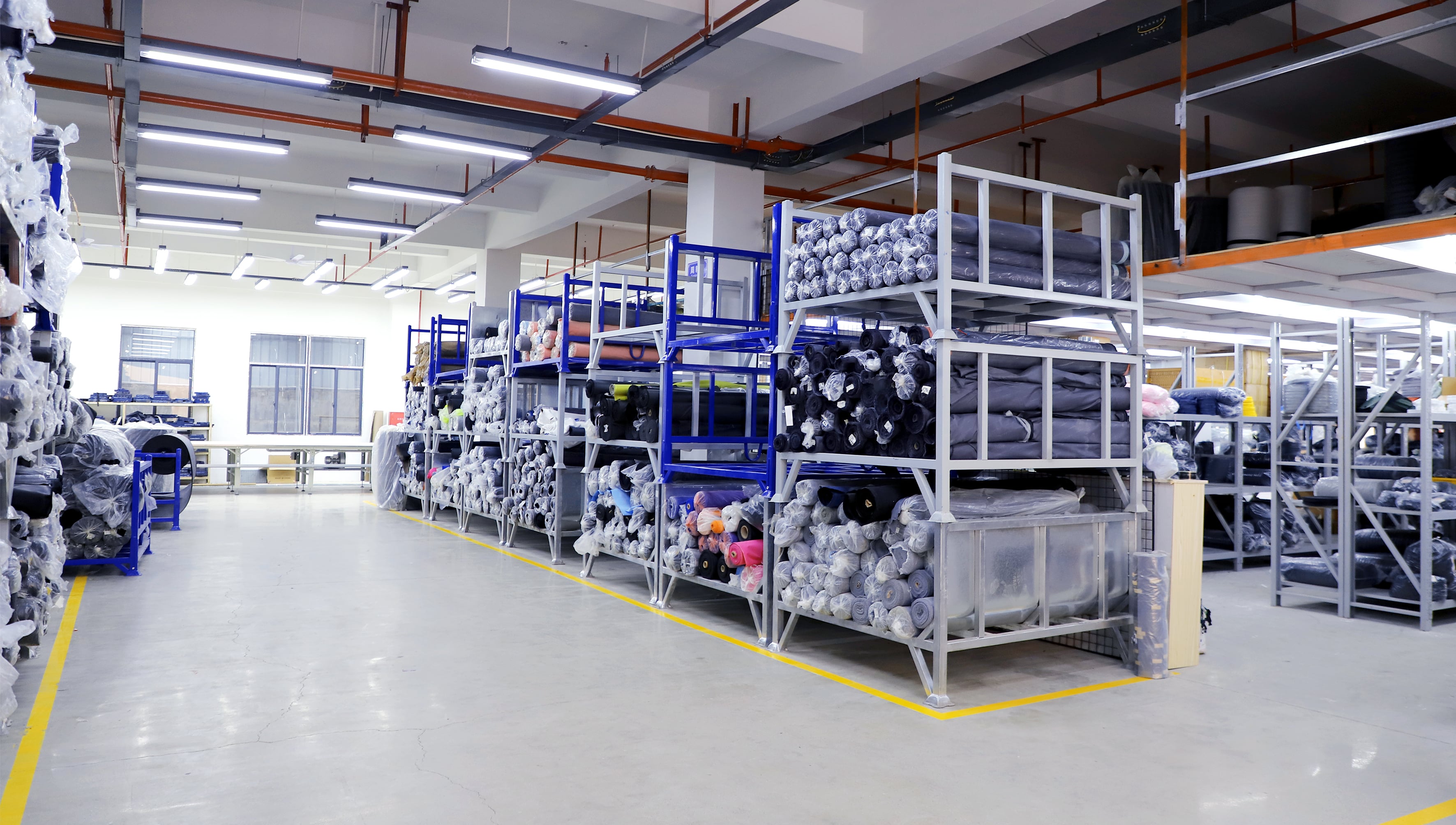
Compliance is the ticket to entry for developed economies. Regulations like REACH in the European Union and California Proposition 65 in the United States have turned chemical safety into a hard requirement. If your goods contain restricted phthalates or heavy metals, they will be seized at the border. Certified materials, backed by labs like SGS or Intertek, provide the necessary paper trail to clear customs without friction.
2. Traceability: The Core of Risk Mitigation
In the event of a quality or safety issue, the ability to trace a material back to its source is vital. Traceability allows for surgical recalls rather than broad, expensive market withdrawals. Buyers now demand a transparent chain of custody that proves materials are exactly what they claim to be. This level of transparency protects the importer from the fallout of "material swapping" that often plagues uncertified supply chains.
3. Reducing the Total Cost of Ownership (TCO)
While certified materials may carry a higher upfront cost, they significantly lower the Total Cost of Ownership (TCO). When you factor in the reduced risk of lawsuits, the avoidance of customs delays, and the higher durability of premium inputs, the "cheaper" uncertified option often becomes the most expensive mistake a buyer can make. By maintaining a robust network of certified suppliers, Quanzhou Tianqin Bag CO.,LTD helps clients optimize their TCO by ensuring that even tiered product lines maintain a baseline of compliance and safety.
4. Aligning with Global ESG Standards
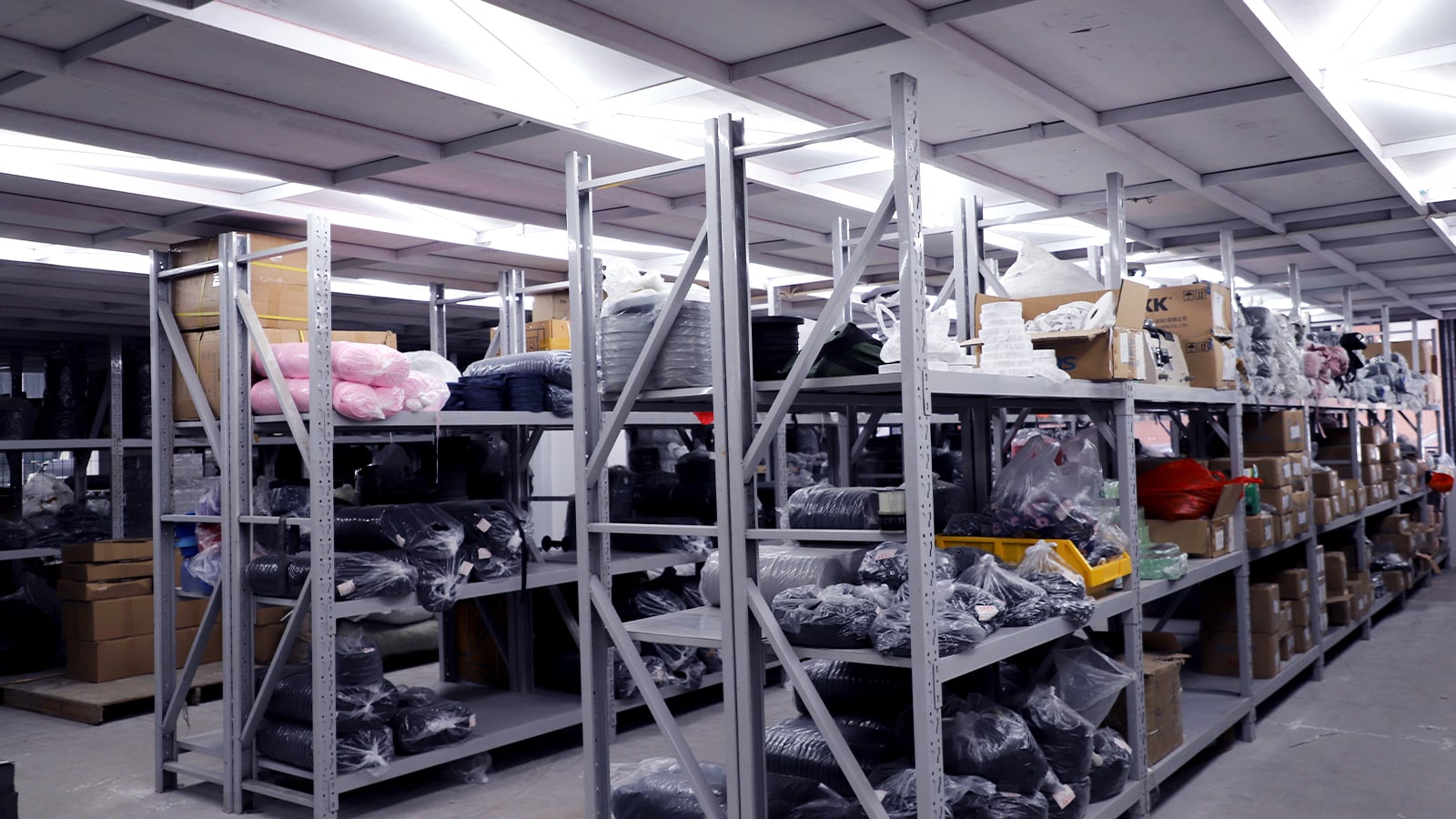
The modern consumer in the US and Australia is hyper-aware of sustainability. Brands are now measured by their Global Recycled Standard (GRS) or organic certifications. Manufacturers that proactively secure these certified materials move from being simple vendors to becoming strategic partners who help brands achieve their Environmental, Social, and Governance (ESG) goals in a transparent, verifiable way.
 Hot News


 EN
EN