 ×
×
The traditional "take-make-waste" model of manufacturing is being replaced by the principles of the circular economy. For the bag industry, this means moving toward a system where products are designed to stay in use for as long as possible and then return to the production cycle as raw materials. Implementing circular design is a complex but essential evolution for global brands.
1. Design for Longevity: The Foundation of Circularity
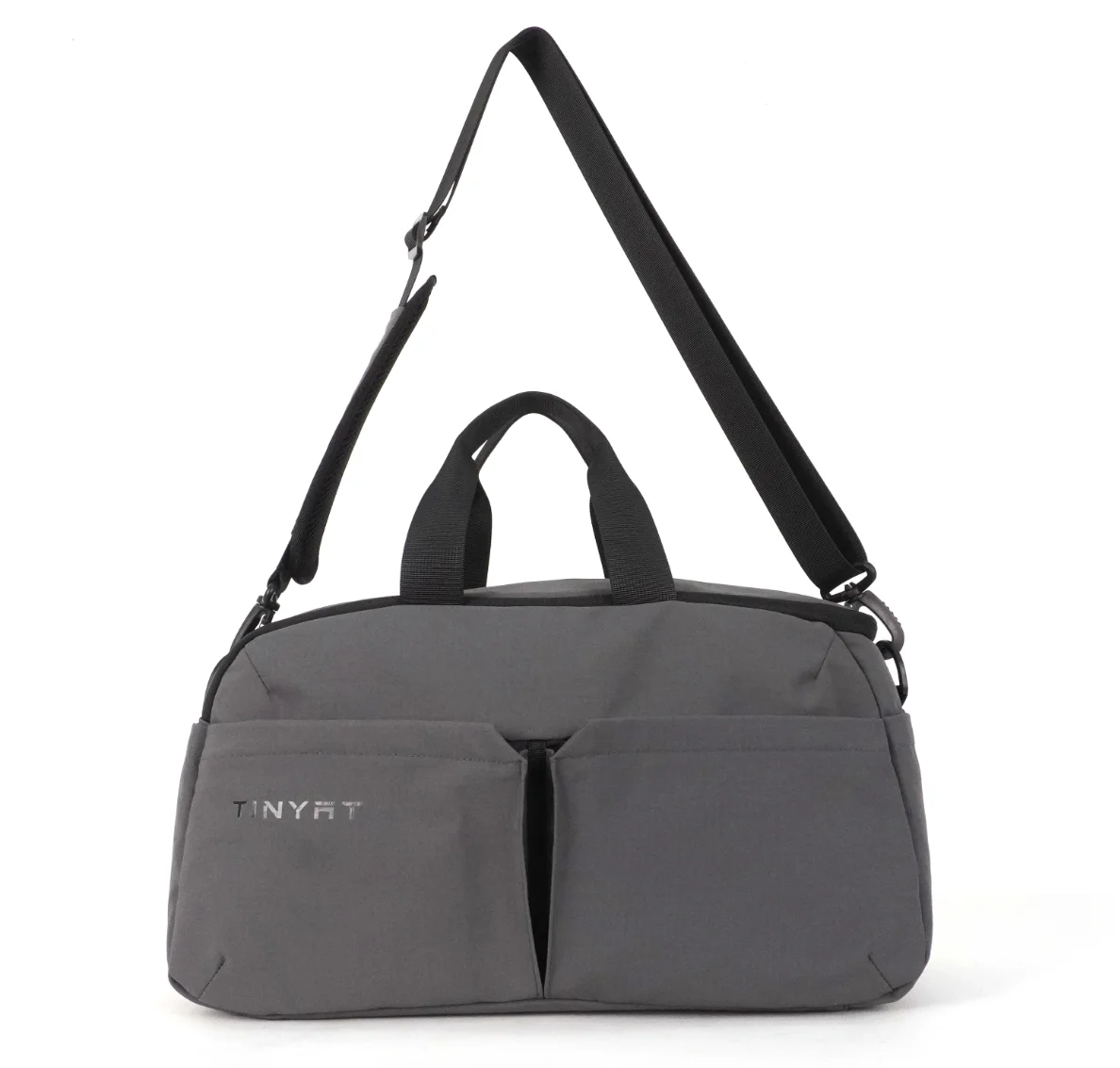
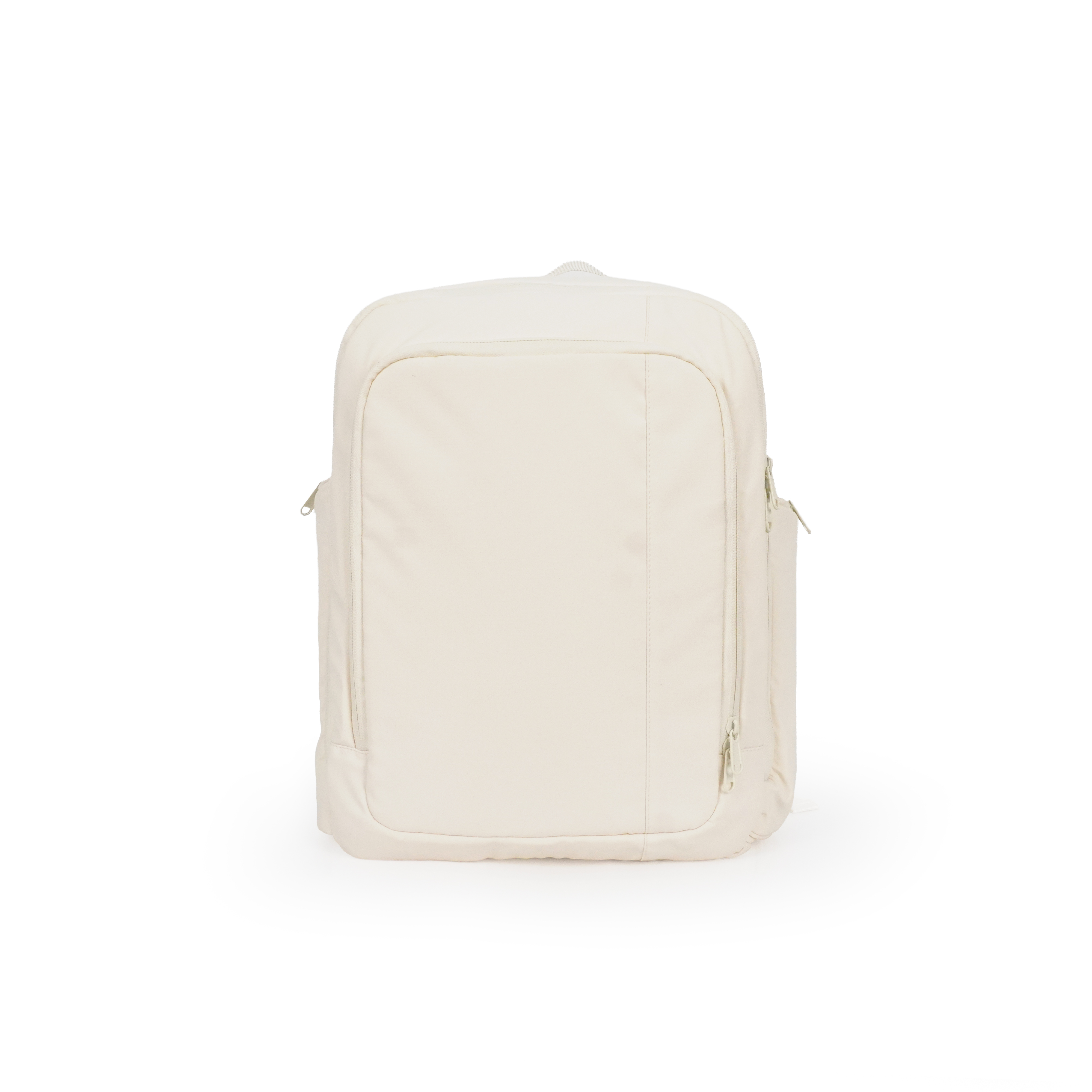
The most sustainable product is the one that doesn't need to be replaced. Circularity begins with material selection and construction techniques that prioritize extreme durability. High-tensile fabrics, reinforced stress points, and heavy-duty hardware are the building blocks of a long-lasting bag. By extending the product's lifecycle, brands reduce the overall environmental impact per use-cycle, offering a superior "value-over-time" proposition to the B2B buyer.
2. Engineering for Repairability
A key pillar of circularity is the ability to fix a product when it fails. Designing for repairability involves using standardized components—such as replaceable buckles, zippers, and straps—that can be easily serviced without compromising the bag's structural integrity. Manufacturers who provide spare parts and clear repair protocols empower brands to offer long-term warranties, further building trust and reducing the likelihood of products ending up in landfills.
3. Transitioning to Recyclability
Designing for the end-of-life stage requires a rethink of material composition. Using mono-materials (e.g., a bag made entirely from polyester variants, including the thread and hardware) significantly simplifies the recycling process. When complex assemblies are necessary, they should be designed for easy disassembly, allowing different materials to be separated and reprocessed efficiently. This forward-looking design philosophy ensures that today's bag becomes the raw material for tomorrow's production run.
4. Strategic Collaboration for a Circular Future
Building a circular supply chain is a collaborative journey. It requires a manufacturer that understands the technical nuances of sustainable design and is willing to invest in new processes. Quanzhou Tianqin Bag CO.,LTD works closely with our clients to optimize their designs for circularity, helping them navigate the transition from linear to circular models while maintaining the high performance and aesthetic standards expected by the US and EU markets.
 Hot News


 EN
EN