 ×
×
Carbon emissions have become a key metric in supplier evaluation. As major global brands commit to "Net-Zero" targets, the pressure to reduce the carbon footprint of the manufacturing process has moved down the supply chain. Reducing emissions in luggage and bag production requires a data-driven approach that addresses energy efficiency, material choices, and logistical optimization.
1. Energy Efficiency in the Production Facility
The manufacturing floor is the primary source of operational carbon emissions. Transitioning to energy-efficient machinery—such as servo-motor sewing machines and automated cutting systems—can significantly reduce energy consumption per unit. Furthermore, implementing smart factory management systems that optimize lighting and climate control further lowers the carbon intensity of the production process. For the B2B buyer, a factory's energy audit is a direct indicator of its commitment to environmental stewardship.
2. Lowering Embodied Carbon through Material Selection
Materials account for the majority of a bag's total carbon footprint. Transitioning from virgin synthetics to recycled variants (like rPET or recycled nylon) can reduce material-related emissions by up to 50%. Additionally, sourcing materials from mills that utilize renewable energy or low-impact dyeing processes further minimizes the embodied carbon of the final product. Manufacturers play a critical role in helping brands identify and source these low-carbon alternatives without sacrificing technical performance.
3. Logistical Optimization and Waste Reduction
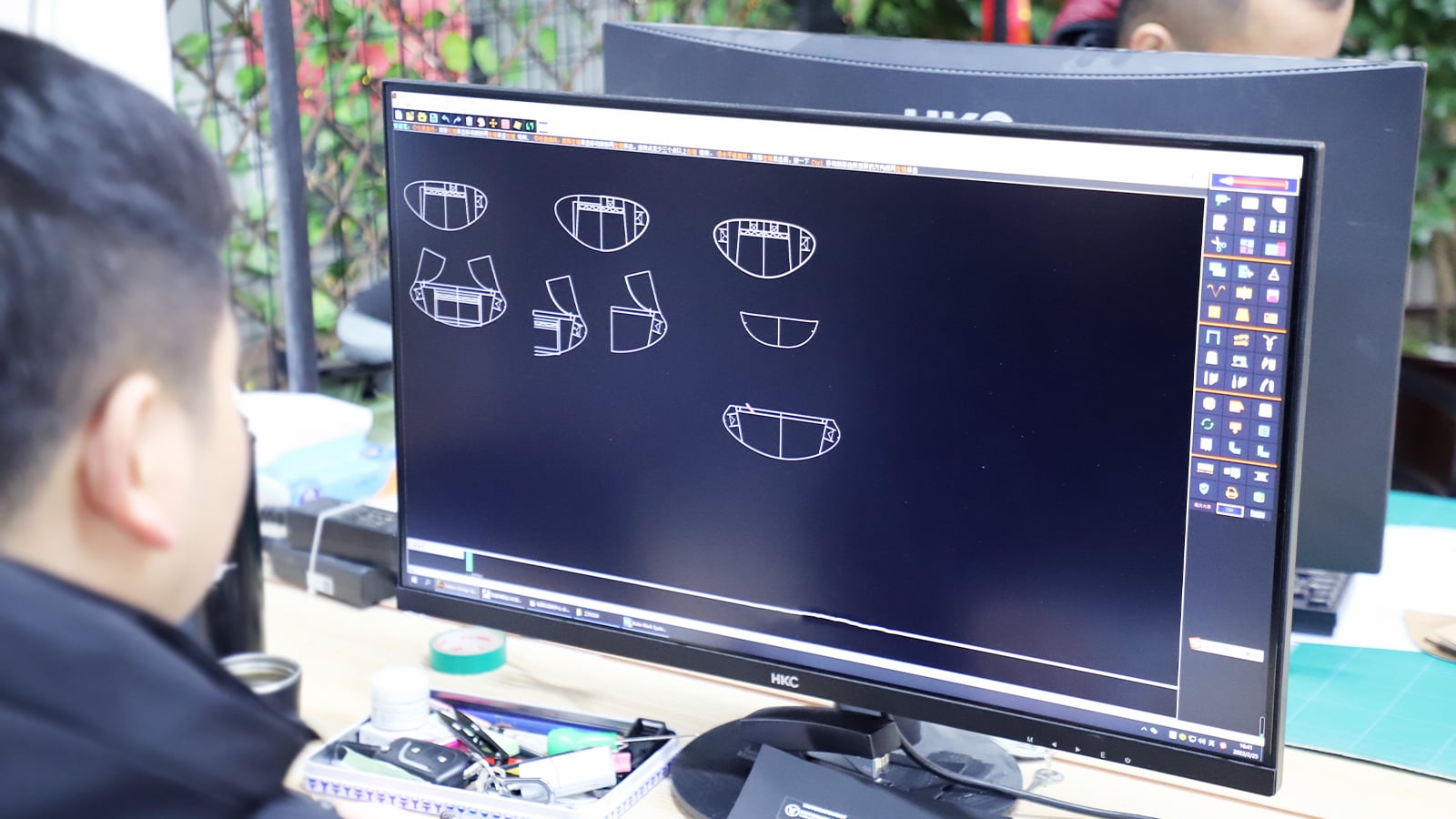
Logistics and waste management are often overlooked areas for carbon reduction. Optimizing pattern layouts through digital cutting technology minimizes fabric scrap, reducing the carbon footprint of wasted materials. Furthermore, consolidating shipments and utilizing eco-friendly packaging materials reduces the carbon intensity of the transport phase. These incremental gains, when aggregated across high-volume orders, result in a significant overall reduction in the product's environmental impact.
4. Transparency and Scope 3 Reporting
For B2B buyers, the ability to accurately report Scope 3 emissions is becoming a regulatory requirement. This requires a manufacturer that can provide granular data on energy use, material origin, and waste metrics. Quanzhou Tianqin Bag CO.,LTD is committed to this transparency, providing our partners with the data they need to track and report their progress toward carbon neutrality, ensuring that their supply chain is an asset, not a liability, in their sustainability journey.
 Hot News


 EN
EN