 ×
×
Sustainable packaging is no longer purely a brand positioning decision for laptop backpack importers targeting European markets. EU packaging regulations have evolved significantly, and several requirements that affect imported consumer products have either recently come into force or will in the near term.
Buyers who treat packaging as an afterthought — accepting whatever polybag and cardboard box the factory ships by default — are taking on compliance risk they may not have assessed.
The EU's Packaging and Packaging Waste Regulation (PPWR), which entered negotiation finalization in 2023-2024, introduces requirements including minimum recycled content in plastic packaging, restrictions on unnecessary packaging, and reusability requirements for certain packaging categories.
For laptop backpack importers, the most immediately relevant requirements are: minimum recycled content percentages in plastic packaging (polybags, inner bags), restrictions on single-use plastic packaging where reusable alternatives are available, and producer responsibility obligations for packaging waste.
The specific thresholds and timelines for PPWR implementation vary by packaging type and EU member state. Buyers should monitor EU regulatory updates and consult legal counsel for current requirements applicable to their specific products.
Switch from virgin plastic polybags to recycled-content polybags for individual bag protection. Recycled LDPE polybags (minimum 30% post-consumer recycled content) are widely available from packaging suppliers and provide equivalent protection to virgin plastic at comparable cost.
Eliminate unnecessary inner packaging. Laptop backpacks do not require tissue paper stuffing, foam inserts, or plastic form-maintaining inserts for distribution — these are retail packaging traditions that add material without function in B2B distribution channels.
Specify FSC (Forest Stewardship Council) certified cardboard for outer cartons. FSC certification verifies that the cardboard comes from responsibly managed forests. It is widely available, costs minimally more than non-certified alternatives, and provides documentation for corporate sustainability reporting.
Avoid PVC shrink wrap. PVC is increasingly restricted in European packaging applications. Request PE or PLA alternatives from your factory.
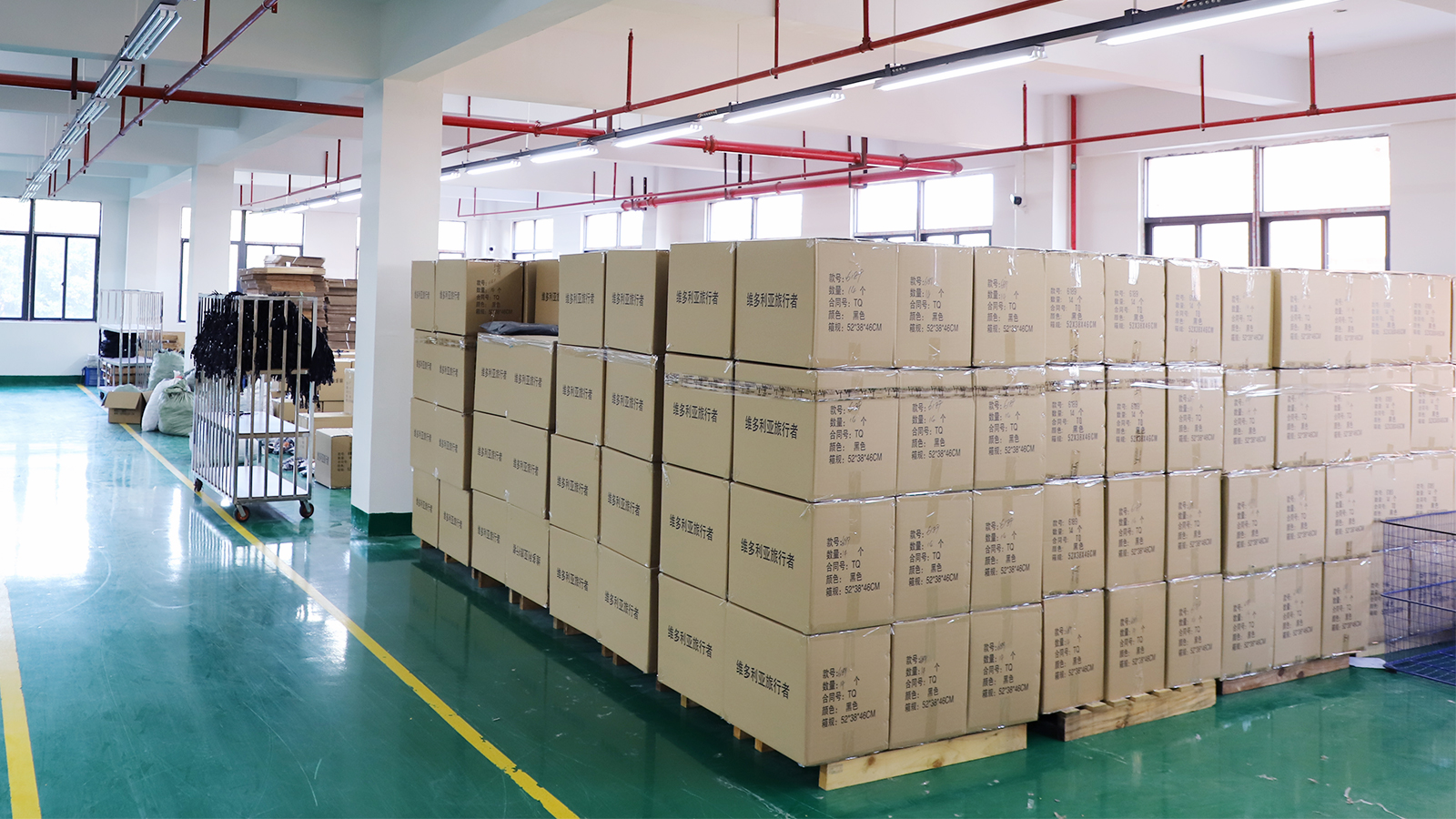
EU Extended Producer Responsibility (EPR) regulations require that companies placing products on the EU market contribute to the cost of collecting and recycling their product packaging at end-of-life. EPR requirements vary by EU member state — Germany, France, Austria, and Spain have implemented EPR schemes with registration and fee requirements.
Importers who are not registered with relevant EPR schemes in the markets where their products are sold are non-compliant, regardless of the packaging materials used. Registration requirements and fee structures change; stay current with market-specific requirements.
Include packaging specifications in your purchase order with the same specificity as product specifications: polybag material and minimum recycled content percentage, carton material and FSC certification requirement, inner packaging restrictions (no PVC, no non-recyclable plastics), and marking requirements for recyclability claims.
Request packaging material test reports and FSC certificates from your factory's packaging suppliers. These documents provide the paper trail for compliance reporting and market surveillance inquiries.
 Hot News


 EN
EN