 ×
×
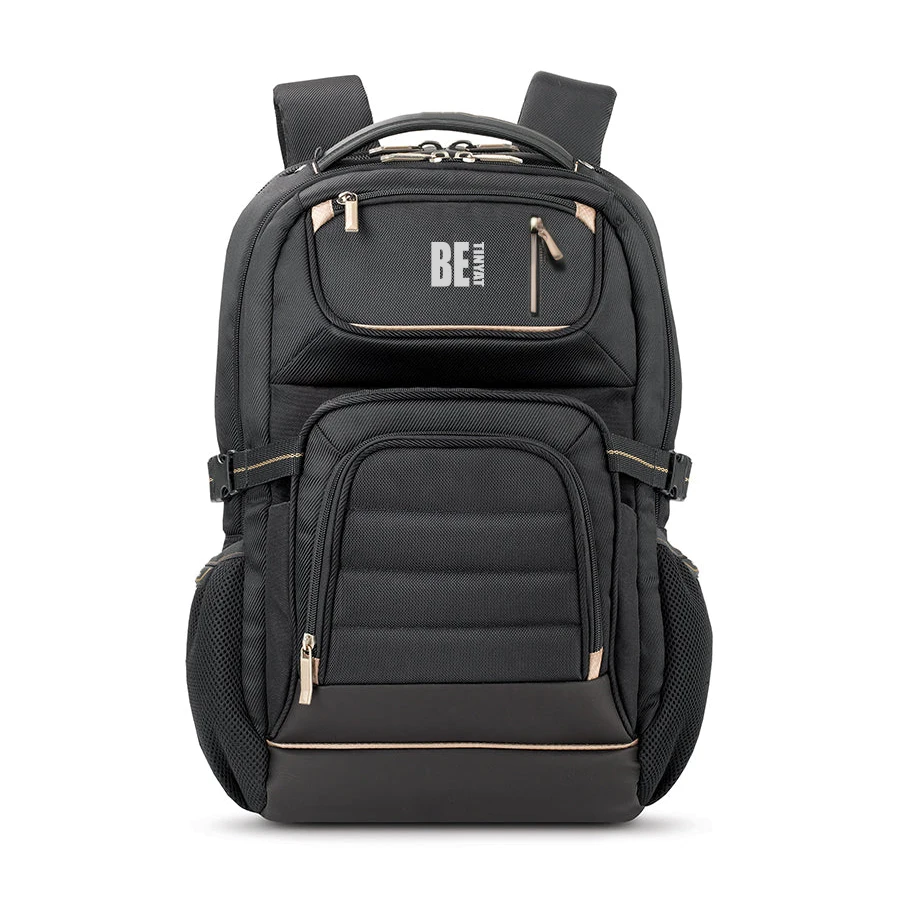
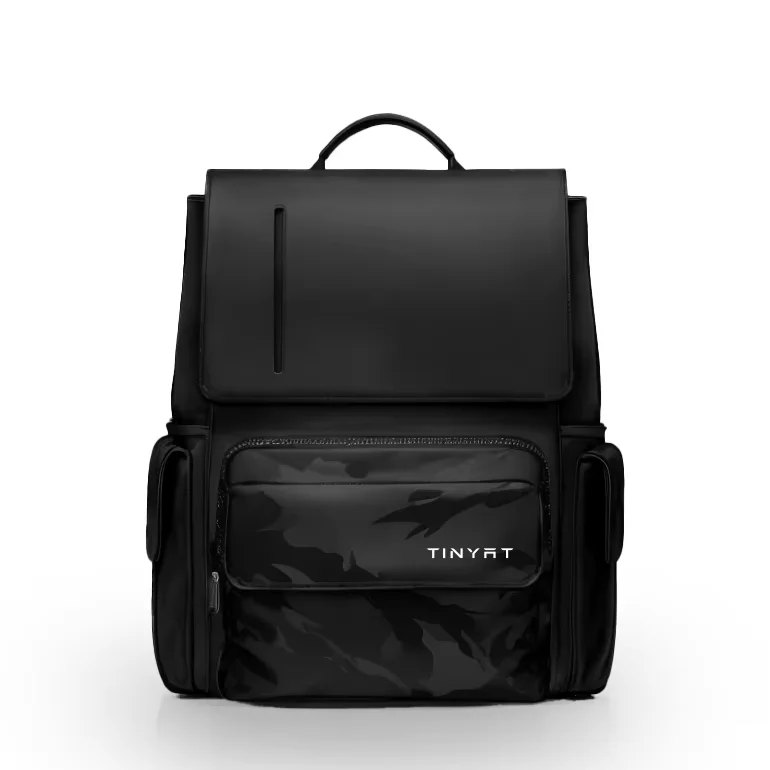
Private label laptop backpacks — manufactured to a buyer's specification and sold under the buyer's brand — compete in a crowded market where differentiation is difficult and commoditization pressure is constant. Amazon, electronics retailers, and specialty bag brands all compete in the same digital shelves.
The private label buyer who wins in this market is not the one who finds the cheapest factory. It is the one who develops a product specification that creates a reason to prefer their brand over the existing options at the same price point. That differentiation comes from specific, purposeful feature choices — not from general quality improvement.
The laptop backpack market is saturated with products that all claim the same generic features: water-resistant, organized pockets, padded laptop compartment, durable. These claims do not differentiate — they are table stakes.
Differentiation comes from specific features that address specific user frustrations that existing products do not solve:
Magnetic closure pockets: fast access to frequently used items without zipper fumbling. More convenient than zipper-only pockets for phone, security card, and keys access.
USB charging port with internal cable routing: widely available as a feature, but often poorly implemented (poor cable quality, incompatible port type). A USB-C pass-through with a high-quality braided internal cable is a genuine improvement on the generic version.
Weight-distributing hip belt: not available in most laptop backpacks in the $40–80 retail range. A removable hip belt that transfers load to the hips for loaded travel use is a feature that experienced travelers specifically seek and are willing to pay for.
In a market where most products look similar in photographs, construction quality is a differentiator that shows up in reviews — the primary purchase driver in online retail.
The construction details that appear in positive reviews: zipper smoothness (YKK vs. generic, noticeably different in use), seam straightness (visible in use photos that customers share), strap comfort on the first day of use (a key online review moment — buyers often review within 48 hours of receiving a product).
Specify YKK zippers, box-X strap attachment reinforcement at 10 SPI, and 50mm padded shoulder straps. These specifications cost $2–4 more per unit than generic alternatives and generate reviewable quality differences.
In online retail, the unboxing experience is a marketing event. Buyers who photograph or video their unboxing for review platforms give the product its most visible marketing moment — before it has been used.
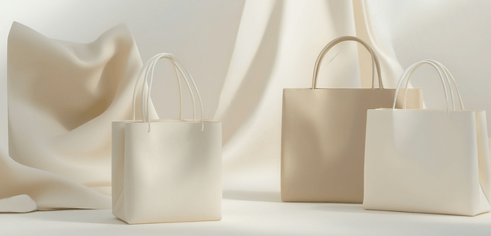
A laptop backpack that arrives in a structured box with a branded liner, neatly folded tissue paper, and a brief product card creates an unboxing moment that generic polybag-in-carton packaging does not.
The incremental cost of premium packaging ($1.50–3.00 per unit) is the most efficient marketing spend available in the product development budget — it directly influences the primary purchase driver (reviews) at the moment of highest reviewer engagement.
A private label laptop backpack positioned to win in the $50–90 online retail price point requires: one specific, genuinely useful feature not available in generic alternatives at the same price (USB-C pass-through, hip belt, specific organization system); YKK zippers on all compartments; 420D nylon or 600D polyester outer shell with DWR coating; 10mm foam padding at 30 kg/m³ in the laptop compartment; structured packaging that delivers an above-expectation unboxing experience.
The total cost premium over a generic alternative for this specification is approximately $4–7 per unit. The retail premium achievable is $10–20 over equivalent generic products — making the quality investment one of the highest-return decisions in the product development process.
 Hot News


 EN
EN