 ×
×
"Laptop backpack" describes two substantially different product categories that share a form factor but serve different use cases. A travel laptop backpack and a commuter laptop backpack have different capacity requirements, different security feature priorities, different organization systems, and different durability requirements.
Buyers who specify a single "laptop backpack" without distinguishing between travel and commute use cases receive a product optimized for neither — or a product optimized for whichever context the factory defaults to.
A commuter bag is used in a defined daily routine: home to transit to office and back. The load is consistent and predictable. The use environment is urban and primarily covered.
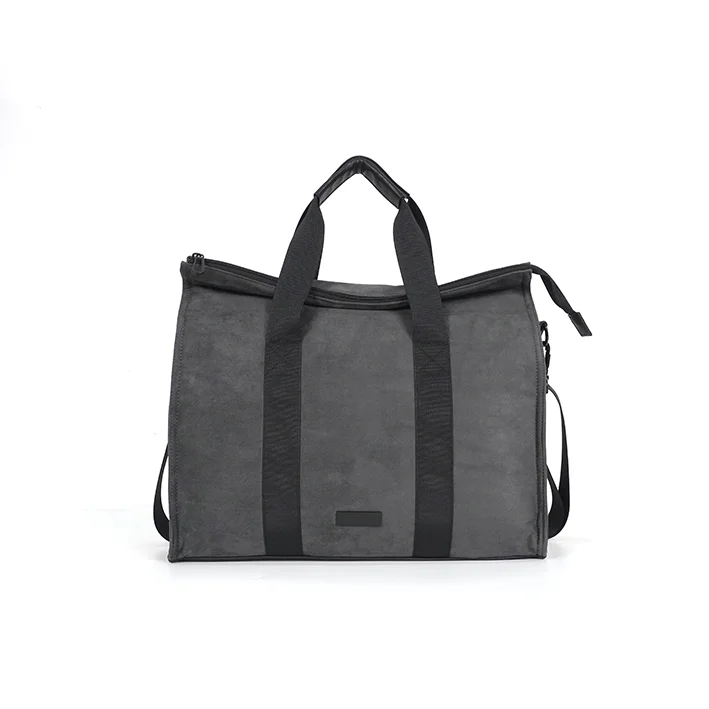
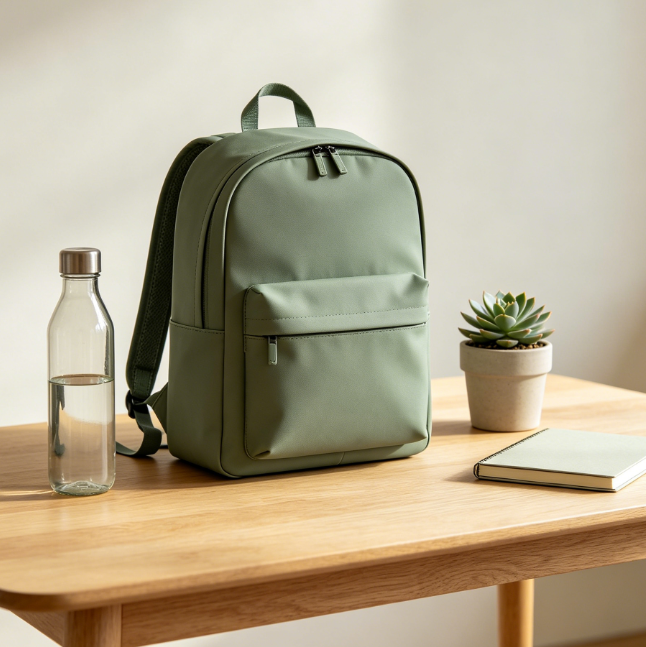
Commuter priority specifications: total capacity of 20–25L (enough for a laptop, lunch, documents, and daily essentials without overpacking), a single primary compartment with a dedicated laptop sleeve and organized front pocket, weather resistance for rain commuting (DWR outer coat minimum, covered zipper on laptop compartment), and a clean external profile that fits under desks and in overhead bins.
Lightweight is a commuter priority — a bag carried 30–60 minutes daily adds up in ergonomic impact. Keeping the empty bag weight below 800g is a meaningful spec for commuter products.
A travel bag carries more, goes further, and faces more variable conditions. The load is heavier and more diverse — clothing, toiletries, electronics, chargers, and documents alongside the laptop.
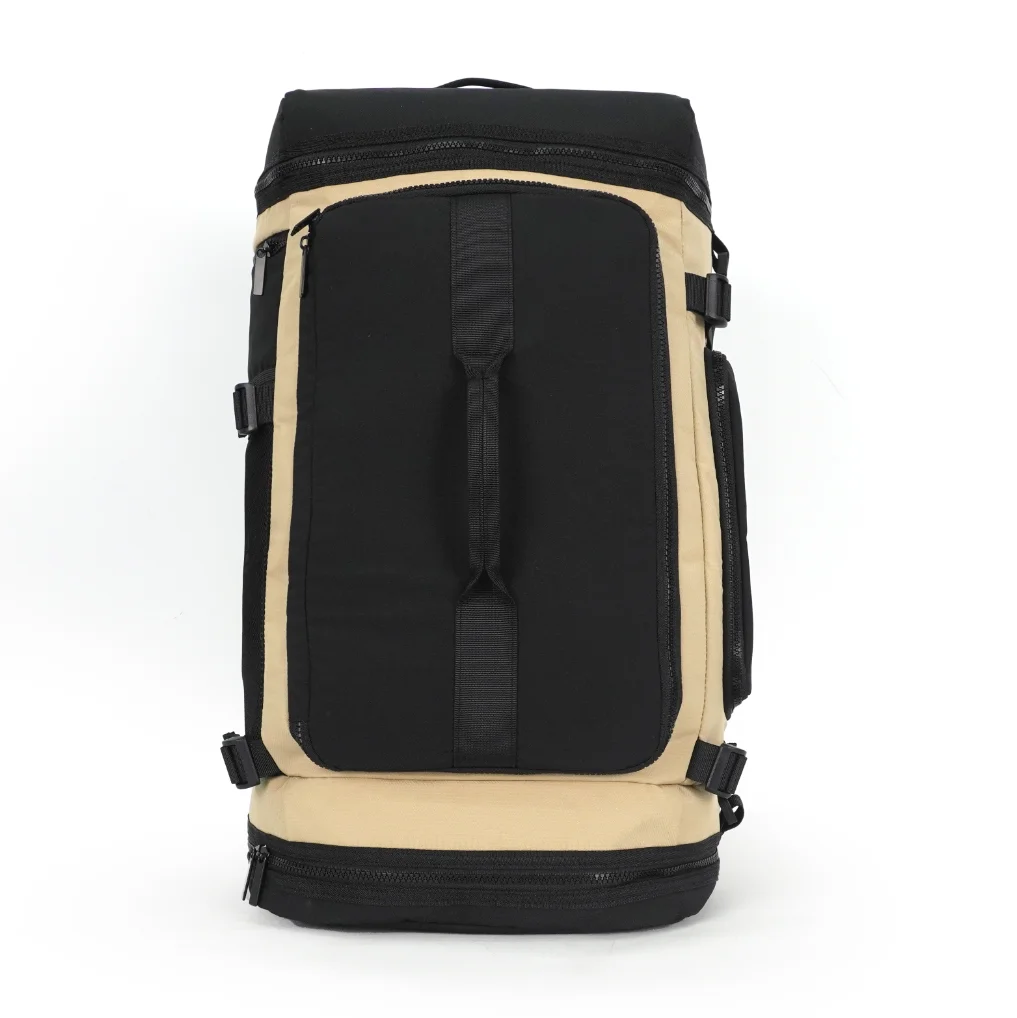
Travel priority specifications: capacity of 30–45L, clamshell or split-zip opening (allows full access to all compartments without unpacking everything), TSA-friendly laptop compartment that passes airport X-ray without removal, luggage pass-through sleeve for rolling suitcase attachment, anti-theft features (lockable zippers, RFID-blocking pocket), higher fabric denier for durability under travel conditions.
Airport security compliance is a travel-specific requirement. A laptop compartment that passes TSA "checkpoint-friendly" guidelines (opens flat to 180 degrees, laptop visible from both sides in X-ray) saves time and disruption for frequent travelers.
Shoulder strap ergonomics matter for both use cases but in different ways. Commuter bags need straps that are comfortable for sustained wear (padded, breathable, anti-slip surface). Travel bags need straps that are adjustable across a wide range to fit over different clothing thicknesses and to adapt the bag's carry position for different body postures during long-haul use.
Laptop protection specifications are identical: minimum 15-inch compartment, 10mm foam padding at 30+ kg/m³ density, floating compartment preferred. The laptop represents the highest-value item in either bag category and warrants equivalent protection regardless of use case.
The most useful question to answer before writing a laptop backpack specification is: where will this bag primarily be used, and by whom? A product designed for a marketing professional who commutes by subway five days a week has different requirements than a product designed for a sales manager who travels by air twice a month.
Specify for the dominant use case. Adding travel features to a commuter bag adds cost and weight without serving the primary use case. Adding commuter features (daily organization pockets, lightweight materials) to a travel bag produces a product that is neither fully functional as a travel bag nor optimally efficient as a commuter bag.
 Hot News


 EN
EN