 ×
×
"Lifetime warranty" is a marketing term that appears in laptop backpack product listings without a standardized definition. For a consumer buying a bag for personal use, a lifetime warranty is reassuring language that builds purchase confidence. For a B2B buyer sourcing bags for resale or corporate distribution, "lifetime warranty" from the factory is a claim that needs examination before being passed on to end users.
The central question: whose lifetime? The lifetime of the product (however that is defined), the original purchaser's lifetime, or the manufacturer's lifetime as a company (which for some factories is quite short)?
When a laptop backpack factory or brand uses "lifetime warranty," the actual coverage is usually: defects in materials and workmanship, evaluated and determined at the warranty provider's discretion, excluding normal wear and tear, user damage, and failures caused by overloading or misuse.
In practice, this means the warranty covers manufacturing defects — zipper failures within the first year that are clearly production-related, seam failures that are not caused by overloading, hardware failures that are not caused by misuse. It does not mean the bag will be replaced indefinitely for any reason.
For a Chinese factory offering a "lifetime warranty" to a B2B buyer: the warranty is only as durable as the factory's longevity and willingness to honor it. A factory that closes, restructures, or discontinues the product line has no practical obligation to honor past warranty commitments.
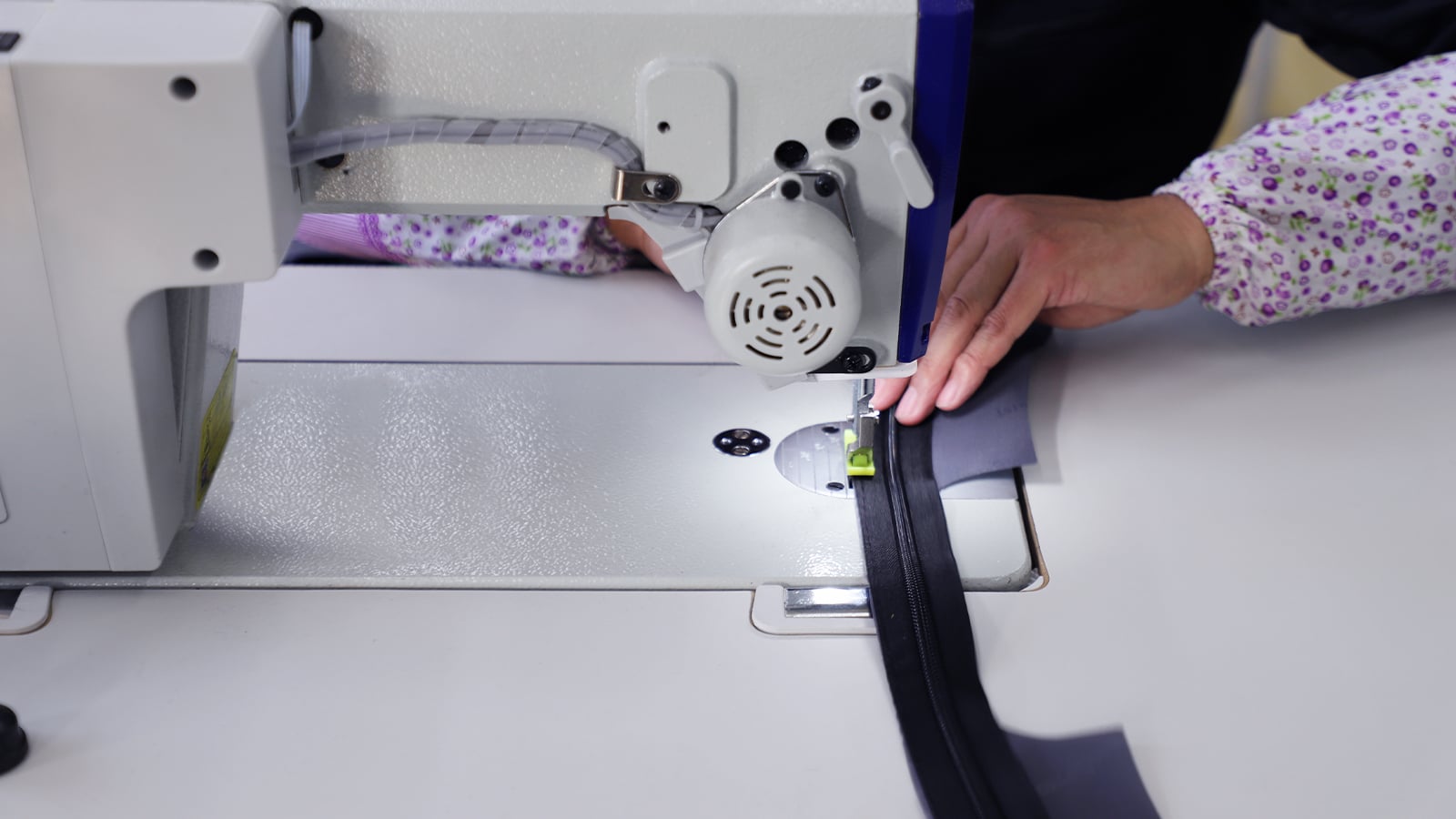
For B2B sourcing, a defined warranty period with specific coverage terms is more useful than a "lifetime" claim:
12-month comprehensive warranty: covers all material and workmanship defects without exclusions except deliberate damage. Standard for corporate gifting and promotional products.
24-month warranty: appropriate for products positioned as quality or premium in the corporate or retail market. Marketable to end users as a genuine differentiator.
36-month warranty with defined coverage exclusions: appropriate for field use products where durability is a primary marketing claim. The coverage exclusions should be specific (not "misuse" generically) and should exclude only genuinely inappropriate use cases.
A warranty is only as useful as the process for exercising it. For B2B buyers who will be managing warranty claims on behalf of their customers or employees, the warranty claim process must be defined before the product is distributed.
Require from your supplier: a defined warranty claim submission method (email, online form, or other), a committed response time (5 business days to acknowledge, 15 business days to resolve), a clear definition of what constitutes a warranty-covered defect versus user damage, and a defined remedy (replacement, repair, or refund at the supplier's option).
A warranty with no defined claim process is a marketing claim, not a commitment.
When distributing bags with warranty coverage to employees or customers, provide written warranty documentation that accurately represents the coverage available. Overstating warranty coverage creates liability — if a "lifetime warranty" is communicated to end users but the supplier will only honor a 12-month manufacturing defect warranty, the distributing organization holds the gap.
For corporate gifting programs: include a warranty card with the specific coverage terms, the warranty claim contact information, and the purchase date. This documentation reduces claim disputes and gives recipients confidence in the product's quality without creating coverage commitments the distributing organization cannot honor.
 Hot News


 EN
EN