 ×
×
The integration of charging ports into backpacks and commuter bags has become a standard feature for the tech-savvy professional. However, what appears to be a simple "pass-through" cable involves significant regulatory and safety considerations. For B2B buyers, sourcing "Smart Bags" requires careful attention to electrical compliance and material safety to avoid liability risks and port rejections. Ensuring that integrated USB ports meet global standards is a critical step in professional product development.
1. Voltage Stability and Circuit Protection
An integrated USB port is more than just a wire; it is a critical link between a high-capacity power bank and a sensitive electronic device. High-quality integrated cables are engineered with internal shielding to prevent electromagnetic interference (EMI) and are designed to handle 5V/2.4A or even fast-charging standards without overheating. Professional manufacturers use cables with built-in surge protection to ensure that a malfunction in the power source does not damage the user's smartphone or tablet.
2. Material Safety and Flame Retardancy
The components surrounding an integrated USB port must be made of flame-retardant materials. In the event of an electrical short, the housing and the immediate fabric area must resist ignition. Strategic buyers look for UL 94 V-0 or V-1 rated plastics for the port housing. This level of material safety is often a mandatory requirement for products sold in the US and EU markets, where fire safety standards for consumer electronics are strictly enforced.
3. Chemical Compliance: REACH and RoHS
Integrated electronics add another layer of chemical compliance to bag manufacturing. The cables and connectors must be RoHS (Restriction of Hazardous Substances) compliant, meaning they are free from lead, mercury, cadmium, and other toxic materials. For the EU market, they must also meet REACH standards. Manufacturers must provide separate lab reports for the electronic components to ensure that the entire bag—not just the fabric—is legally compliant.
4. Ergonomic and Weatherproof Integration
A USB port is a potential entry point for moisture and dust. Engineering a port with a retractable cover or a recessed design is essential for maintaining the bag's overall weather resistance. Additionally, the internal cable must be routed in a way that prevents it from being pinched or stressed during normal use. Using reinforced "strain relief" connectors at both ends of the cable ensures long-term durability and prevents the connection failures that lead to high return rates.
5. Verification of Technical Specifications
When sourcing bags with integrated tech, buyers must look beyond the marketing photos. It is essential to verify the actual gauge of the internal wiring (e.g., 24AWG for power) and the quality of the connectors. A high-quality manufacturer will provide a technical data sheet for the USB assembly, including maximum current ratings and MTBF (Mean Time Between Failures) data. This level of technical transparency is what separates professional gear from low-cost "smart" novelties.
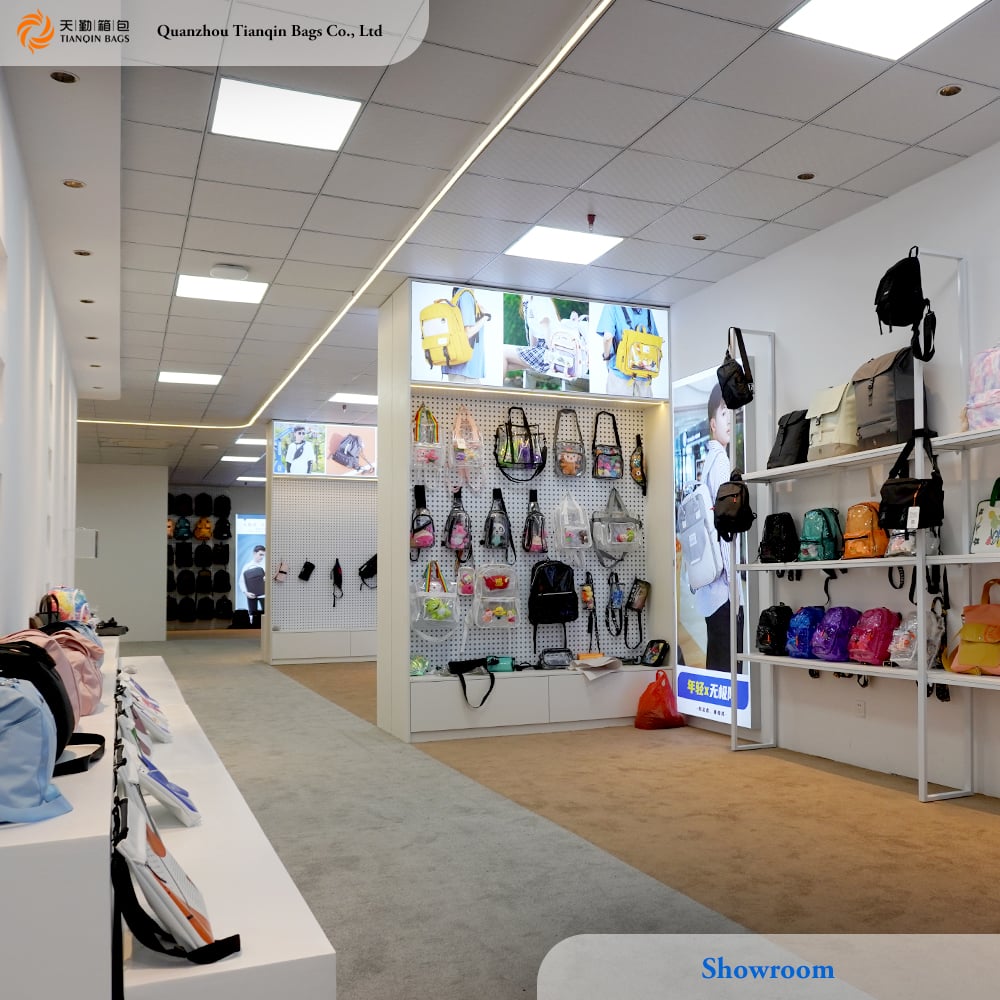
Quanzhou Tianqin Bag CO.,LTD ensures that every integrated USB port in our tech collections meets strict RoHS and electrical safety standards, providing reliable on-the-go power without compromising user safety.
 Hot News


 EN
EN