 ×
×
We, as professional manufacturers of B2B luggage, believe that a travel backpack is far more than a purchase; it is an investment in the future of travel for today's global traveler. While some materials such as 1680D ballistic nylon and TPU-coated fabrics are very durable, they need to be treated properly in order to ensure their long-term performance. For that reason, we have put together this maintenance guide with expert tips on how to properly care for and maintain your travel bag. By following these maintenance tips and techniques, you will be able to use your travel bag as effectively on its 100th trip as you did on the first!
The first step in maintenance is understanding what your bag is made of. Most high-end travel backpacks today utilize heavy-duty synthetic fibers designed for extreme abrasion resistance. Whether it is Cordura, X-Pac, or high-denier ballistic nylon, these materials are built to withstand the rigors of airport conveyor belts and tropical humidity.
However, the "Achilles heel" of any premium bag is usually the internal coating. Most water-resistant bags feature a Polyurethane (PU) or Thermoplastic Polyurethane (TPU) coating on the inside of the fabric. Over time, heat, moisture, and improper cleaning can cause these layers to "delaminate" or become sticky. Knowing how to preserve these chemical bonds is the difference between a bag that lasts three years and one that lasts thirty.
Many travelers tend to wash their backpack using a washing machine at home. As a bag manufacturer, we do not recommend doing this. A washing machine's mechanical agitation can damage the internal frame stays, weaken seams/stitching at high-stress locations and strip off important water-resistant coatings.
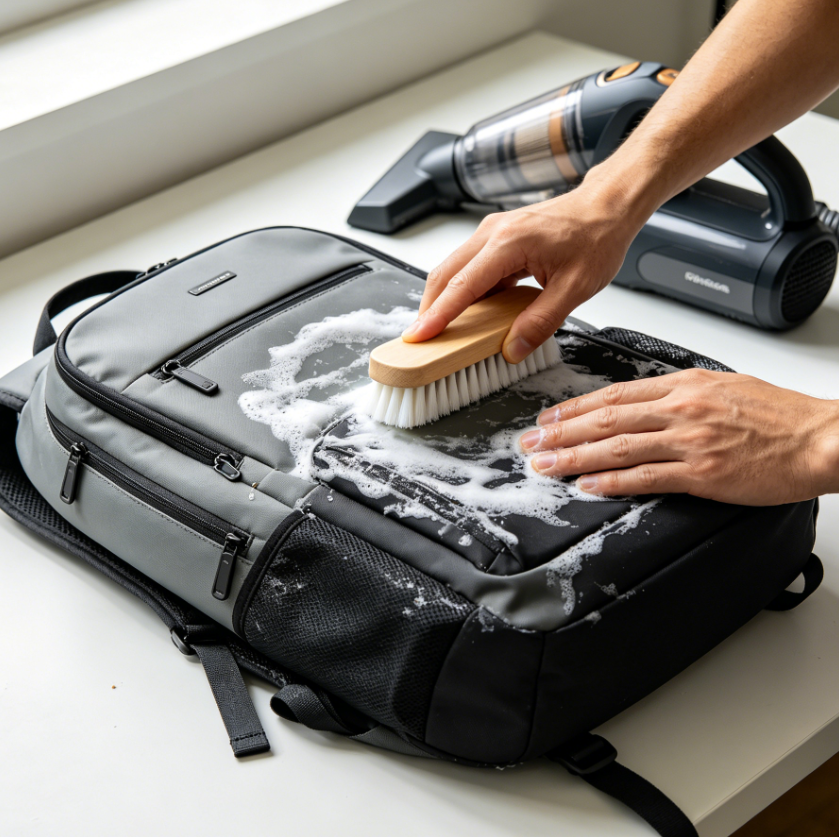
Your best option is to clean your bag manually with what we refer to as “spot cleaning.” With respect to the interior of your bag, you should vacuum each corner for sand, crumbs and any other fibrous debris that may accumulate in the seams. For the exterior, you should use a soft nylon brush or a microfiber cloth and warm water mixed with a neutral pH, no detergent soap. Most harsh detergents include surfactants or chemicals that could destroy/disintegrate the DWR finish on the fabric surface.
If your backpack has encountered saltwater or was immersed in very muddy water, you may place the backpack into a bathtub with water at or below room temperature and perform a gentle hand agitation, ensuring that you will be washing away the damaging salt crystals very quickly. The salt crystals are abrasive in nature and can easily act like a knife (cutting between the fibers of your shoulder straps and the mesh back panel) as they work their way into these areas over time.
All travel comes with its own "natural law”—that your backpack's DWR coating eventually gets used up or ruined, especially in areas where there is high friction, like the bottom of your bag and the top lid of your bag. You’ll start to notice you're losing your DWR coating if the water no longer "beads" and rolls off the backpack’s fabric, and the fabric starts to absorb water making the backpack heavy and damp.
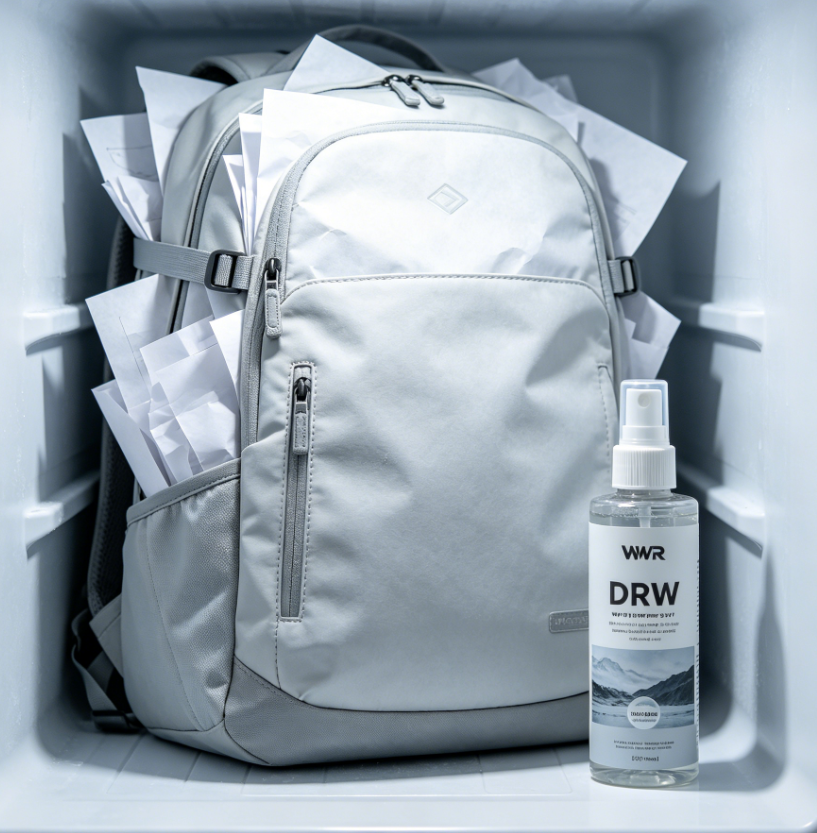
Fixing the DWR coating on your bag is actually quite easy, but it's important! After washing your bag, let it completely dry, then spray a DWR water repellent solution that has been specifically designed for use on backpacks (ideally using eco-friendly fluorocarbon-free products). While hanging, apply an even coat over the entire bag and let it cure for at least 24 hours before using again. This will protect your other gear from getting wet and will also protect against stains and dirt so your bag always looks brand new.
Your zippers are the most common failure point for your bag. Dust, salt and grime build up on zipper teeth. This can cause them to misalign or break. To keep your zippers functioning properly, you should also wipe the zipper tracks with a damp cloth from time to time.
For bags that you use at the beach or ocean, we recommend using a zipper lubricant made specifically for zippers (usually a wax-based stick). This will help keep the zipper working smoothly and prevent corrosion. You should also perform a visual inspection of the Duraflex or YKK plastic buckles that hold your bag together. If you see any signs of stress on the buckles, i.e., 'whitening,' you should replace them immediately as there could be a dangerous failure as you are far from home.
The damage to a backpack often happens between trips. Never store a backpack while it is even slightly damp. Mold and mildew can ruin a high-end pack in a matter of weeks, eating through the fabric coatings and leaving a permanent odor.
Store your pack in a cool, dry place away from direct sunlight. UV rays are the enemy of synthetic fibers, causing them to become brittle and lose their vibrant color. If possible, stuff the bag lightly with acid-free paper to help it retain its professional, structured shape, and avoid hanging it by the grab handle for months at a time, as this can unnecessarily stretch the suspension system.
By following these professional maintenance steps, you transition from being a consumer to a steward of high-quality gear. As a B2B supplier, we take pride in the craftsmanship of our bags, but their ultimate longevity lies in your hands. A well-maintained backpack is more than just luggage—it is a companion that carries your stories across the globe for decades to come.
 Hot News


 EN
EN