 ×
×
Not sure how to evaluate a bag sample from your manufacturer? Use this practical 10-point checklist to catch quality issues before production begins.
────────────────────────────────────────────────────────────
The sample arrives. You open the package. It looks like a backpack. Feels like one too. So you approve it.
Six weeks later, 500 bags land in your warehouse with straps that fray after a week and zippers that snag on the third use. The problems were there in the sample. You just did not know what to look for.
Evaluating a bag sample is a skill. Here is a checklist that makes it systematic.
────────────────────────────────────────────────────────────
Good backpacks have 7-10 stitches per inch. Less than that and seams will split under weight. Check every seam — especially stress points where straps meet the body, the bottom panel corners, and zipper attachments. Pull hard on the stitching. It should not gap or snap.
Sounds obsessive. It is not. A bad zipper fails fast, and a backpack with a broken zipper is trash. Run every zipper open and closed repeatedly. Listen for grinding. Feel for snags. A smooth, quiet zipper run means good hardware.
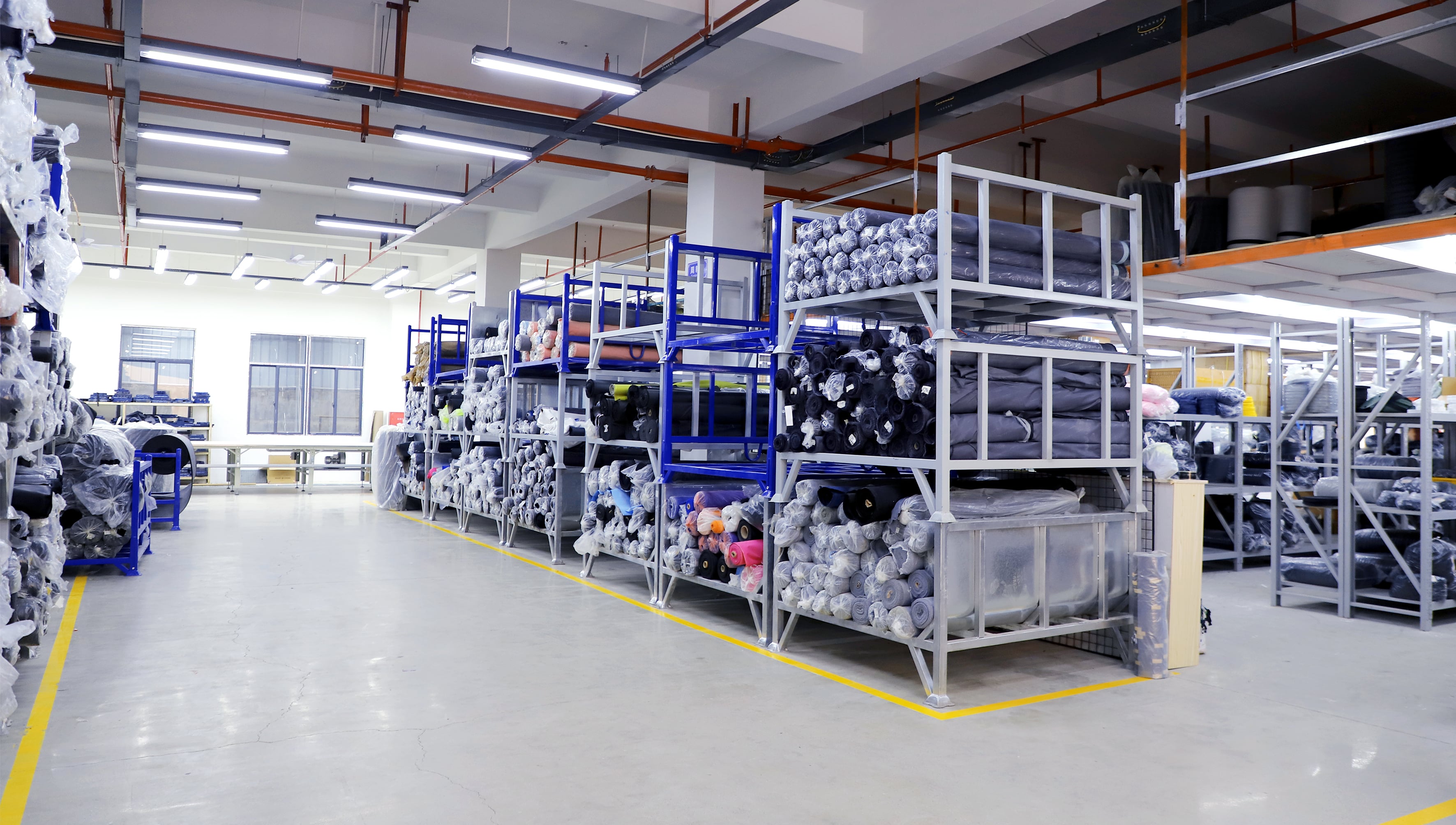
Rub the fabric between your fingers. Does it feel substantial or thin? Scrunch it — does it recover its shape or stay wrinkled? Pour a few drops of water on it if it claims to be waterproof. A manufacturer like Quanzhou Tianqin Bag Co., Ltd. provides a material specification sheet with every sample, listing the exact fabric weight, composition, and coating — so you are not guessing whether the production run will use the same materials.
Fill the bag with the weight it is designed to carry. Wear it for 10 minutes. Do the straps dig in? Does the padding compress to nothing? Are the strap adjusters smooth or do they jam? Comfort problems only show up when the bag is loaded.
Measure the logo position from multiple reference points. Is it centered? Is it level? Check the print or embroidery quality under good light. Look for loose threads, uneven edges, or ink that already shows signs of wear.
Open every pocket. Check the lining seams. Feel inside corners for rough edges or loose threads. A factory that finishes interior details cleanly is a factory that takes pride in its work. One that hides sloppy interiors is cutting corners everywhere.
Plastic hardware should feel solid, not flimsy. Metal hardware should not have sharp edges. Every clip should click firmly closed and stay closed when you pull on it. Every strap adjuster should hold tension without slipping.
Compare the sample to your approved Pantone or color reference under daylight — not under warm office lights that shift everything yellow. If the color is off, do not accept "it will be fixed in production." It will not.
Weigh the sample. If your spec called for 600 grams and the sample weighs 450, the factory used lighter materials than agreed. Weight discrepancies almost always mean material substitution.
A professional sample comes with a spec sheet listing materials, dimensions, and tolerances. If your sample arrives with nothing but a bag in a box, the manufacturer is not serious about quality control.
────────────────────────────────────────────────────────────
A thorough sample inspection takes 30 minutes. A bad production run costs months of sales and your brand reputation. The math is simple.
*TINYAT provides detailed material spec sheets with every sample, plus 3D digital prototypes before physical sampling. 18 years of manufacturing for brands worldwide. Request a sample for your next project.*
 Hot News


 EN
EN