 ×
×
Designing custom logo backpacks? Avoid the most common mistakes with these 7 practical design tips that turn your branded bags into products people want to carry.
────────────────────────────────────────────────────────────
A custom logo backpack seems simple: pick a bag, add your logo, done. But spend five minutes looking at branded backpacks in the real world and you will notice something. Some get used daily. Others gather dust in a closet.
The difference comes down to design decisions most people never think about. Here are seven that matter.
────────────────────────────────────────────────────────────
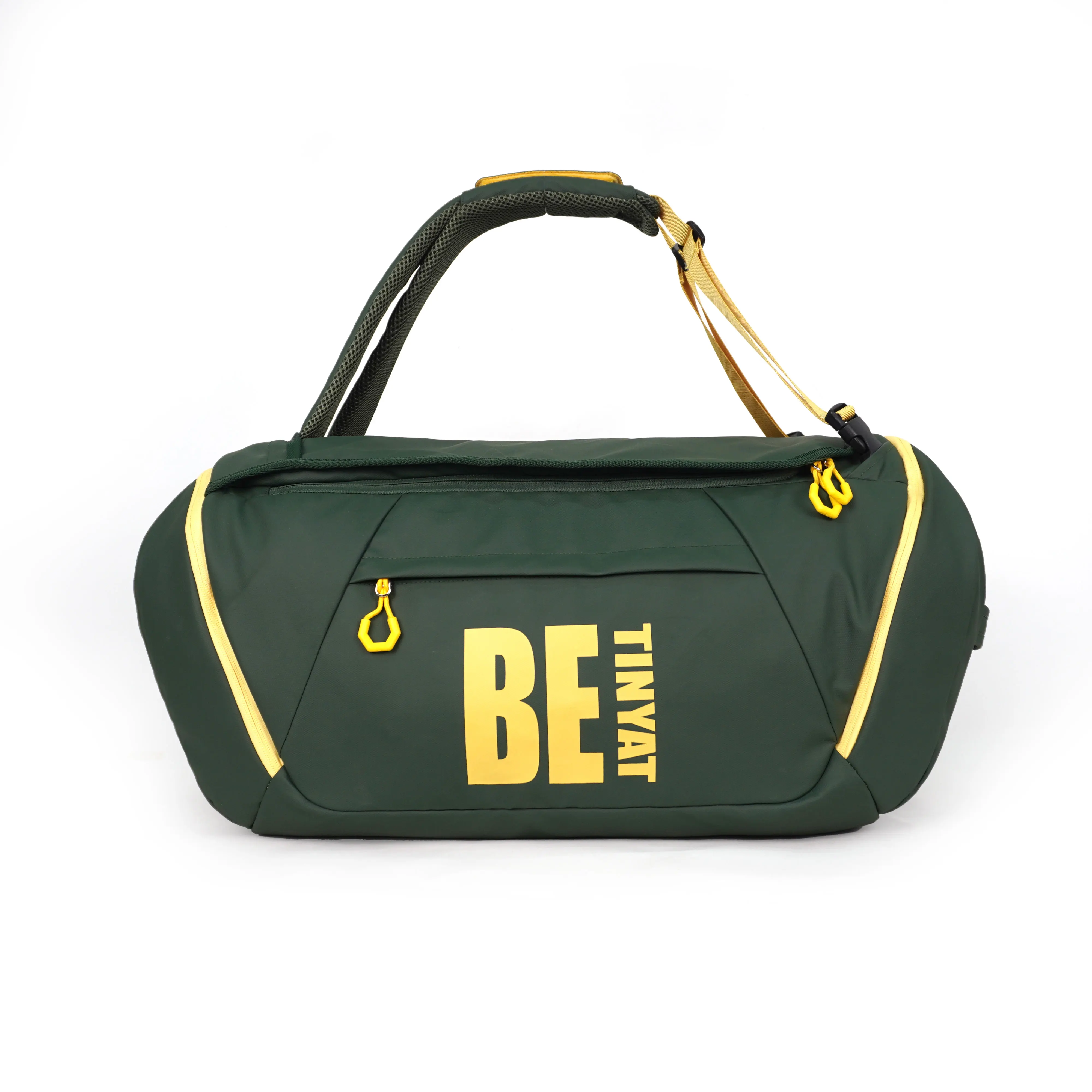
The most common mistake brands make is treating their backpack like a billboard. A massive logo across the entire back panel might feel bold in a design meeting, but in the real world, people do not want to be walking advertisements.
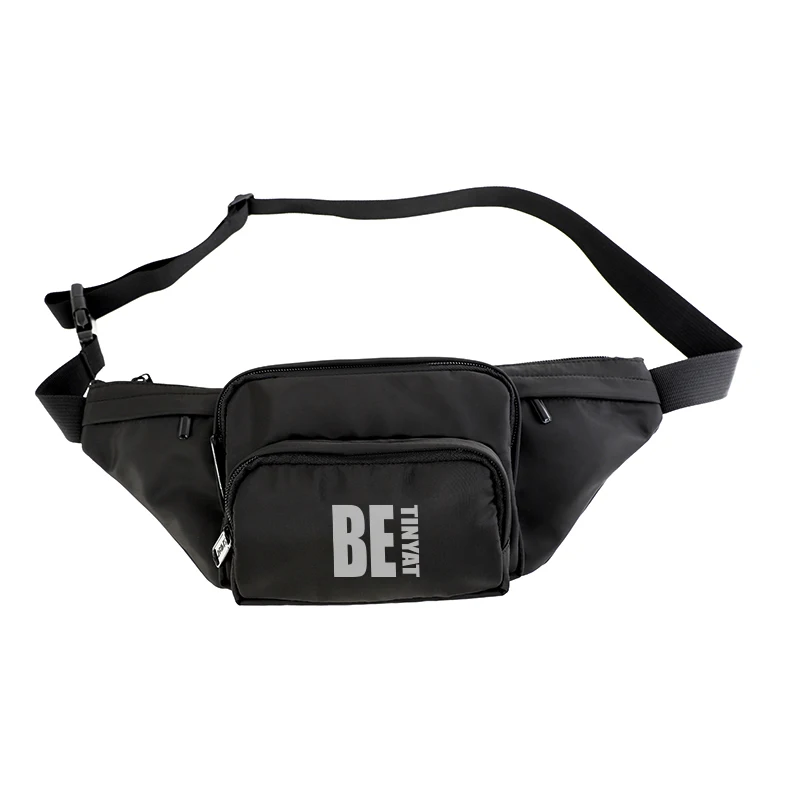
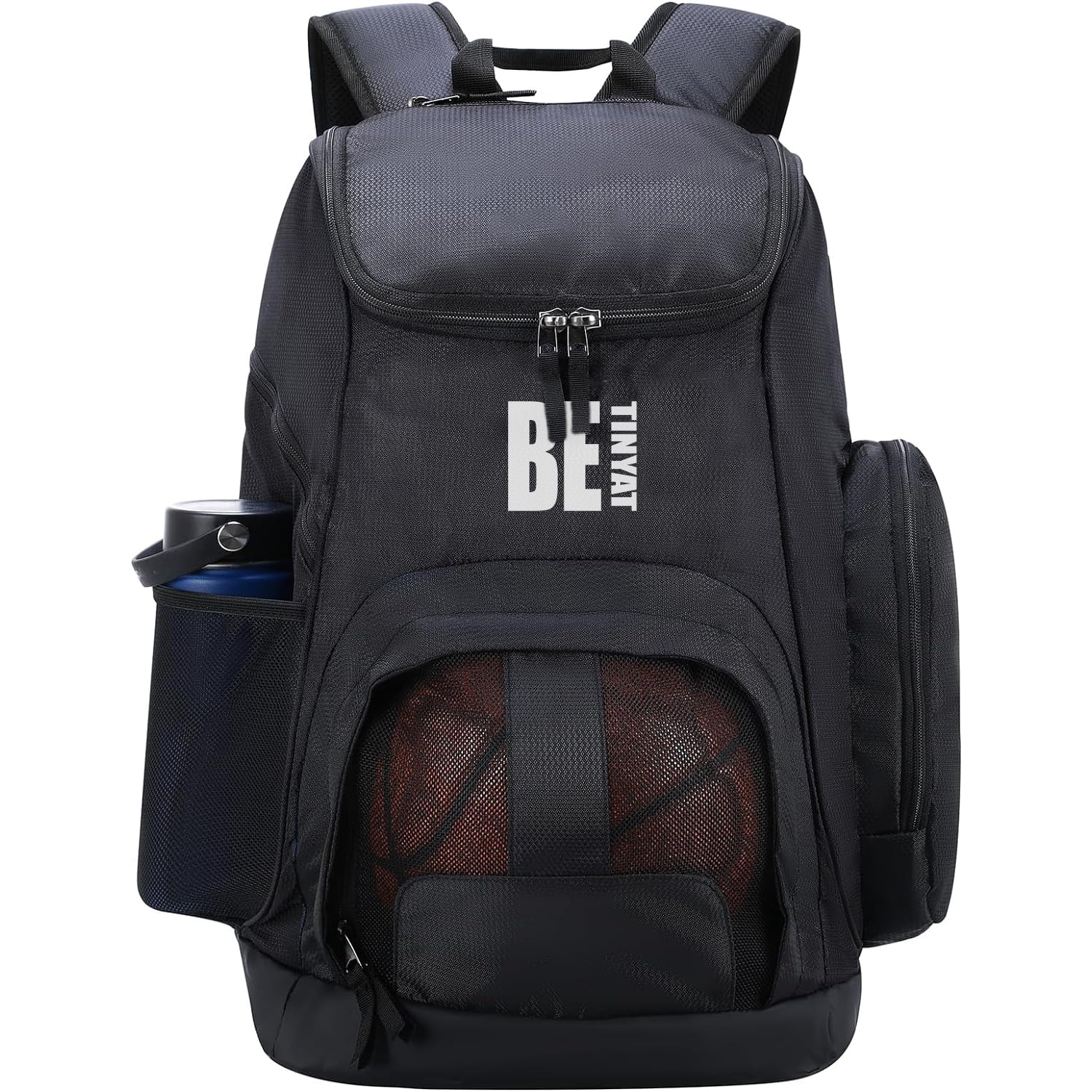
A logo that is 5-8 cm wide on the front pocket or centered on the top panel reads as "nice brand detail." A logo that takes up half the bag reads as "corporate giveaway nobody wants." If your customers would hesitate to carry your bag in public, the logo is too big.
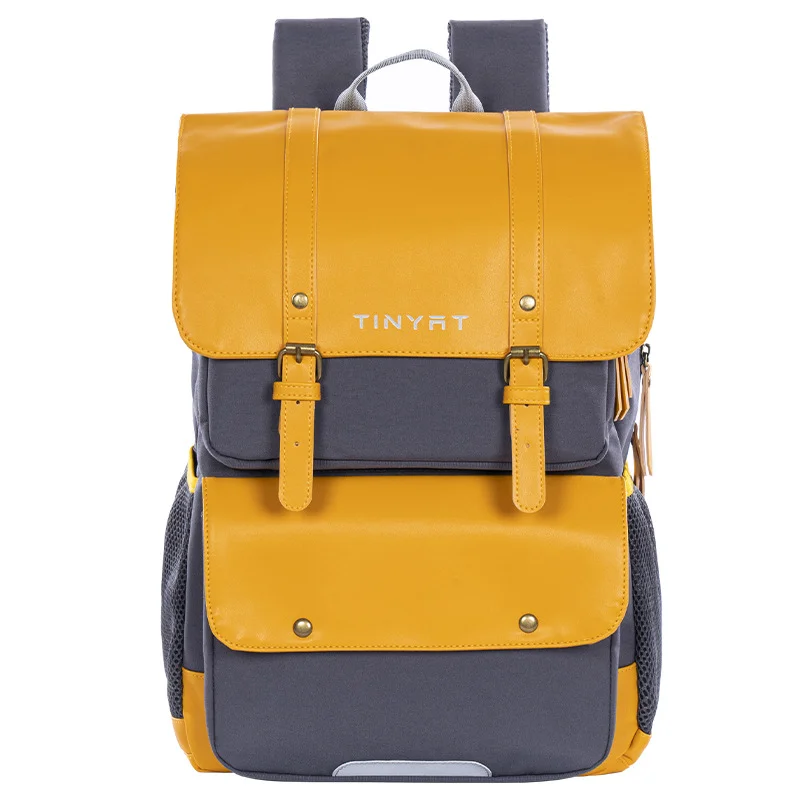
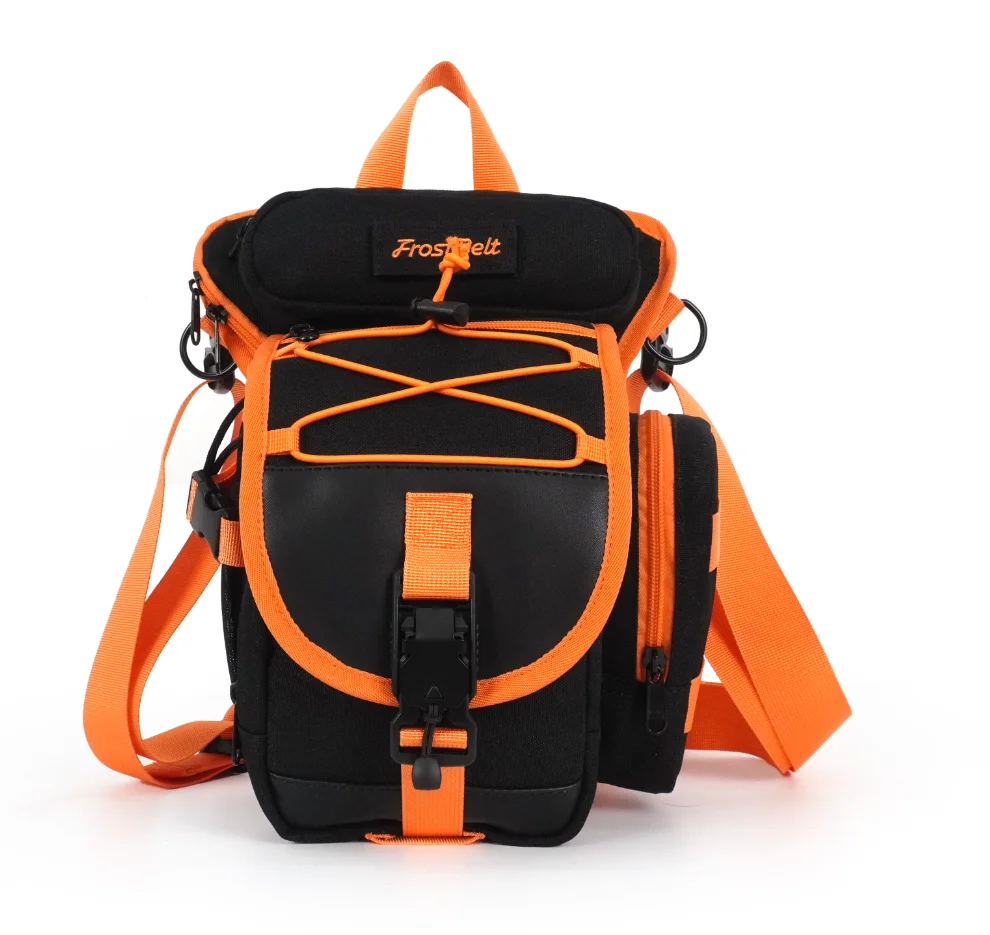
Front and center is the default, but it is not the only option. Some of the most effective branded backpacks put the logo on the shoulder strap, on a small label tab near the side pocket, embossed into the fabric itself (no print, just texture), or on the interior lining where it surprises the user every time they open the bag.
Screen printing works on flat surfaces and is cost-effective for large runs. Embroidery looks premium on thicker fabrics. Rubber patches add dimension. Debossing works beautifully on leather and PU leather. Quanzhou Tianqin Bag Co., Ltd. offers all of these methods and provides sample swatches of each before full production, so brands can see and feel how their logo translates to fabric — not just guess from a digital mockup.
A glossy, colorful logo on a rugged outdoor backpack looks wrong. A distressed vintage print on a sleek business laptop bag looks wrong too. Your logo application should feel like it belongs on the bag, not like it was stamped on as an afterthought.
A dark logo on a dark bag disappears. A white logo on a light bag vanishes too. The fix is contrast — but also subtlety. Tone-on-tone (a matte black logo on a glossy black fabric, for example) can look far more premium than a high-contrast print.
Screen-printed logos crack after months of use. Embroidery can snag. Rubber patches can peel at the edges. Ask your manufacturer about durability testing for each method. A good factory will have data on wash tests, abrasion resistance, and UV fading.
A clean bag with a small, well-placed logo sells better than a cluttered bag with logos, slogans, and graphics fighting for attention. When in doubt, take one element off. The best branded backpacks are the ones people carry because they like the bag — and the logo just happens to be there.
────────────────────────────────────────────────────────────
Your logo on a backpack is a statement about your brand. Make it a statement people are happy to carry around all day.
*Need custom logo backpacks for your brand? TINYAT offers screen printing, embroidery, debossing, rubber patches, and more — with sample swatches provided before production. 18 years of OEM experience. Contact us for a quote.*
 Hot News


 EN
EN