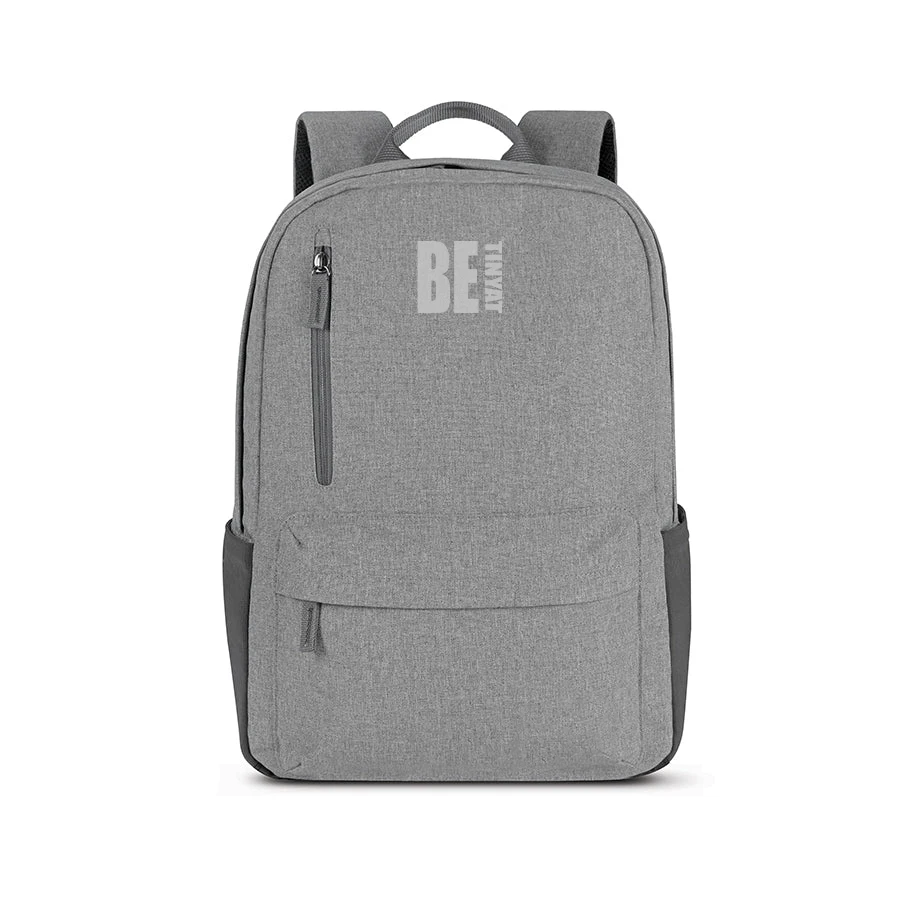
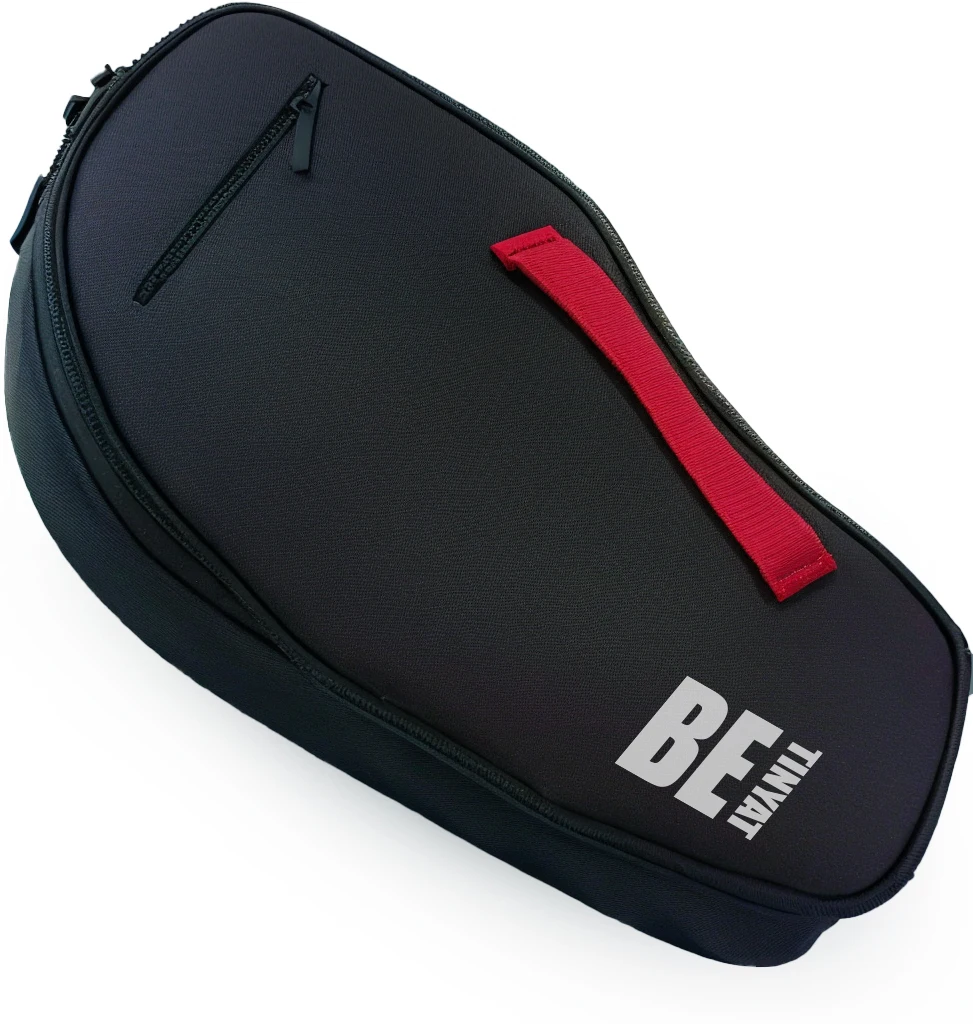
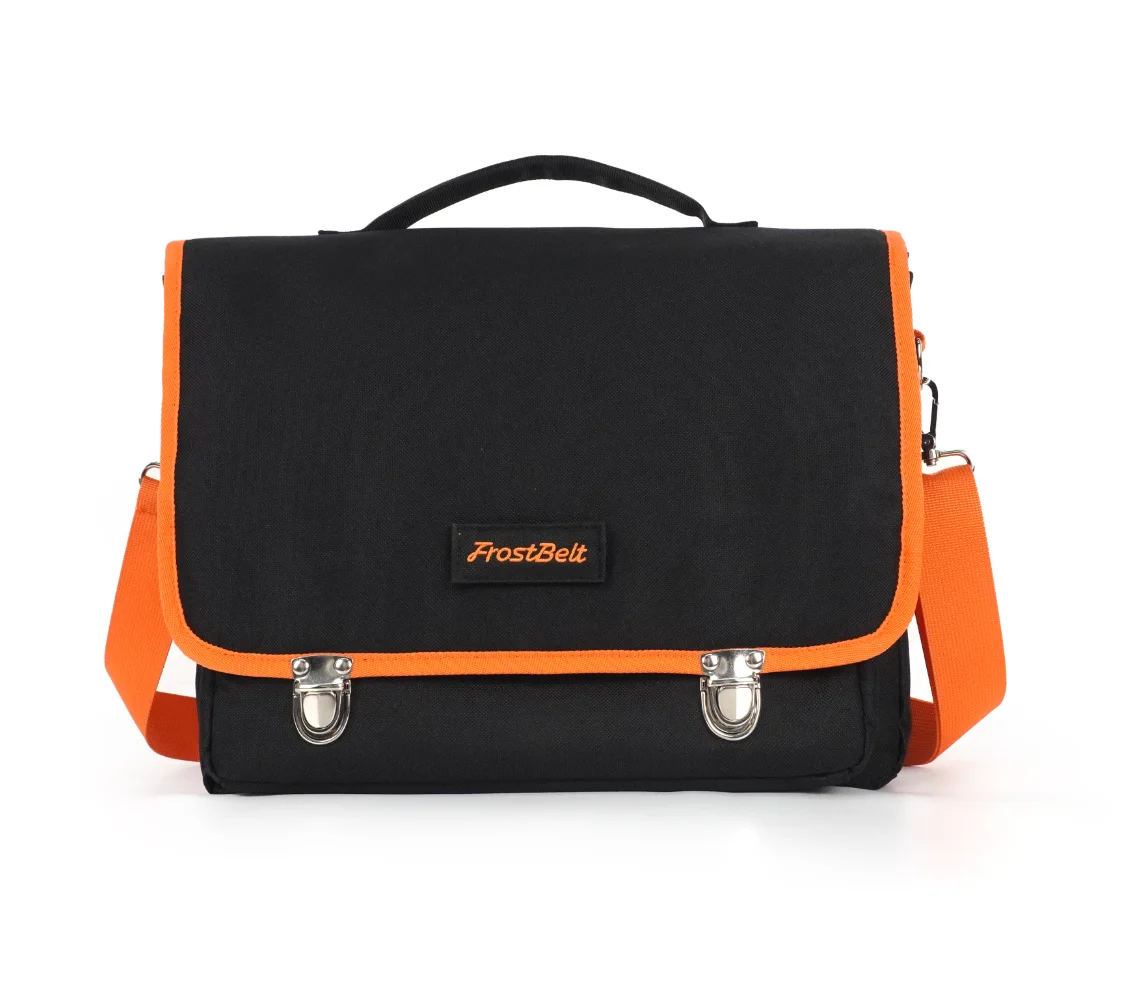
 ×
×
When procurement teams source laptop backpacks, the conversation usually starts with price, lead time, and logo placement. Material specification is treated as a detail — something the factory handles. That assumption is expensive.
The fabric, foam, hardware, and lining in a laptop backpack directly determine how long it survives daily use, whether it protects the equipment inside, and whether it passes the safety testing required in your target market. Getting specific about materials before you place an order is not over-engineering the process. It is the difference between a product that works and one that fails publicly.
A laptop backpack is not a single material decision. It is a system of four interdependent layers, each with its own specification requirements.
The outer shell fabric carries the most visible quality signal. Nylon and polyester dominate the market, but they are not interchangeable. Nylon offers higher tensile strength and abrasion resistance — relevant for bags that will be dragged through airports, tossed under seats, or carried daily in urban environments. Polyester costs less to produce and is more widely available, but it wears faster under the same conditions.
The internal laptop compartment uses foam padding as the primary protection mechanism. Foam density is measured in kg/m³; a compartment rated for a 15-inch laptop should use padding in the 28–35 kg/m³ range. Anything lighter compresses too easily under load. Anything denser adds weight without meaningful protection improvement.
Zippers and hardware are the most frequent points of failure. YKK and SBS are the two brands most commonly specified by buyers who have experienced zipper failures on previous orders. The gauge matters — a #5 zipper on a main compartment that regularly carries 5–8 kg of equipment will fail faster than a #8 or #10.
The lining material is usually polyester taffeta or nylon ripstop. For a laptop compartment, the lining matters more than it looks: a scratchy lining damages laptop surfaces and screens over repeated insertion cycles.
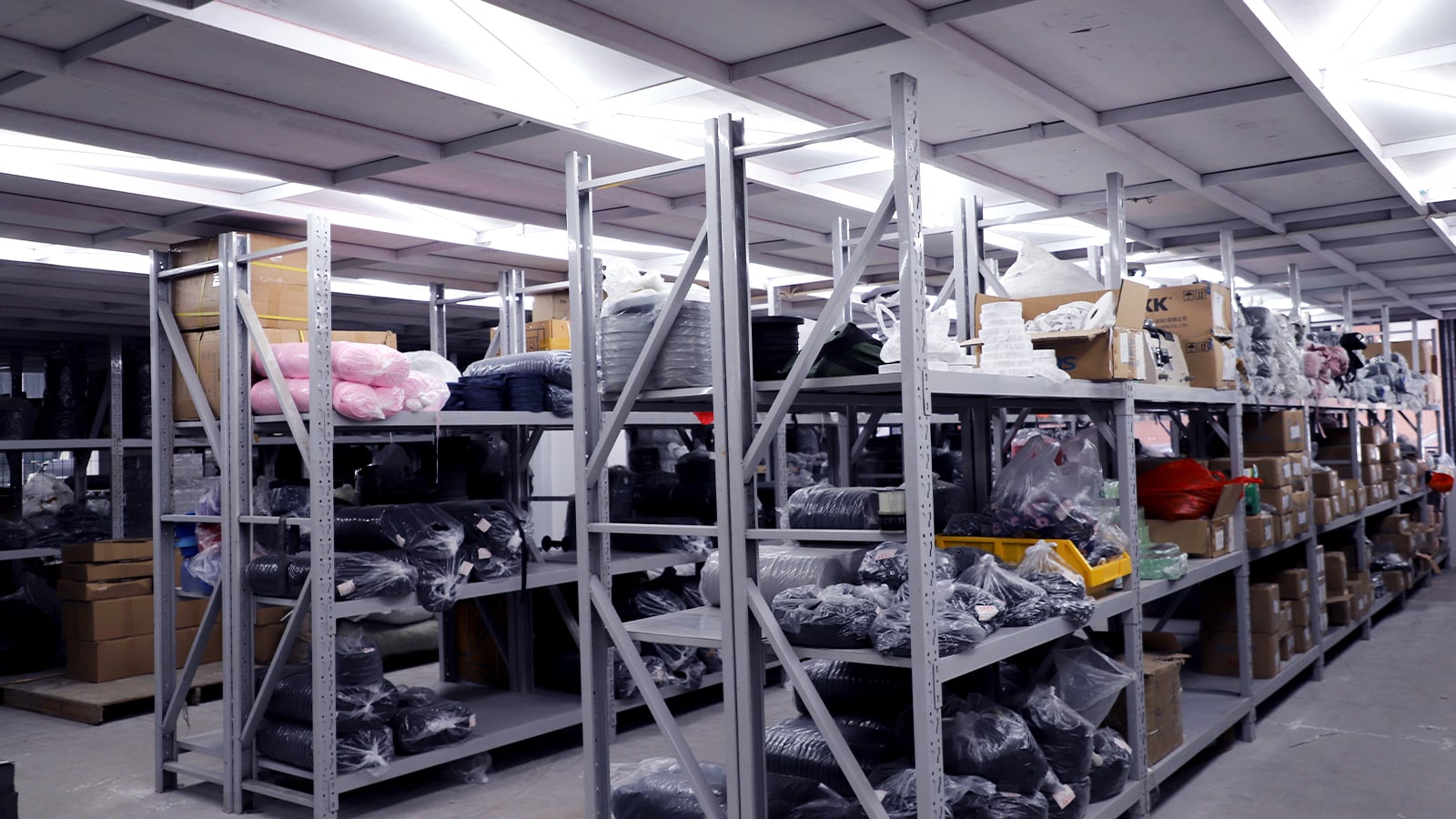
Material substitution is one of the most common cost-cutting mechanisms in bag manufacturing. It rarely shows up on inspection reports because inspectors check dimensions and stitching, not fabric denier counts.
The most common substitution: a supplier quotes 600D polyester, ships 420D or 300D. The lower denier fabric is lighter, cheaper, and visually similar — until the bag is used heavily. At that point, abrasion resistance drops significantly and the fabric begins to pill or thin at stress points.
A second common substitution involves foam density. Bags sample with firm, protective padding and arrive with softer, cheaper foam. Without a density test on arrival, this is nearly impossible to catch visually.
Zipper substitution is particularly hard to detect. A factory may sample with YKK but switch to a generic brand in production, especially on repeat orders where the buyer is less likely to scrutinize.
Material specifications belong in your purchase order, not in a conversation. Anything discussed but not written becomes a negotiation point during production.
For outer fabric: specify the material type (nylon or polyester), the denier count, the weave pattern (Oxford, ripstop, plain), and the coating (PU coating for water resistance, with a minimum hydrostatic head rating of 1,000mm for meaningful protection).
For padding: specify the foam density in kg/m³ and the padding thickness in mm. For the laptop compartment back panel, 10mm at 30 kg/m³ is a reasonable minimum.
For zippers: name the brand (YKK preferred), the gauge (#5 minimum for secondary pockets, #8 or #10 for main compartment), and the type (coil or molded). Specify the pull style — auto-lock pulls prevent accidental opening.
For lining: specify the material and, if the bag will carry electronics regularly, request anti-scratch or microfiber lining in the laptop sleeve.
Pre-production samples are your primary material verification tool, but only if you test them rather than just inspect them visually.
Send fabric swatches from the sample for a denier and tensile strength test. This costs less than $50 per test and catches fabric substitution before production begins.
Conduct a zipper pull test: attach the bag to a fixture and pull the zipper under a 15 kg load 500 times. Zipper failure at this stage is far cheaper than zipper failure after delivery.
Weigh the foam padding removed from the sample and compare against the specification. Foam density combined with volume gives you total mass — a quick cross-check that requires no lab equipment.
A buyer who specifies materials precisely and verifies them at the sample stage eliminates the most common causes of product returns and customer complaints. The cost of the verification process is small. The cost of skipping it is not.
 Hot News


 EN
EN