 ×
×
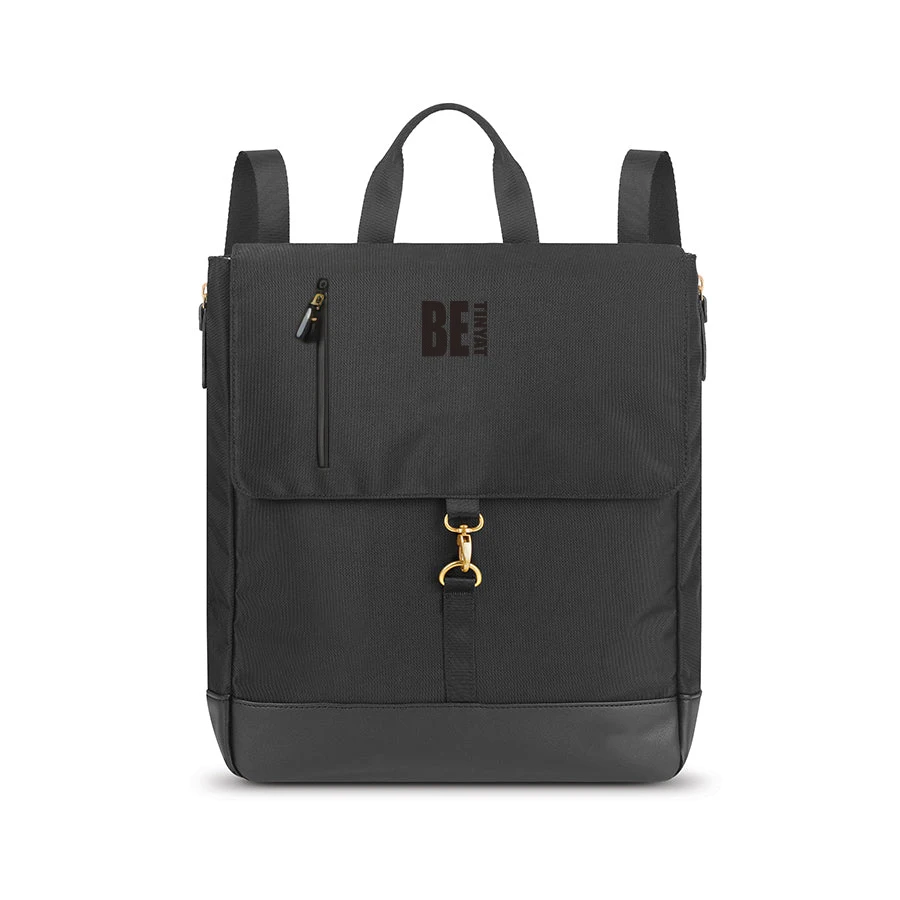
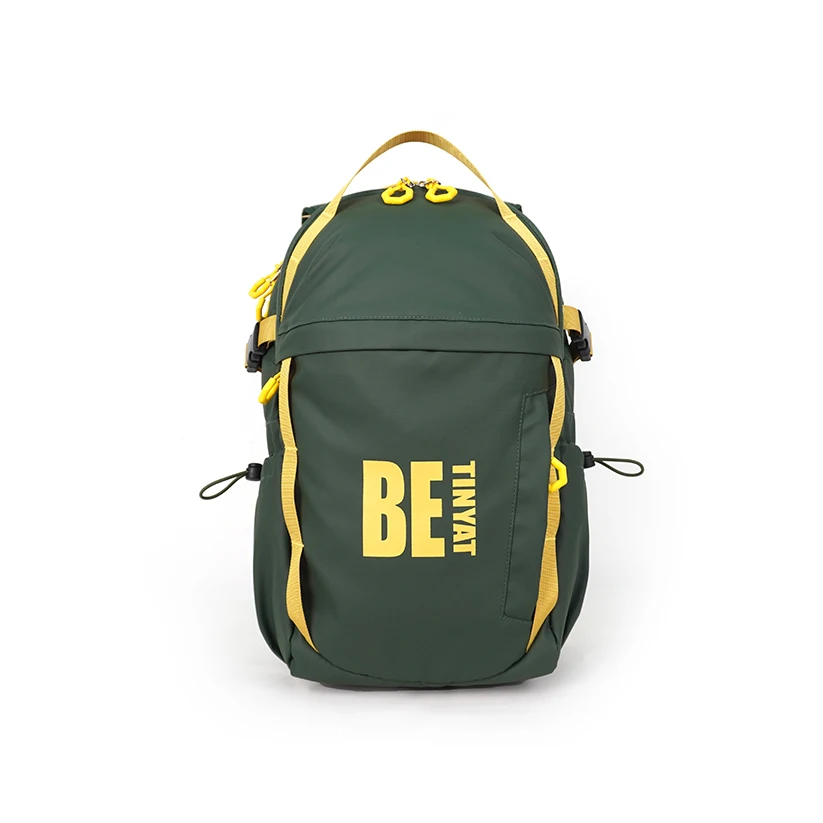
Custom hardware — branded zipper pulls, logo-embossed buckles, proprietary closure mechanisms — differentiates a laptop backpack at the product level. For brands investing in the laptop bag category as a brand expression vehicle rather than a commodity product, custom hardware is a meaningful premium signal.
The decision requires understanding the tooling investment, the minimum quantities tied to custom hardware manufacturing, and the lead time implications before committing to custom hardware in a product development timeline.
Custom hardware requires tooling — the metal molds used to cast or stamp the hardware pieces. Tooling is a one-time investment per hardware design. Once the tooling exists, subsequent production runs of the same hardware add only material and production costs.
Typical tooling costs for laptop backpack hardware:
Custom zipper pull (die-cast zinc alloy): $300–800 tooling per pull design. Higher for complex shapes or multi-piece assemblies.
Custom buckle (injection-molded plastic): $500–1,200 tooling per buckle design. Plastic injection tooling is more expensive than simple zinc casting tools because of mold complexity.
Logo-debossed D-ring or slide: $200–500 tooling, because the customization is surface treatment on a standard form rather than a custom form.
Tooling ownership: establish in writing that the buyer owns the tooling. Tooling paid for by the buyer but owned by the factory is tooling the buyer cannot move to another supplier.
Hardware manufacturers have their own MOQs, separate from the bag factory's MOQ. These create a floor for custom hardware projects that buyers frequently underestimate.
Die-cast zinc hardware: MOQ typically 500–1,000 pieces per design. At one zipper pull per bag, 1,000 bags minimum.
Plastica iniettata: quantità minima d'ordine (MOQ) tipicamente 1.000–2.000 pezzi per progetto, a causa dei maggiori costi di ammortamento degli stampi.
Etichette tessute personalizzate e applicazioni termotrasferibili: MOQ inferiori (100–500 pezzi) e tempi di consegna più brevi, rendendole accessibili anche per ordini più piccoli.
Se la quantità prevista del vostro ordine è inferiore alla MOQ per l'hardware, dovrete o aumentare la quantità dell'ordine, o negoziare con il produttore di hardware un prezzo unitario più elevato per quantità inferiori, oppure passare a un'opzione standard di hardware con personalizzazione superficiale.
Aggiungere 45–60 giorni al tempo standard di produzione quando si utilizza per la prima volta hardware personalizzato. Ciò comprende: progettazione e approvazione dello stampo (10–14 giorni), produzione dello stampo (20–30 giorni), produzione e approvazione del campione hardware (7–10 giorni), e consegna del lotto produttivo alla fabbrica di borse.
In casu de ordines repetite, utentes instrumenta iam existentia, tempus ducens pro instrumentis reducitur ad tempus productionis et distributionis instrumentorum — typice 20–30 dies pro quantitatibus normalibus.
Tempus ducens pro instrumentis paralleletur cum acquisitione materiarum in tempore productionis, non sequitur. Fabbrica quae productionem instrumentorum simul incipit cum acquisitione textilium evitat ut addatur integrum tempus ducens pro instrumentis ad tempus productionis sacculorum.
Quis fabricat instrumenta? Postula nomen et locum suppeditantis instrumentorum. Quidam fabricae sacculorum utuntur productione interna instrumentorum; plerique autem ab fabricantibus specializatis instrumentorum materiam accipiunt. Cognitio cuiusnam fabricet instrumenta tibi adiuvat ut qualitatem et tempus ducens separatim aestimes.
Quid est pretium per partem ad quantitatem destinatam, et quomodo variat ad duplam (2x) et ad dimidiam (0.5x) quantitatem? Intellectus curvae pretii adiuvat te ut aedifices rationem oeconomicam proiecti sub diversis scenariis voluminis.
Quae finitiones superficiei disponibiles sunt, et quae sunt implicationes durabilitatis? Finitiones electroplatae (aurum, argentum, niccolum, chromum) sunt communes maxime. Vestitus pulverulentus et depositio physica vaporis (PVD) meliorem resistentiam ad scabras praebent. Confirmare exspectationes de durabilitate contra ambientes usus probabiles producti.
 Nuntiae Calidae


 EN
EN