 ×
×
Confused about OEM vs ODM bag manufacturing? Learn the key differences, pros and cons of each, and how to choose the right approach for your brand.
────────────────────────────────────────────────────────────
You have a bag idea. You contact a manufacturer. And then they hit you with the question: "Do you want OEM or ODM?"
If you pause at that moment, you are not alone. Plenty of first-time buyers get tripped up by these two terms. But choosing the wrong one can waste months of development time and thousands of dollars.
Here is what OEM and ODM actually mean — and how to pick the right path.
────────────────────────────────────────────────────────────
OEM stands for Original Equipment Manufacturing. In plain terms: you bring the design, the factory builds it.
This is the right choice when you have a specific bag design in mind — a unique shape, a particular pocket layout, custom hardware, or proprietary features that set your brand apart. You own the design. The factory follows your specifications exactly.
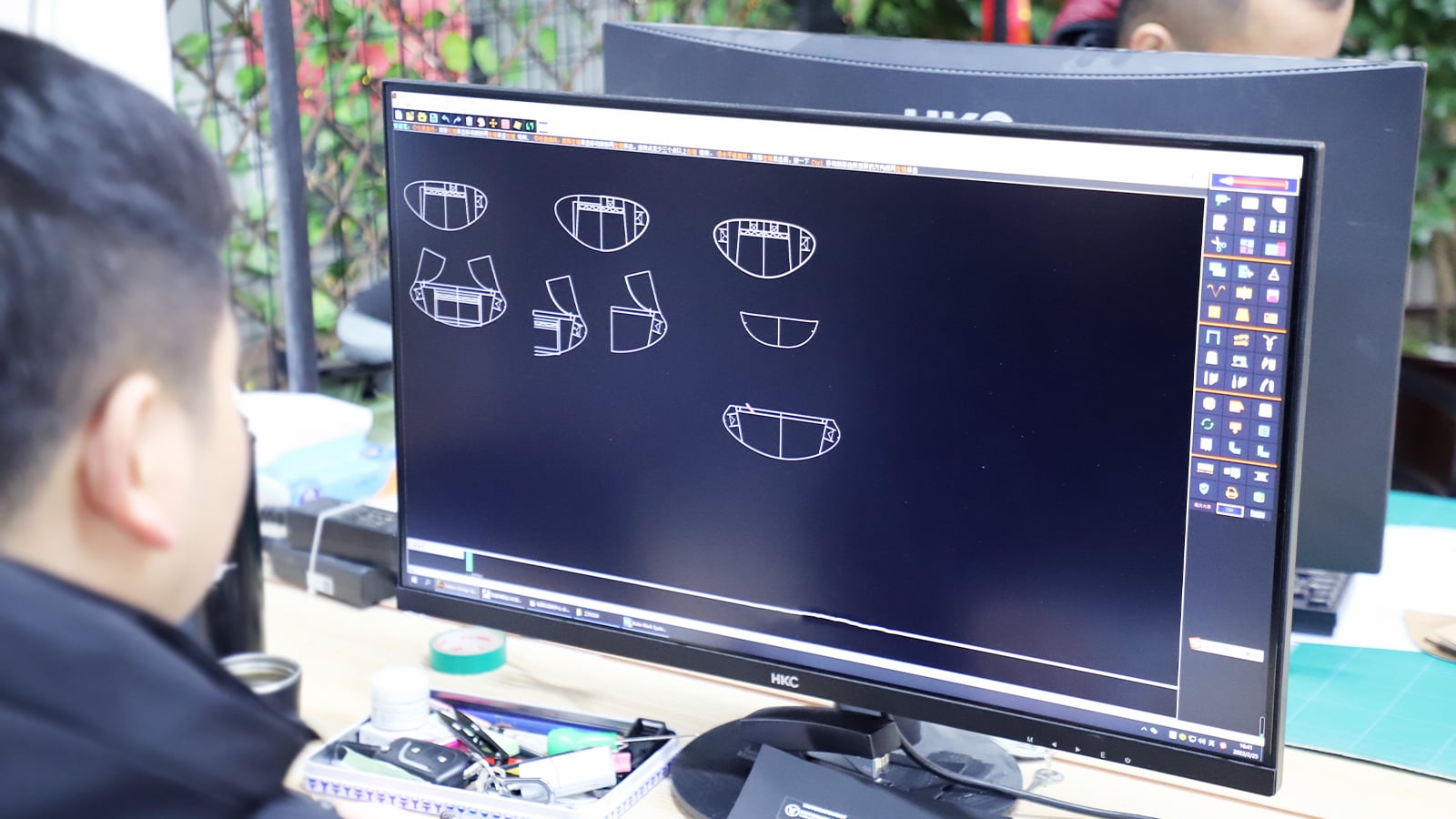
The trade-off is time and cost. OEM requires mold development, multiple sampling rounds, and more back-and-forth communication. Quanzhou Tianqin Bag Co., Ltd. speeds this up with 3D digital sampling that lets you approve a virtual prototype before physical samples are made, cutting weeks off the development timeline.
ODM means Original Design Manufacturing. The factory already has existing bag designs. You pick one, customize the colors, add your logo, maybe tweak a few details, and start production.
This is faster and cheaper because the design work is already done. The molds exist, the material sourcing is in place, and the production team knows exactly how to assemble the bag. For buyers who need to launch quickly or test a market, ODM is a practical choice.
The downside: you do not own the design. Other brands can sell the same bag with a different logo. If you are building a long-term brand identity, this matters.
Factor |
OEM |
ODM |
Design ownership |
Yours |
Factory's |
Time to market |
45-60 days |
20-35 days |
Upfront cost |
Higher (molds, sampling) |
Lower |
Uniqueness |
Full differentiation |
Shared designs |
Best for |
Established brands |
New sellers, market testing |
Ask yourself three questions:
Do you have a unique design? If yes, go OEM. If you are selling on design, do not let another brand sell the same bag.
What is your timeline? If you need bags in 30 days, ODM is the realistic path. OEM done right takes longer.
What is your budget for development? OEM has higher upfront costs for molds and samples. ODM skips most of this.
Some buyers start with ODM to test a market, then switch to OEM once they have sales data and customer feedback. This reduces risk and funds future development with real revenue. The key is choosing a manufacturer that can handle both — a factory that offers ODM today and has the design team for OEM when you are ready to scale.
────────────────────────────────────────────────────────────
Choosing between OEM and ODM is not about which one is better. It is about which one matches where your brand is right now. Pick the right fit, and you will save time, money, and a lot of frustration.
*TINYAT offers both OEM and ODM bag manufacturing with 18 years of experience serving brands in 150+ countries. Whether you need a fully custom design or a proven style with your logo, contact us to discuss your project.*
 Hot News


 EN
EN