 ×
×
Struggling with high MOQ requirements from bag factories? Learn practical negotiation strategies that work without compromising on product quality.
────────────────────────────────────────────────────────────
You finally found a bag manufacturer you like. Good communication. Solid samples. Fair pricing. Then they tell you the MOQ is 1,000 pieces per color — and you only need 300.
This is one of the most common frustrations for new brands and small businesses. But MOQ is not a brick wall. It is a negotiation, and there are ways to work around it without burning the relationship or sacrificing quality.
────────────────────────────────────────────────────────────
Factories set minimum order quantities because of how their costs work. Raw material suppliers sell fabric in rolls, not meters. Production lines need setup time whether they run 50 bags or 5,000. A small order that takes the same setup effort as a large one eats into margins fast.
When you understand this, you stop seeing MOQ as an arbitrary rule and start seeing it as a math problem you can help solve.
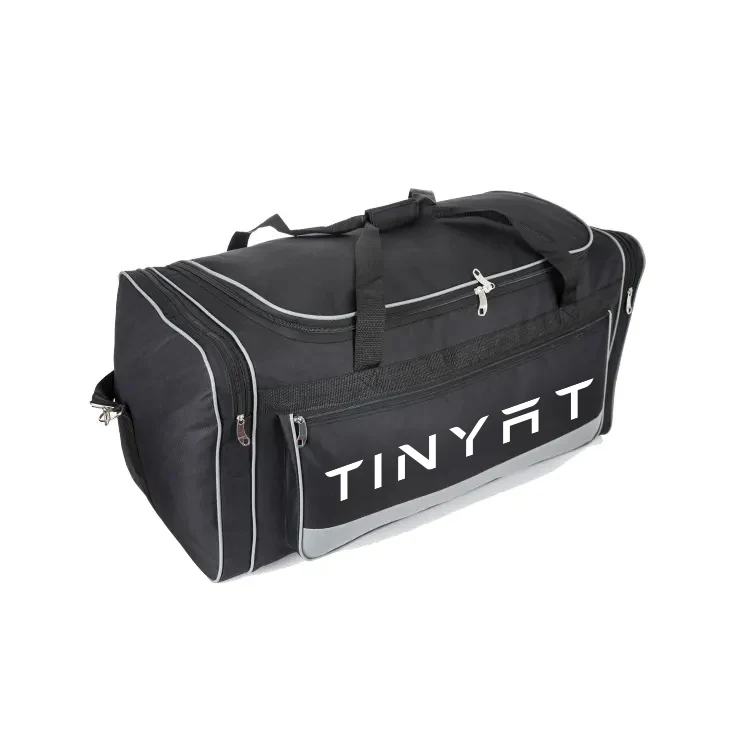
The simplest approach. If the factory needs 500 pieces to break even at $8 per bag, ask what the price would be at 200 pieces. The per-unit cost will go up — maybe to $10 or $11 — but you get the quantity you need and the factory still makes their margin. Quanzhou Tianqin Bag Co., Ltd. works with many emerging brands this way, offering a transparent surcharge structure for below-MOQ orders rather than a flat refusal.
A 1,000-piece MOQ with five colors means 200 pieces per color. A 500-piece MOQ with one color means the factory only does one production setup. Ask if they will accept a lower total quantity in exchange for fewer variations. Many will.
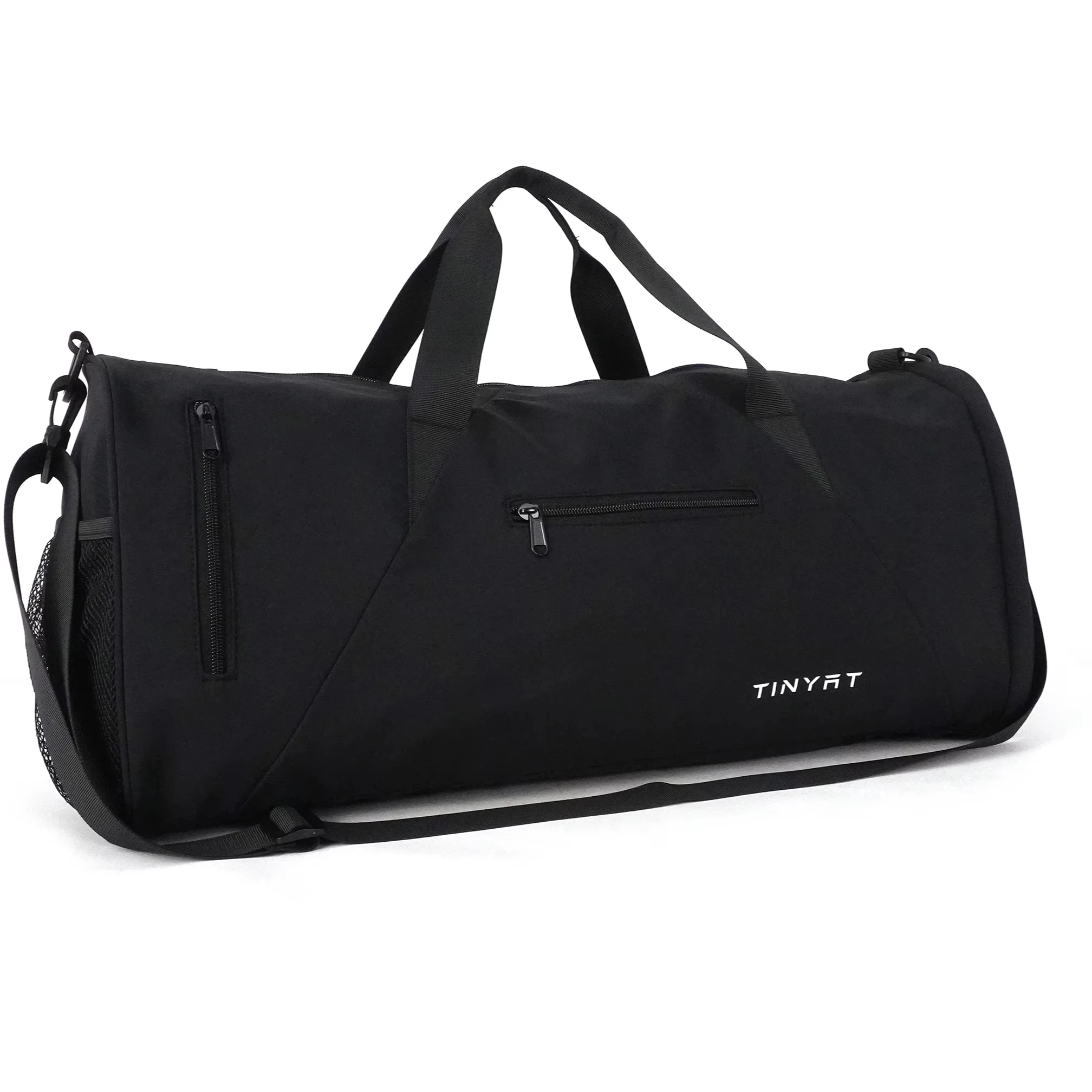
Custom-dyed fabric has high minimums because the dye house charges for setup. If you can use materials the factory already has in stock — black 600D polyester, for example — you bypass the fabric minimum entirely. Your color options shrink, but so does your MOQ.
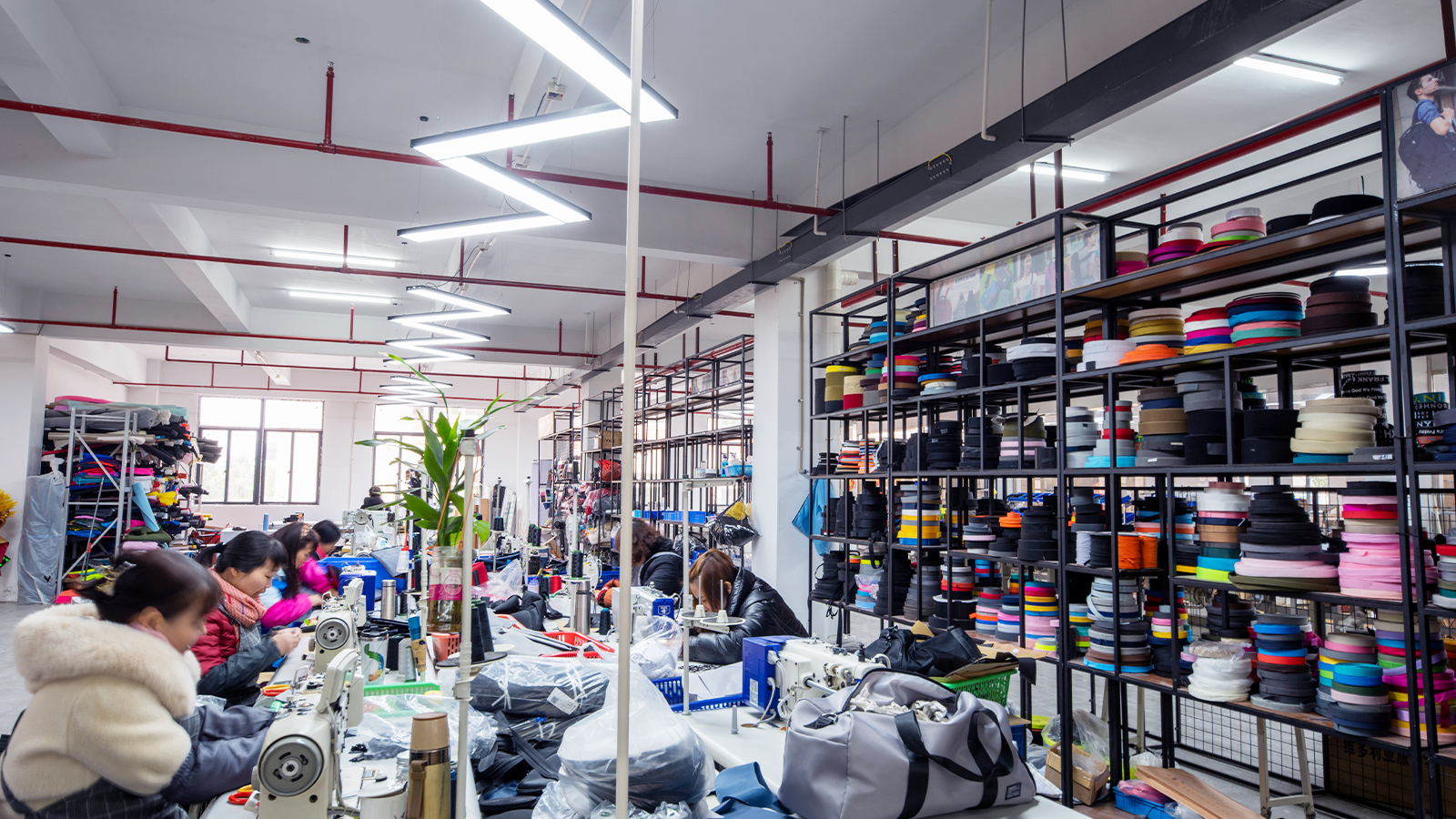
Instead of 300 pieces now, offer to sign for 900 pieces delivered in three batches of 300 over six months. The factory gets the total volume commitment. You get manageable inventory and cash flow. Both sides win.
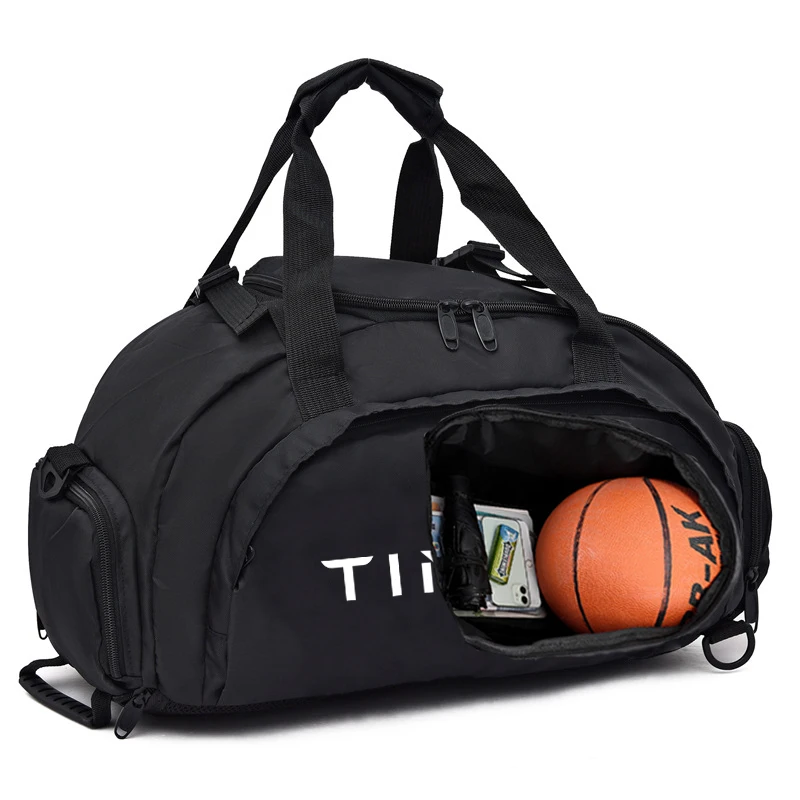
If the factory's MOQ is reasonable for the industry (300-500 pieces for custom backpacks is normal) and you have the budget, taking the full MOQ might be the smarter move. Higher volume means lower per-unit cost, which means better margins when you sell through. The key is having a realistic sales plan, not just hoping you will figure it out later.
────────────────────────────────────────────────────────────
MOQ negotiations work best when you approach them as a partnership conversation, not a demand. Show the factory you understand their costs, offer fair compromises, and prove you are serious about a long-term relationship. The good ones will meet you halfway.
*TINYAT (Quanzhou Tianqin Bag Co., Ltd.) offers flexible MOQ options for brands at every stage — from startups testing their first design to established companies scaling production. Contact us to discuss your quantity needs.*
 Hot News


 EN
EN