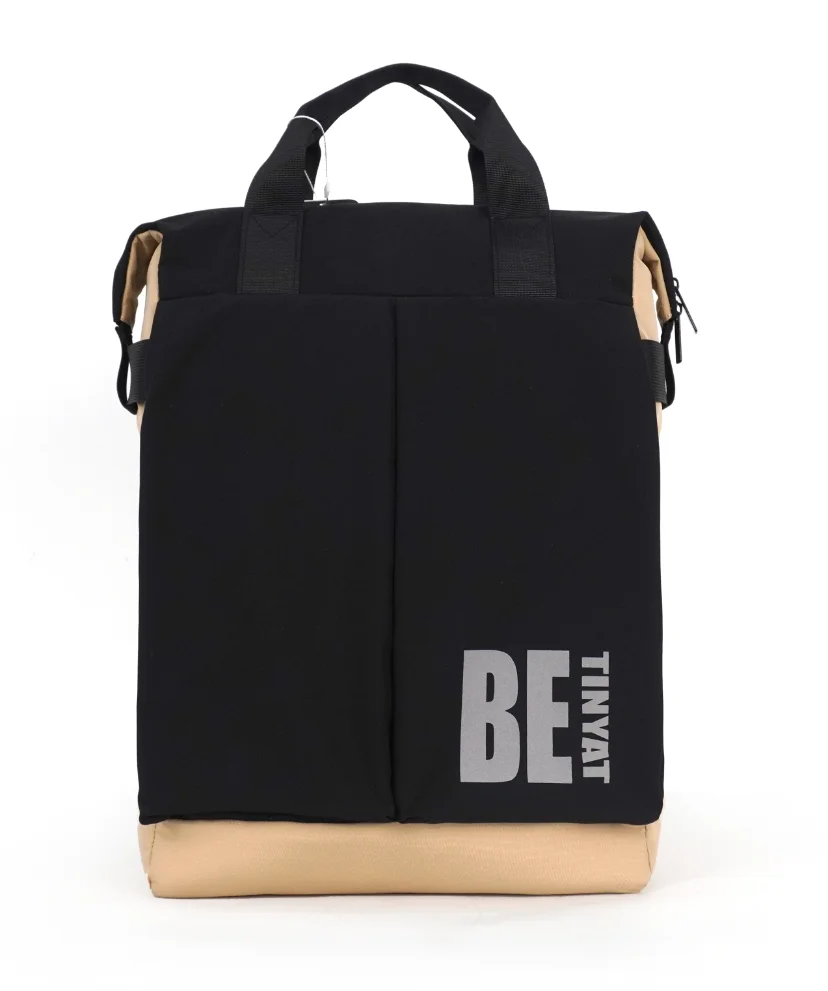
For professional B2B buyers, the durability of a bag is defined by its weakest link: the seams and attachment points. Understanding how a factory handles these critical stress points is essential for evaluating the long-term reliability of a supplier.
1. Bartack: Reinforcing Stress Points
A Bartack is a dense, high-strength stitch pattern used to reinforce areas facing concentrated tension, like handle attachments and shoulder strap bases. It functions as a textile rivet, distributing the load across a larger area. At Quanzhou Tianqin Bag CO.,LTD, we utilize automated Bartack machinery to ensure that every reinforcement is applied with consistent stitch density (SPI 6-8) and precision, meeting the rigorous testing standards of US and EU markets.
2. Backstitch and Operational Continuity
The backstitch is used to lock the thread at the beginning and end of a seam. By sewing backward for several stitches, the manufacturer ensures the seam will not unravel. Precision in backstitching is a clear indicator of a factory’s internal QC standards. Seeing secure backstitches across a production run provides confidence in the factory’s attention to detail and operational consistency.
3. Product Lifecycle and RMA Rate Reduction
Reinforcement techniques directly impact the overall product lifecycle. Bags not properly reinforced will inevitably fail, leading to a high RMA (Return Merchandise Authorization) Rate. In a B2B context, a high RMA rate is a threat to the brand’s reputation. Professional factories integrate internal strengthening processes, such as reinforcement webbing, to bolster structural integrity and meet durability expectations.
4. Technical Verification through SGS/TUV
When auditing a factory, buyers should look for evidence of load-bearing tests that validate these stitching techniques. High-quality manufacturers can provide data showing how their Bartacking and reinforcement methods allow the product to pass international physical strength tests by labs like SGS or TUV. Ensuring these standards are met during manufacturing is the most effective way to mitigate risk and ensure a successful product launch.
 ×
×
 Hot News


 EN
EN