 ×
×
The back panel of a laptop backpack sits against the wearer's back for hours at a time. In a solid-panel design, heat and moisture accumulate at the contact surface — a well-documented cause of discomfort during extended wear. Mesh back panels address this by creating air channels between the bag and the wearer's back.
But "mesh back panel" covers a wide performance spectrum. A thin polyester mesh laminated to a flat foam backing provides minimal airflow improvement. A structured mesh panel with foam channels and a rigid support frame creates genuine ventilation that wearers notice within the first 30 minutes of use. The difference is material and construction specification.
3D spacer mesh (also called air mesh or sandwich mesh) is the performance standard for back panel ventilation. This material is knitted in three dimensions — it has a top layer, a bottom layer, and a spacer yarn structure between them that maintains loft under compression. The result is a material that keeps the outer layer of the mesh elevated away from the foam surface, creating genuine air channels even under the weight of the loaded bag.
3D spacer mesh is specified by compression resistance — the load required to compress the mesh to 50% of its original height. For a back panel application, a compression resistance of 2–4 kPa is appropriate: firm enough to maintain air channels under the bag's weight, compliant enough to conform to the wearer's back shape.
Flat polyester mesh (standard single-layer mesh): offers minimal airflow improvement because it does not maintain loft under compression. It reads as a breathable material in a store but performs similarly to solid panel under actual wearing conditions. Significantly less expensive and widely used in cost-optimized bags.
Back panel airflow is a system-level design, not just a material choice. Even the best 3D spacer mesh delivers limited airflow improvement if the foam behind it is a solid slab that blocks air movement laterally.
Effective back panel designs use foam in channels — longitudinal foam rails with channels between them — so that air can move vertically up the back during walking motion (the bellows effect). The channel width should be at least 30mm to allow meaningful airflow. Narrow channels (10–15mm) are primarily decorative.
The foam in the channels should be firmer (35–40 kg/m³) at the lumbar region, where the bag load concentrates, and softer at the shoulder blade region, where conformability matters more than support.
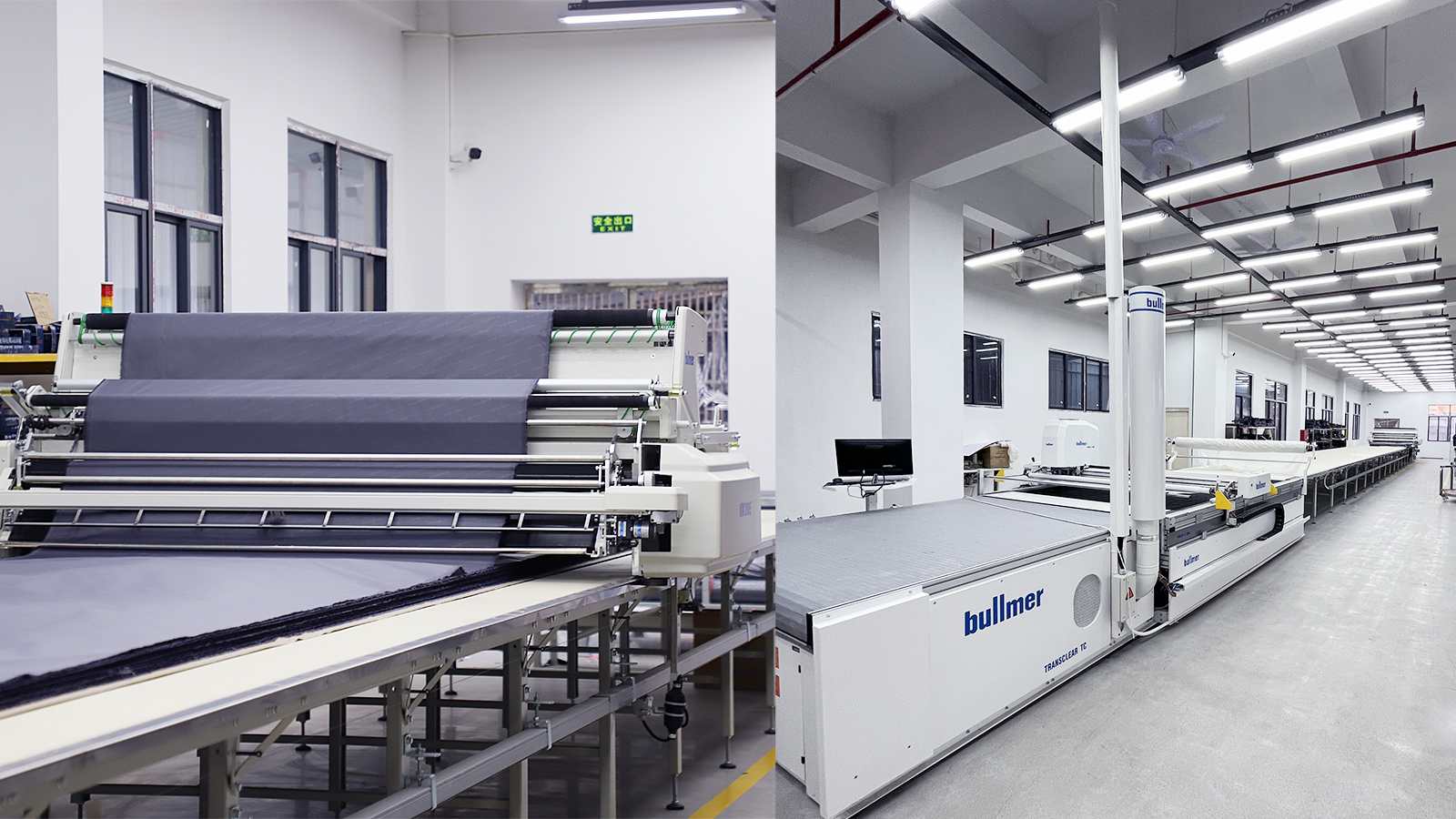
The two most common cost-cutting approaches in back panel design are: replacing 3D spacer mesh with flat mesh, and using a single slab of medium-density foam rather than a channeled foam structure.
The result looks similar to a proper ventilated back panel in product photographs — mesh is visible, the structure appears to have dimension — but performs like a solid panel in use. Buyers who source based on photographs and samples stored in a showroom environment will not catch this, because the deficiency only becomes apparent during extended wearing.
Testing this is simple: wear the bag for 30 minutes in a warm environment (above 25°C), remove it, and compare the moisture on the contact surface of the back panel to a bag with a properly specified 3D spacer mesh system. The difference is immediately visible.
3D spacer mesh compressed repeatedly over the life of a bag eventually loses loft — the spacer yarns break down and the mesh flattens. The durability of this material is measured in compression cycles: how many times can the mesh be compressed and released before loft drops below 70% of original height.
For a laptop bag used 250 days per year and worn for 30–60 minutes daily, meaningful compression cycling occurs. Specify a minimum 50,000 compression cycle rating for back panel spacer mesh — this translates to approximately 4–5 years of daily use before loft degradation becomes noticeable.
 Hot News


 EN
EN