 ×
×
"Vegan leather" is a marketing term, not a regulated material category. It can refer to polyurethane (PU) coated fabric, PVC (polyvinyl chloride), microfiber-based materials, plant-derived alternatives (apple skin, cactus leather, mushroom mycelium), or bio-based polyurethane — materials with dramatically different environmental profiles, durability characteristics, and production chemical profiles.
For buyers sourcing "vegan leather" laptop backpack materials, understanding what is actually in the product is the only way to make a meaningful sourcing decision.
The dominant "vegan leather" material in laptop backpack production is PU-coated split leather alternative — a textile substrate (usually polyester knit) coated with a polyurethane film that is textured and finished to resemble leather. This material is:
Functionally acceptable for bag applications where a leather-like appearance is desired. Durable enough for moderate use (1–3 years of daily use depending on quality grade). Not particularly eco-friendly — PU is a petroleum-derived polymer, and split leather alternatives often use more chemicals in production than genuine leather.
PVC "vegan leather" is less expensive and more common in lower price point bags. PVC contains plasticizers (often phthalates) that are restricted in EU markets and has a higher environmental impact profile than PU alternatives.
Apple skin leather, cactus leather (Desserto), and mycelium-based materials (Bolt Threads Mylo) have received significant press coverage as sustainable vegan leather alternatives. For laptop backpack production, practical limitations currently restrict their use:
Volume availability: most plant-based leather alternatives are produced in limited quantities insufficient for large-scale bag production runs.
Durability profiles: plant-based alternatives vary significantly in durability. Apple skin leather in particular uses only a portion of apple biomass — typically 50% or less — mixed with a PU or PVC base. The sustainability benefit is real but partial.
Cost: plant-based alternatives carry significant cost premiums (3–10x) over conventional PU alternatives, limiting their use to premium and limited-edition products.
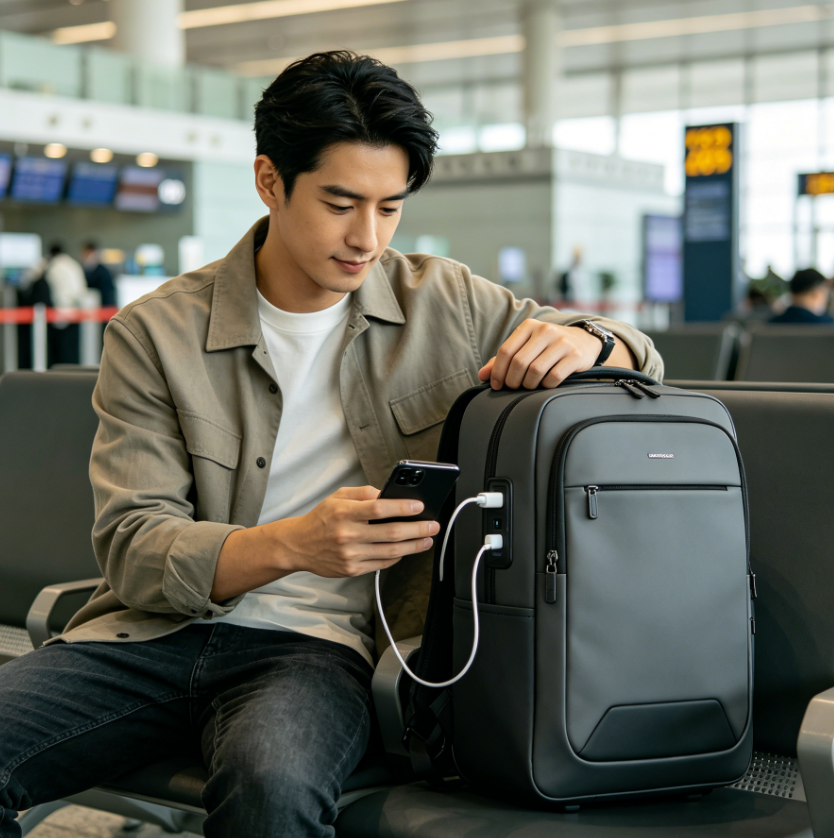
Ask specifically: what is the material composition? Request the substrate material, the coating material, the coating weight, and the backing material. A complete material description for "vegan leather" should identify all components — not just the surface layer.
For environmental claims associated with vegan leather: request the specific environmental benefit claimed, the supporting data, and the certification that verifies the claim. "Better for the planet" is not a verified claim. "Bio-based PU coating with 35% bio-polyol content, certified per DIN CERTCO" is a verified claim.
For EU market compliance: request chemical test reports covering phthalates, REACH SVHCs, and restricted heavy metals, regardless of which "vegan leather" material is used. All of these material categories have potential compliance implications.
"Vegan leather" in the current market is a material positioning choice that separates the product from animal-derived leather — it does not automatically indicate environmental superiority or superior durability. For buyers sourcing on environmental grounds, understanding the full material profile is necessary to make a defensible claim.
For buyers sourcing on durability grounds, PU vegan leather at appropriate quality grade (minimum 0.8mm thickness, firm substrate) is a serviceable laptop bag material for moderate use environments. PVC alternatives should be avoided for EU market entry due to chemical compliance complexity.
 Hot News


 EN
EN