 ×
×
The colors in laptop backpack fabrics come from dye systems — chemical compounds applied to the fiber during textile production. The specific dye chemistry used to achieve a color determines whether the finished product complies with chemical regulations in the target market.
For EU market importers, dye compliance is not an abstract concern. Restricted dyes that appear in finished textile products can trigger customs holds, mandatory product recalls, and civil liability. The cost of a recall far exceeds the cost of the compliance testing that would have prevented it.
AZO dyes are the largest dye class used in textile manufacturing — they account for more than half of commercial dyes. Most AZO dyes are safe and widely used without regulatory concern. The regulatory issue is with AZO dyes that can cleave under reductive conditions (skin contact, perspiration, anaerobic conditions) to release carcinogenic aromatic amines.
EU Regulation (EC) 1907/2006 (REACH), Annex XVII, restricts certain AZO colorants in textile articles that may come into direct and prolonged contact with skin or oral mucosa. The restriction threshold is 30 mg/kg (ppm) for each of the 24 listed aromatic amines.
For laptop backpacks: the outer shell fabric is not typically in prolonged direct skin contact, but strap webbing (in contact with the wearer's neck for sternum straps, and potentially with arm skin) and interior lining (in contact with hands) are subject to the AZO dye restrictions.
Polyester is dyed primarily with disperse dyes. Most disperse dyes are safe; however, certain disperse dyes are restricted in Europe due to sensitization potential (allergic contact dermatitis).
The European standard EN 14362 covers AZO dye testing in textiles. The OEKO-TEX STANDARD 100 restricted substances list includes a broader set of disperse dyes beyond the REACH restriction, including dyes that are sensitizers but not restricted under REACH.
For buyers supplying European retail channels with strict RSL requirements, OEKO-TEX STANDARD 100 certification of the fabric (which includes disperse dye assessment) is more comprehensive than REACH compliance alone.
For EU market compliance, require AZO dye test reports per EN 14362-1 or EN 14362-3 for all dyed textile components in the bag. Reports should be from an accredited laboratory and no more than 12 months old.
For comprehensive compliance, request an RSL (Restricted Substances List) test package that covers REACH SVHC, AZO dyes, heavy metals, formaldehyde, and pH — these are the chemical parameters most commonly cited in EU customs inspections and market surveillance actions.
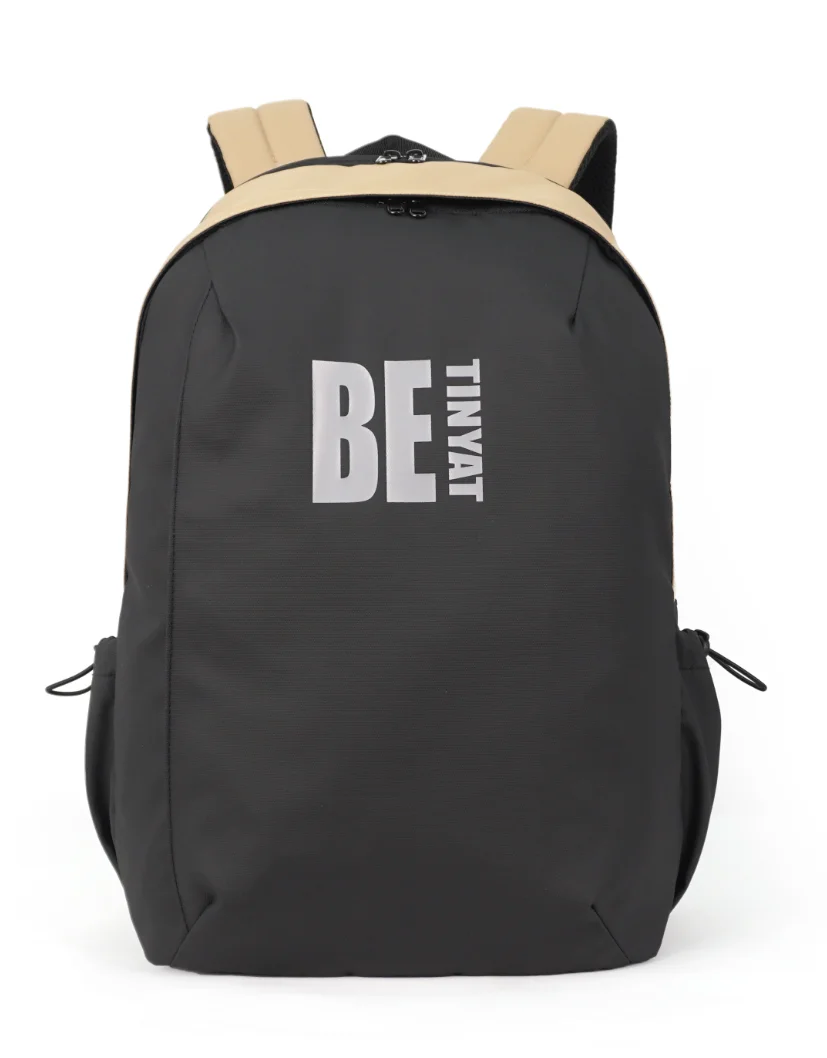
Require test reports for each fabric colorway separately. A test report for a navy fabric does not certify a khaki fabric in the same product line — each color uses different dye formulations that require independent testing.
Specify required chemical testing in the purchase order and require test reports before shipping authorization. A factory that ships without providing the required reports has breached the contractual specification.
For significant or repeat volumes, establish an approved fabric mill list — mills that have current OEKO-TEX STANDARD 100 certification and whose test reports you have reviewed. Using approved mills eliminates per-order testing for standard colorways while maintaining compliance assurance.
 Hot News


 EN
EN