 ×
×
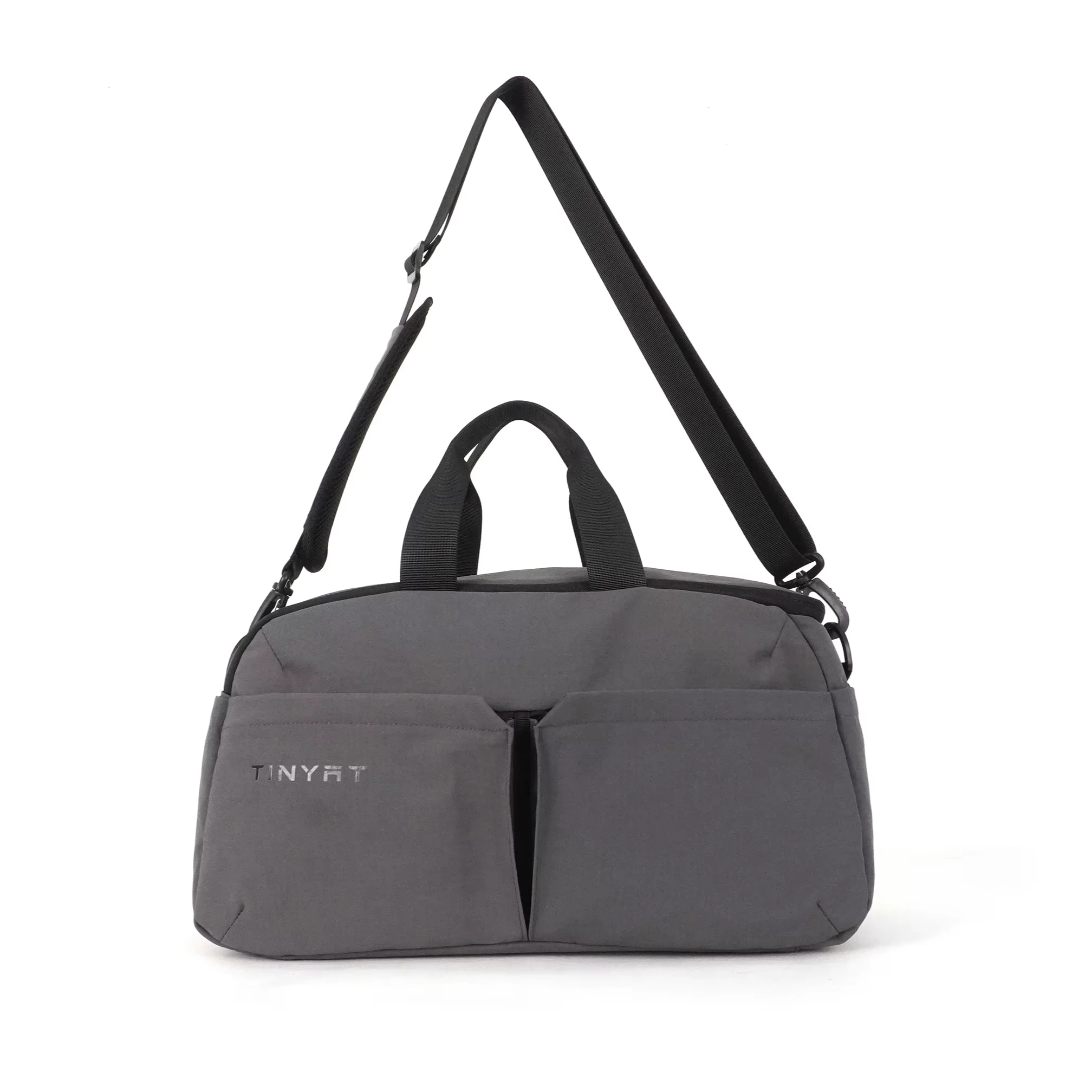
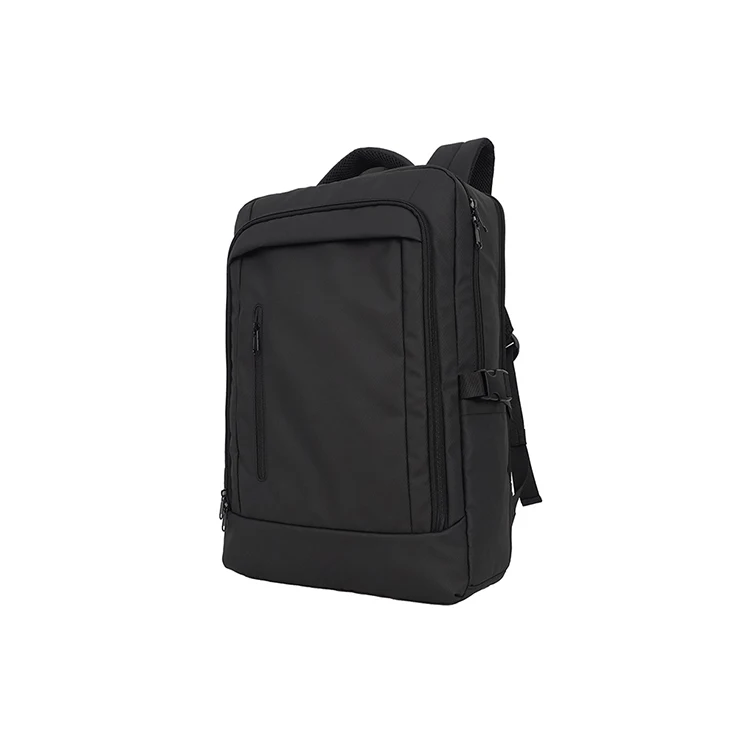
A laptop backpack purchased as a corporate gift serves a different function than one purchased for employee daily use. The gifting context adds requirements that everyday-use specifications do not: branding must be visible and professional, the product must create a positive first impression when received and opened, and the quality signal must reflect favorably on the organization giving the gift.
Procurement teams who specify corporate gifting bags using the same criteria as utility bags — focusing primarily on cost per unit and basic function — miss the requirements that determine whether the gift achieves its purpose.
Choosing economy fabric for premium branding: putting a corporate logo on a 300D polyester bag creates a dissonance between the brand's quality positioning and the product's perceived quality. The recipient notices the bag before they notice the logo.
Underestimating the unboxing experience: a laptop backpack that arrives in a polybag stuffed into a cardboard carton communicates a commodity product. The same bag shipped in a structured box with tissue paper and a branded card communicates a thoughtful gift. The product specification should include the packaging experience, not just the bag.
Ignoring fit for the recipient: corporate gifting bags are often specified for the "standard business professional." A 15-inch laptop compartment may not accommodate a MacBook Pro 16" or a Dell Latitude 15.6" with a sleeve. Verify the laptop compartment dimensions against the laptops your recipients actually use.
Logo placement: the front panel, above center, is the standard corporate branding position. Logos on secondary positions (strap, side panel) read as accidental rather than intentional.
Decoration method: for a corporate gifting program expected to represent the brand for 2+ years, embroidery on woven fabric outer panels is the most durable and professional option. Heat transfer on technical fabric is acceptable for lower budgets but carries a shorter visual life.
Logo size: too small and it disappears; too large and it reads as promotional merchandise rather than a premium gift. A guideline: logo height of 15–25mm on a front panel backpack reads as professional branding rather than advertising.
Thread color for embroidery: match the thread color to the Pantone reference of the logo specification, not to the closest in-stock option. Off-color embroidery is more noticeable than recipients expect and degrades the quality perception of the gift.
Hidden anti-theft pocket: a concealed back panel pocket for passport, phone, and travel documents is consistently cited by business travelers as a valued feature. It is inexpensive to add to a bag design and meaningfully differentiates a gifting product.
Laptop protection: padded laptop compartment with a separate tablet pocket is the baseline. A "floating" laptop compartment (one that does not extend to the bag base, so the bottom of the laptop is not resting on the bag base) is a genuine technical feature worth specifying.
Organization interior: pockets sized for chargers, cables, pens, and business cards that actually fit the items. Interior pockets that are too small for a standard power adapter are a daily frustration.
Corporate gifting bag budgets should separate the product cost from the program cost. A bag that costs $25 and ships in a $5 gift box with $2 of tissue paper and a printed card totals $32 per recipient — and delivers a gift experience worth significantly more than the $25 product alone.
Allocating 15–20% of the total gifting program budget to packaging and presentation is standard practice in premium corporate gifting programs. Buyers who allocate 100% to the product and nothing to presentation are optimizing the wrong variable.
 Hot News


 EN
EN