 ×
×
Textile dyeing is one of the most water-intensive processes in manufacturing. For brands focused on environmental sustainability, the water footprint of their materials is a major concern. Low-Liquor Ratio (LLR) dyeing technology has emerged as a critical solution, significantly reducing water and chemical consumption while maintaining superior color quality and fastness.
1. The Impact of Traditional Dyeing Processes
Traditional dyeing often requires vast amounts of water to ensure even penetration of the dyestuff. This high water consumption leads to significant wastewater volumes that must be treated before discharge, presenting a major environmental and operational cost. For brands sourcing technical fabrics, the "water intensity" of their supplier's mills is an increasingly important factor in their overall environmental audit.
2. Understanding Low-Liquor Ratio Technology
LLR dyeing uses specialized machinery to minimize the amount of water (the "liquor") relative to the weight of the fabric being dyed. By increasing the concentration of the dye in a smaller volume of water, the process becomes more efficient, requiring less energy for heating and fewer chemicals for fixation. This results in a significantly lower environmental footprint per meter of fabric, without compromising the vibrancy or durability of the color.
3. Benefits Beyond Water Conservation
The benefits of LLR dyeing extend beyond environmental savings. The higher efficiency of the process results in shorter dyeing cycles and more consistent color matching between batches. For a B2B buyer, this means more predictable lead times and a higher level of aesthetic consistency across their product line. Furthermore, reducing chemical and energy use can lead to more stable and competitive material costs over the long term.
4. Sourcing Materials with a Lower Water Footprint
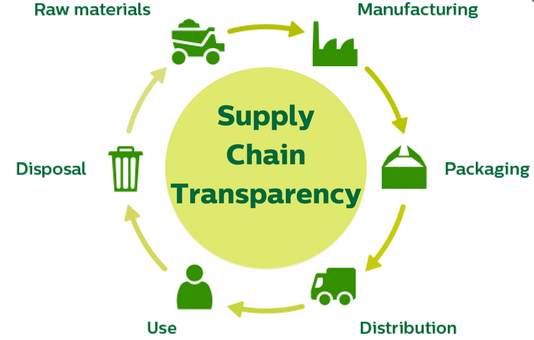
Implementing water-saving technology requires strong partnerships with forward-thinking textile mills. Quanzhou Tianqin Bag CO.,LTD prioritizes material suppliers who invest in LLR dyeing and advanced wastewater treatment systems. We help our clients source fabrics that meet the highest performance standards while minimizing their impact on global water resources, ensuring that their supply chain reflects their commitment to environmental responsibility.
 Hot News


 EN
EN