 ×
×
Fabric delamination — where the coating or laminate layer separates from the base fabric, creating bubbling, peeling, or flaking on the interior surface — is one of the most visible and frustrating quality failures in laptop backpack production. It typically appears 4–9 months after first use and accelerates rapidly once it begins.
Delamination is particularly damaging because it affects the interior of the bag — the surface that protects the user's equipment. A peeling interior lining sheds material that can scratch laptop surfaces, clog device ports, and create a visually degraded product that users blame on the brand, not the manufacturer.
Most delamination in laptop backpack fabrics originates from one of three causes: insufficient adhesive application during lamination, incompatible adhesive chemistry with the base fabric or lining, or inadequate curing time and temperature during production.
PU-laminated fabrics (inner shell laminates) fail when the adhesive used to bond the PU film to the base fabric degrades through heat cycling and flexing. If the adhesive is not fully cured during production, this degradation begins immediately and accelerates with use.
Hydrolytic degradation is a secondary cause specific to PU coatings in humid environments. PU polymers absorb moisture over time; in tropical or high-humidity markets, the coating can begin to break down within 12–18 months if the PU formulation is not appropriate for the climate. This is not a production quality issue — it is a material specification issue that requires matching the coating chemistry to the end-use environment.
Request the adhesion strength test result from the fabric mill for the specific laminate or coating used in your product. ISO 2411 (peel adhesion test for coated fabrics) gives the force required to peel the coating from the base fabric in N/cm. A minimum of 3.5 N/cm is a defensible threshold for a laptop bag application.
Request the hydrolysis resistance test result (ISO 1419 or equivalent) if the bags will be used or stored in humid environments. This test exposes the coated fabric to elevated temperature and humidity for defined periods and measures adhesion strength retention.
Ask what adhesive is used and whether it is solvent-based or water-based. Solvent-based adhesives generally provide stronger initial bond strength and better long-term durability. Water-based adhesives are used in eco-friendly production but require precise process control to achieve equivalent bonding performance.
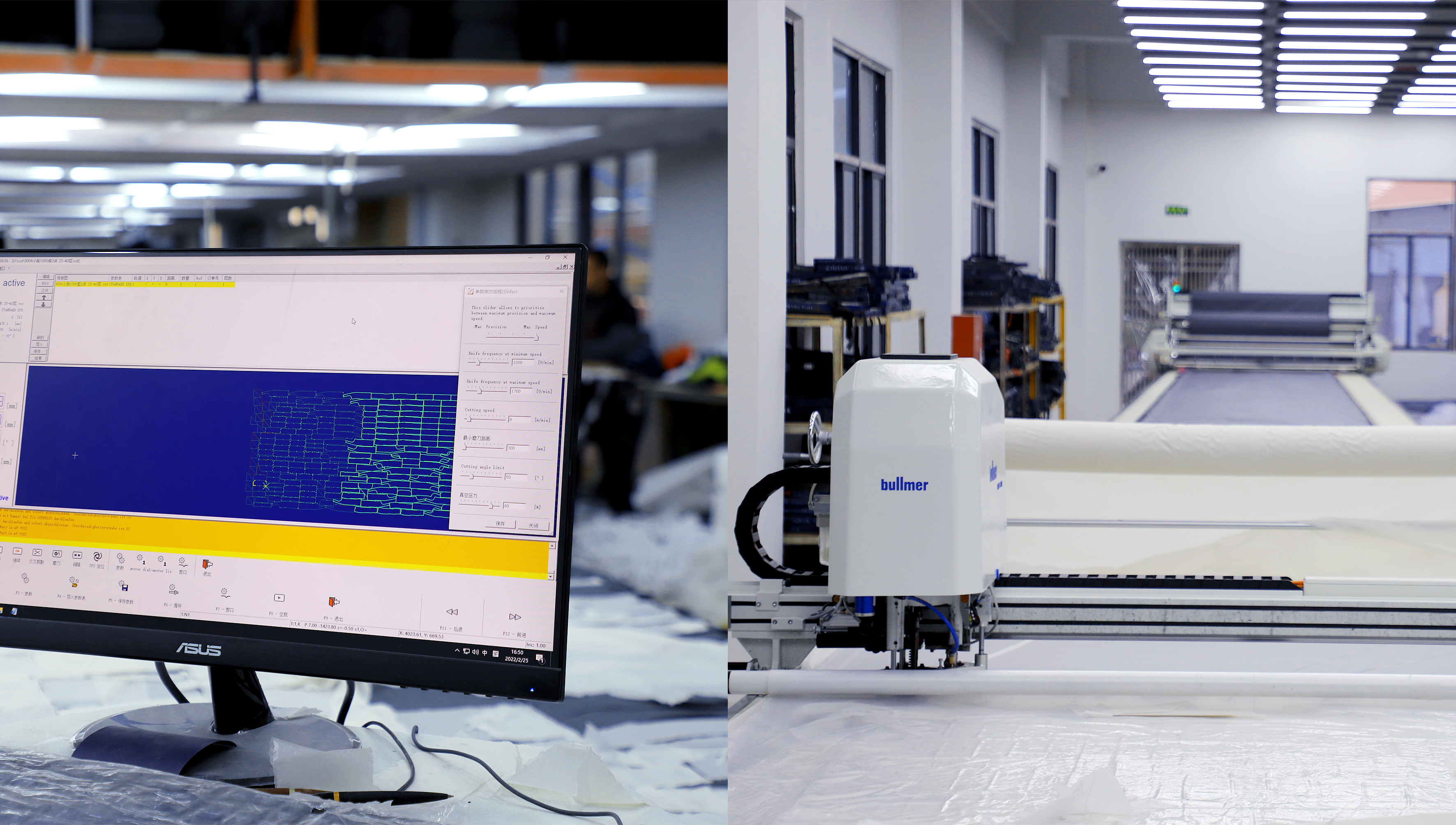
Temperature and pressure during lamination determine bond strength. If either variable deviates from specification during production, adhesion strength drops. For buyers placing significant orders, it is reasonable to request documentation of the lamination process parameters — temperature range, pressure, and dwell time — as part of the production quality records.
Curing time is critical for solvent-based adhesives. Most require 24–48 hours at defined temperature and humidity conditions before the bond reaches its rated strength. Rushed production that packs laminated fabric immediately after application has a documented higher delamination rate.
Storage conditions after production affect laminated fabrics before they even reach the consumer. Bags stored at high temperatures (above 40°C) or in direct sunlight during transit can experience accelerated adhesive degradation. Specify temperature-controlled storage and transit conditions for laminated bag styles.
Delamination is a manufacturing defect, not a user damage claim. Buyers who receive delaminating products have clear grounds for warranty claims — but establishing the timeline of failure and linking it to manufacturing cause requires documentation.
Before accepting delivery of laminated fabric bags, keep five units from the production batch and store them under standard conditions for 90 days. Test adhesion on these units at 30-day intervals. If delamination begins within 90 days under standard storage conditions, you have baseline evidence that the failure is production-origin rather than use-related.
 Hot News


 EN
EN