 ×
×
Material substitution is not usually a deliberate fraud. In most cases, it begins with a factory trying to protect its margin when raw material costs increase between the time of quoting and the time of production. Fabric prices fluctuate. Zipper hardware prices fluctuate. When a factory commits to a price and costs rise, the pressure to find savings somewhere in the bill of materials is real.
The problem for buyers is that the savings come out of material quality, and the buyer absorbs the consequences — returns, complaints, reorders — months later, long after the factory has moved on.
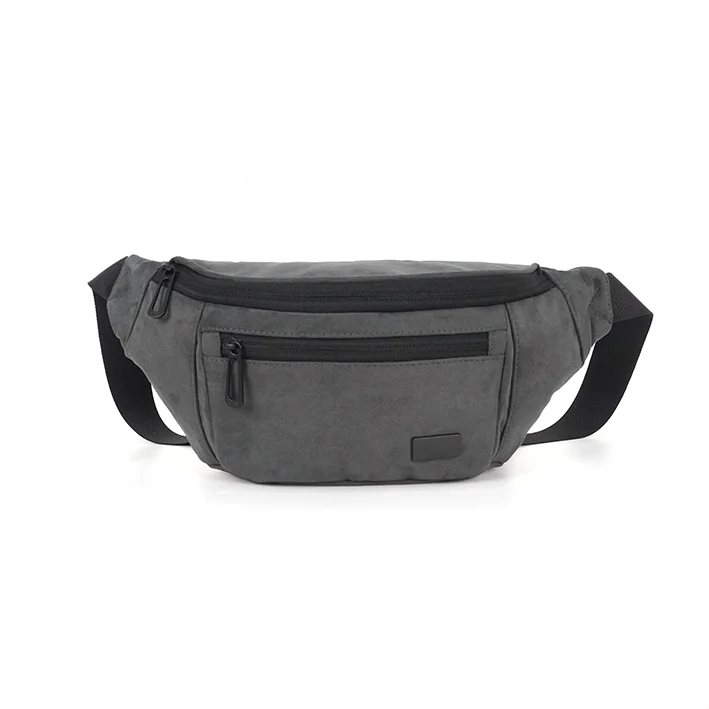
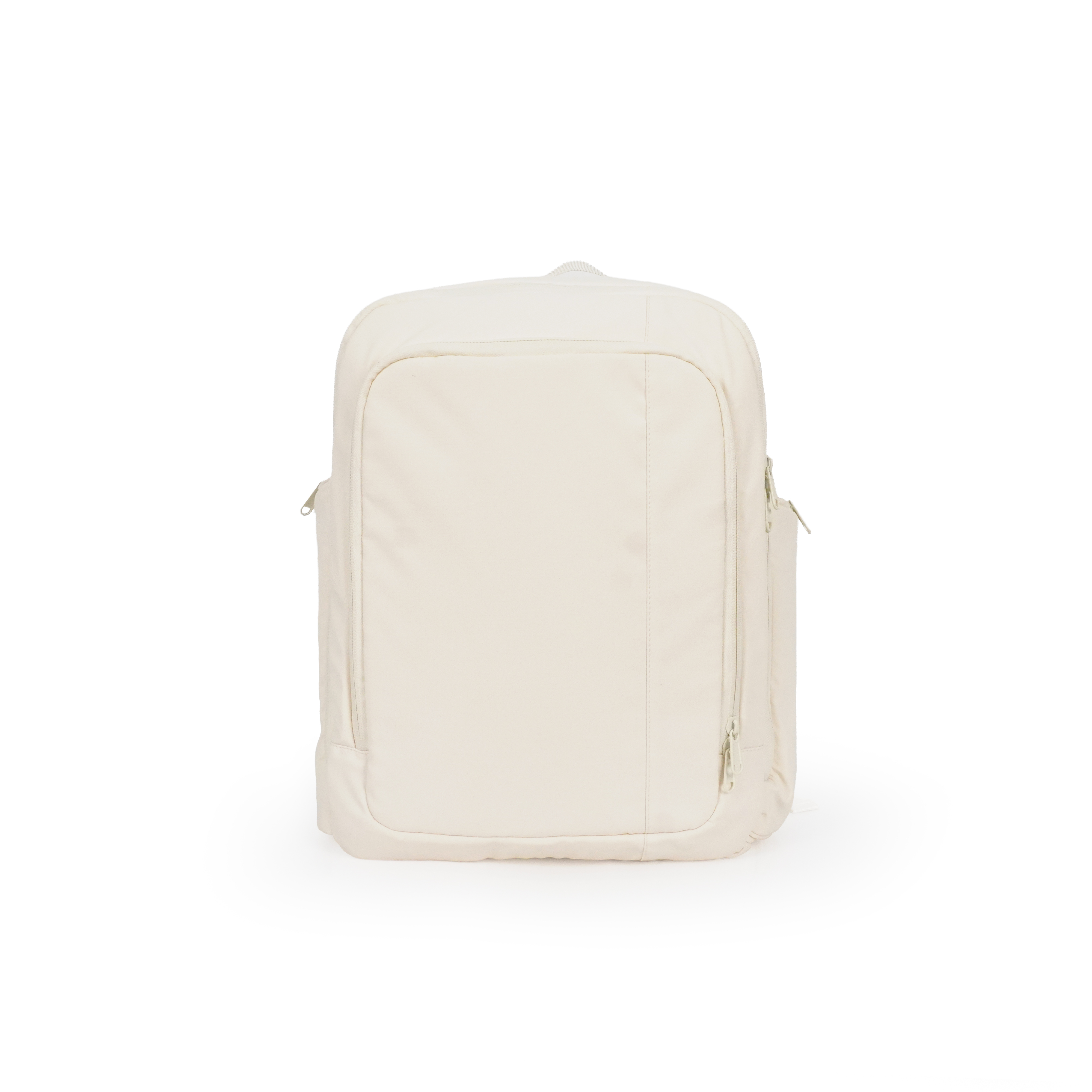
Denier reduction is the most frequent substitution. A factory quotes 600D Oxford polyester and produces with 420D. The visual difference is subtle — the fabric looks similar, the weave pattern is the same, the color matches. The difference emerges after 6–12 months of use when the lower-denier fabric begins to show wear at stress points: corners, base, strap attachment points.
Coating omission or downgrade is the second most common issue. Water-resistant finishes (DWR, PU coating) add cost and require a finishing step. Under production pressure, coating thickness gets reduced or, in some cases, the coating is applied unevenly. The result is a bag that passes casual water spray tests but fails under sustained rain exposure.
Zipper brand substitution is nearly invisible during inspection. YKK and SBS are the most commonly specified brands. Generic zipper manufacturers produce visually identical pulls. The difference shows up in the smoothness of operation and the long-term wear of the zipper teeth — but not in a visual inspection.
Third-party pre-shipment inspections (PSI) check workmanship, dimensions, color, and function. They are not material testing services. An inspector will pull the zipper, check the stitching, measure the bag, and confirm the color against the approved sample. They will not weigh the fabric, test the coating hydrostatic pressure, or verify the zipper brand.
This is not a failure of inspection services — it is a scope mismatch. Inspection checks production conformity, not material conformity. To catch material substitution, you need material testing, which is a separate service.
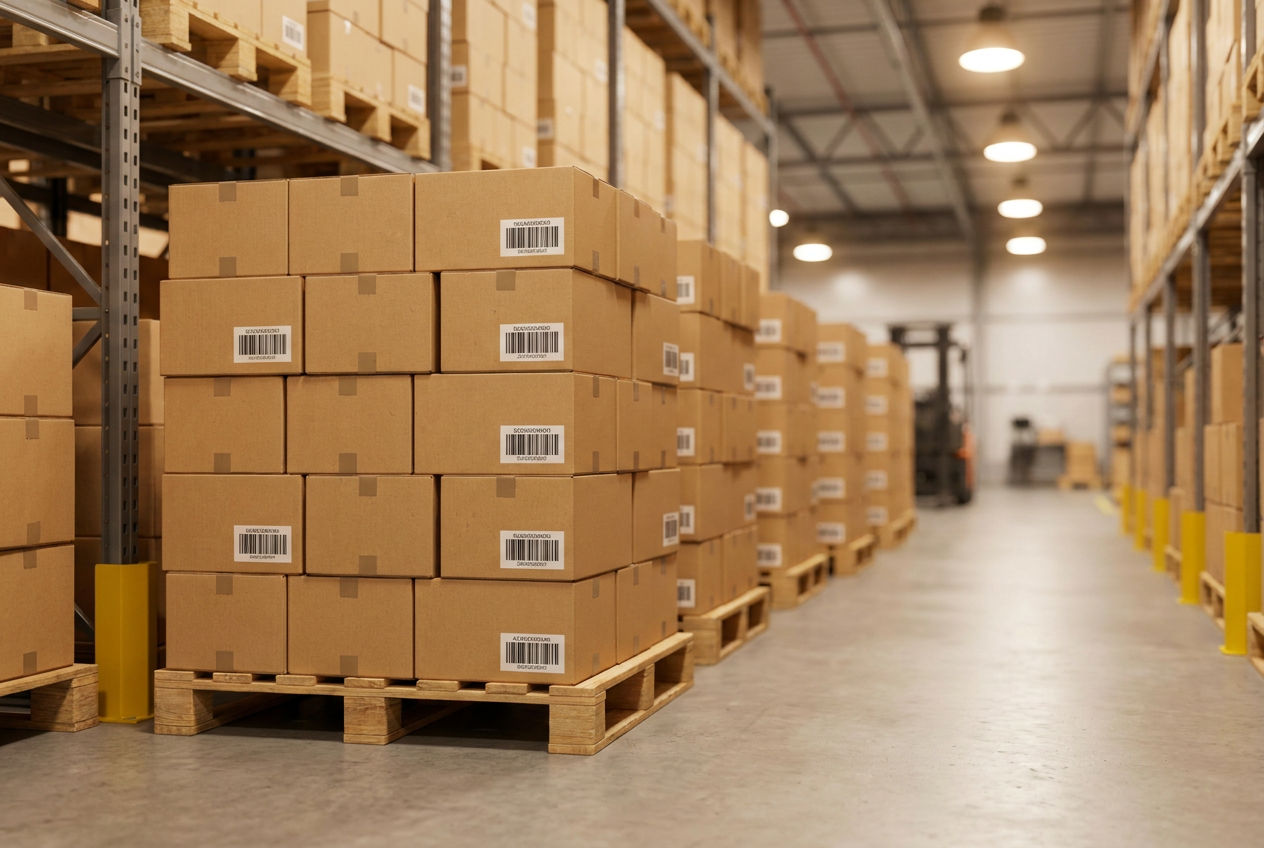
The most effective prevention happens at the order stage, not the inspection stage. When you place an order, request a fabric swatch cut from the production roll — not the sample fabric — and have it tested for denier count and tensile strength before production completes. Fabric testing labs charge $30–80 per test and return results within 48–72 hours.
For zippers, specify the brand and model number in the purchase order and request that the production lot zipper rolls be photographed with visible brand markings before installation.
For coatings, specify a minimum hydrostatic head rating (1,000mm is a reasonable minimum for meaningful water resistance) and request a test certificate from the fabric mill rather than the factory.
Building these requirements into your standard purchase order template — rather than negotiating them case by case — is the structural solution. It changes the conversation from "trust me" to "prove it."
If products arrive and the quality feels different from the approved sample, start with a weight comparison. Weigh the production bag against the approved sample. Lower-denier fabric is lighter — a measurable weight difference is a reliable indicator of material change.
Send a panel cut from the production bag to a fabric testing lab for denier verification. Results are definitive and provide grounds for a supplier dispute.
Document everything: weight measurements, photographs of the suspect areas, lab test results. Suppliers will attribute quality differences to "normal production variation." Specific, documented evidence changes that conversation.
 Hot News


 EN
EN