 ×
×
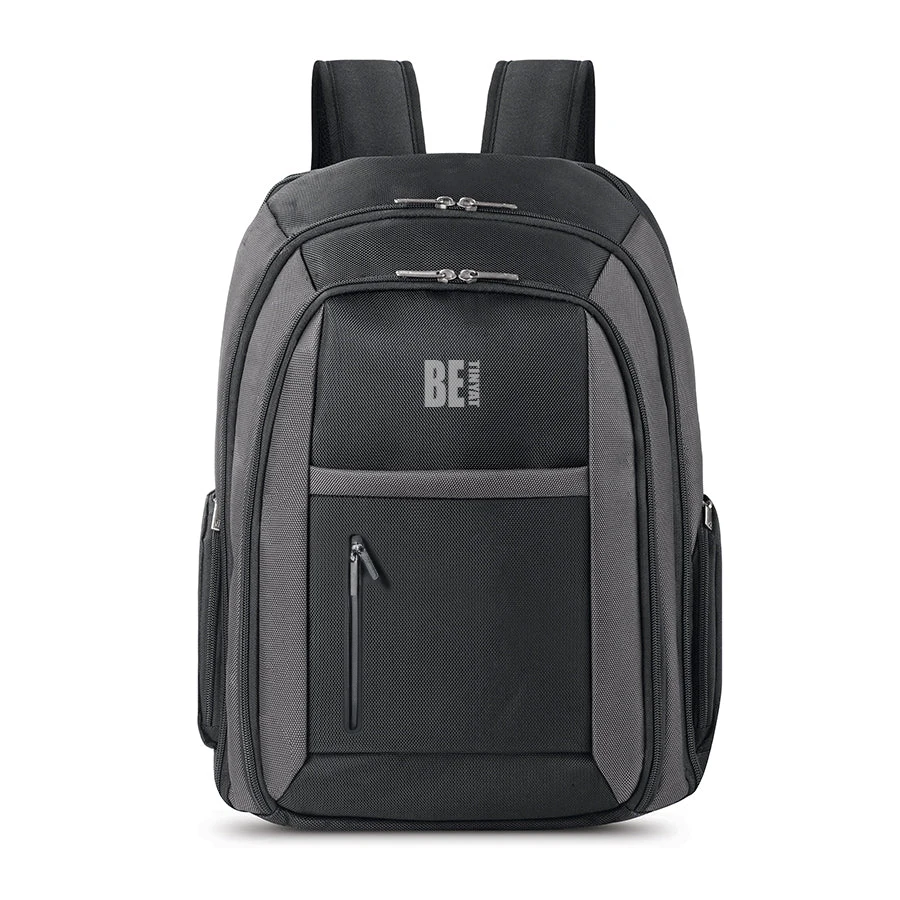
Shoulder straps carry the bag's full loaded weight against the wearer's body for extended periods. The webbing — the woven fabric tape that forms the structural core of the strap — must distribute that load without stretching, fraying at attachment points, or losing flexibility in cold temperatures.
Shoulder strap webbing is also one of the components most susceptible to cost-cutting. Switching from 50mm nylon webbing at 1.5mm thickness to 40mm polyester at 1mm thickness saves a few cents per bag. The wearer experiences the difference immediately: a narrower, thinner strap concentrates load, reduces comfort, and fails faster under daily use.
Nylon webbing has higher elongation at break (meaning it absorbs shock better before failing) and better knot strength than equivalent polyester webbing. For shoulder straps carrying 5–10 kg loads repeatedly, nylon webbing absorbs dynamic load variations — shifting bag contents, movement during wear — more effectively.
Polyester webbing has lower UV degradation than nylon — relevant for bags used outdoors frequently. Polyester also absorbs less moisture, which matters for bags used in rain or high-humidity environments where strap webbing may get wet.
For laptop backpacks used primarily in indoor commuting and office environments, either material is acceptable at adequate width and thickness. For travel or outdoor applications, nylon is the stronger choice.
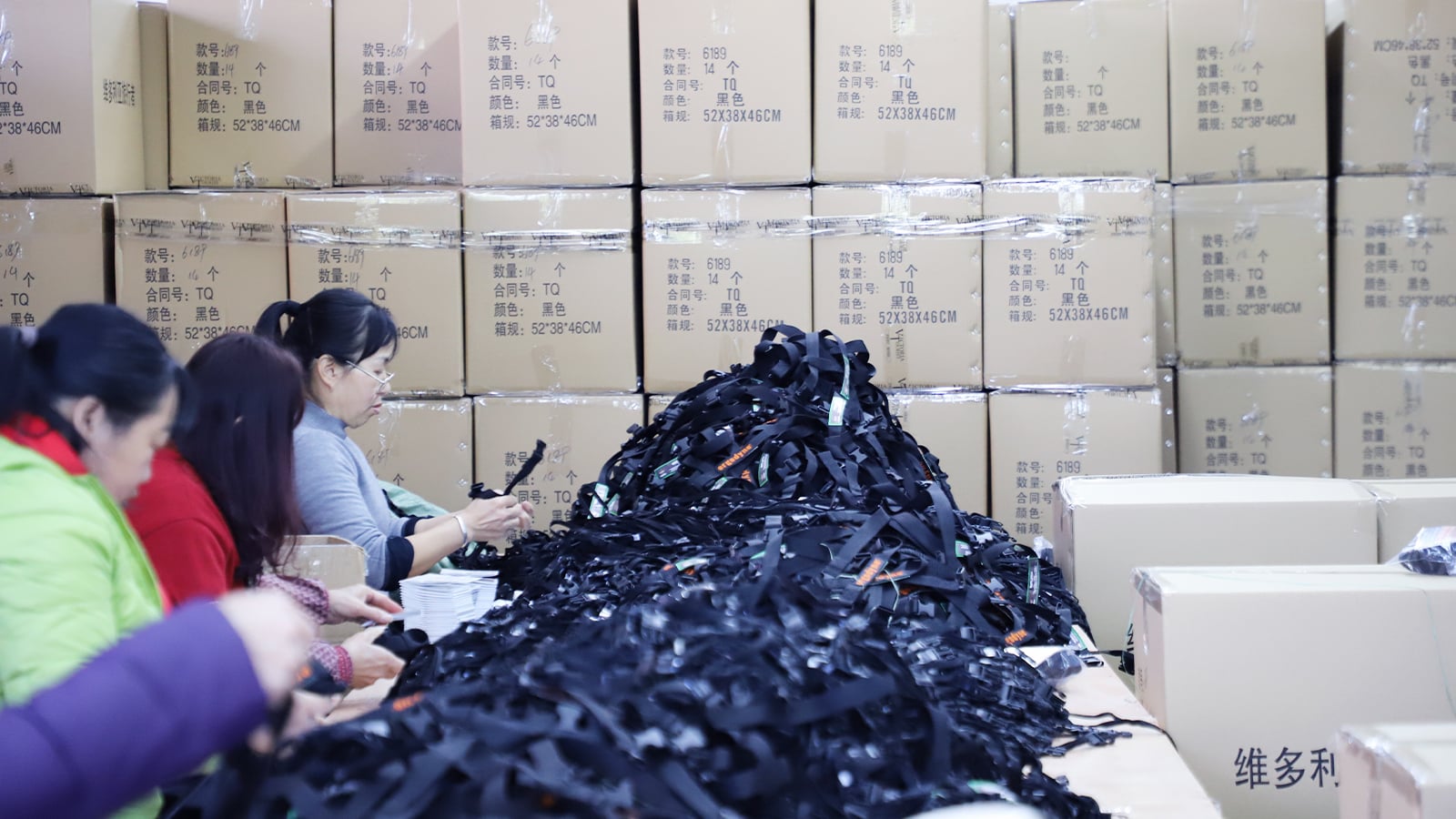
Shoulder strap webbing width should be a minimum of 38mm (1.5 inches) for a laptop backpack carrying a loaded weight of 3–7 kg. 50mm (2 inches) is the appropriate specification for bags carrying heavier loads or marketed for ergonomic comfort.
Webbing thickness below 1.2mm at 38mm width will stretch under daily load — the strap lengthens, the adjustment cannot be maintained, and the narrowing under tension increases pressure on the wearer's shoulder.
Load rating for shoulder strap webbing should be tested to a minimum of 150% of the expected maximum loaded weight. For a bag with a 10 kg capacity, specify webbing tested to 150N minimum.
Where strap webbing attaches to the bag body — at the top shoulder strap attachment and the bottom strap anchor — is the highest stress point in the entire bag structure. This is where webbing failures originate.
Box-X stitching (a rectangular perimeter stitch with an X pattern inside) is the standard reinforcement for load-bearing strap attachments. The stitch count matters: 8–10 stitches per inch is the minimum for a load-bearing connection. Below 6 stitches per inch, the thread density is insufficient to distribute load evenly, and stitch failures begin at the corners of the box pattern.
Request photographs of the strap attachment stitching from the production sample under magnification. Count the stitches per inch. This takes 3 minutes and catches the most common strap failure mode before production.
Padded shoulder strap sections use foam encased in fabric to distribute load and improve comfort. The foam density for this application should be in the 25–35 kg/m³ range — firm enough to provide consistent support but compliant enough to distribute pressure.
The outer fabric of the padded section should be breathable — mesh or perforated material — to reduce heat and moisture buildup against the wearer's shoulder. Full-coverage fabric on shoulder strap padding feels uncomfortable after 30–60 minutes of continuous wear.
Back panel strap attachment: if the bag includes a luggage pass-through sleeve (the horizontal band that slides over a rolling suitcase handle), specify that it is made from the same webbing material as the shoulder straps and reinforced with box-X stitching at all four corners.
 Hot News


 EN
EN