 ×
×
Corporate sustainability commitments have driven significant demand for recycled-material laptop backpacks. Procurement teams at large enterprises are increasingly required to source products with documented recycled content — and suppliers have responded with a proliferation of "recycled" product offerings.
The problem is that "recycled" on a product tag can mean almost anything. It can mean 100% post-consumer recycled content certified by a recognized third party. It can also mean a small percentage of recycled fiber blended into conventional polyester, with no third-party verification whatsoever. Buyers who accept the label without verifying the claim are exposed to greenwashing accusations and supplier audit failures.
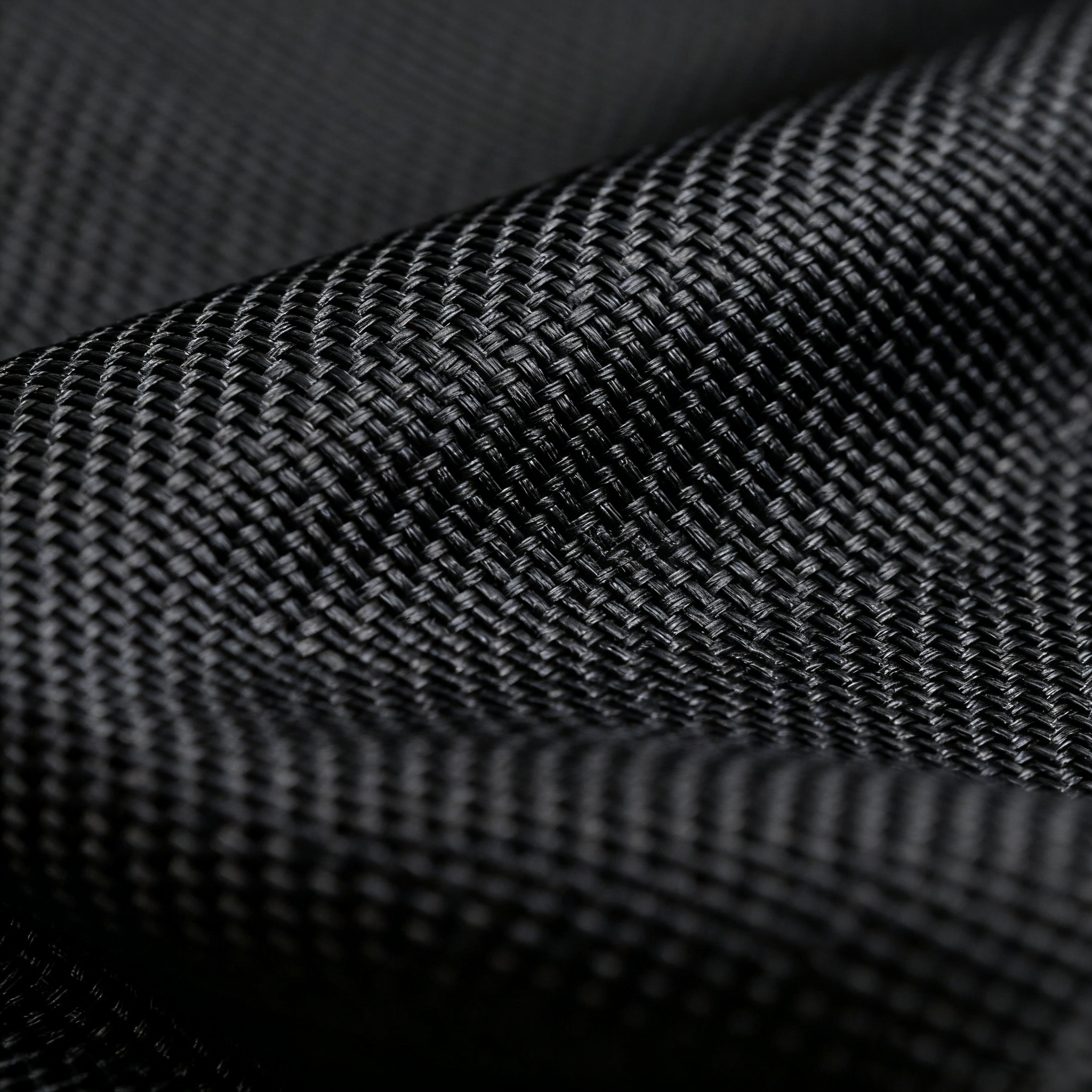
Recycled polyester (rPET) is manufactured by melting down post-consumer plastic — primarily PET bottles — and re-extruding it into polyester fiber. The resulting fiber is functionally equivalent to virgin polyester in most performance specifications. A 600D rPET fabric performs comparably to 600D virgin polyester in abrasion resistance, tensile strength, and UV stability.
The environmental benefit comes from diverting plastic from landfill and reducing the energy-intensive process of producing virgin polyester from petroleum. A 600D rPET fabric requires approximately 30–50% less energy to produce than equivalent virgin polyester, depending on the production efficiency of the specific mill.
Recycled nylon (rPA6) is also available but less common in laptop backpack production due to higher cost and more limited supply chain. It offers the same performance-equivalent profile as rPET.
The Global Recycled Standard (GRS) is the most widely recognized certification for recycled content claims. GRS certification means that a third party has audited the supply chain and confirmed that the certified percentage of material is genuinely recycled in origin.
GRS does not guarantee product performance. It certifies recycled content origin only. A GRS-certified fabric can still be low denier, poorly coated, and unsuitable as a laptop bag outer shell — the certification addresses sustainability claims, not durability claims.
When a supplier shows you a GRS certificate, ask whose certificate it is. A fabric mill GRS certificate confirms the fabric is recycled-content. A factory-level GRS certificate confirms the factory handles certified materials correctly in production. Both are meaningful; a factory-level certificate without a fabric mill certificate leaves the recycled content claim unverified at the source.
"Made with recycled materials" is the loosest possible claim — it is technically satisfied by 1% recycled content. "Made with 100% recycled materials" should mean the entire product (fabric, lining, padding, and hardware) is recycled-content, which is extremely rare and worth scrutinizing.
Industry practice for credible recycled-content claims: the outer shell fabric is 100% rPET, the lining is rPET, and hardware is excluded from the recycled-content claim (hardware recycled-content certification is rare and complex). This configuration allows a credible "outer shell and lining made with 100% recycled polyester" claim.
Ask for the fabric test report that documents recycled content percentage, not just the marketing claim. Reputable mills provide this documentation as a standard part of their product certification.
Request the GRS certificate number and verify it on the GRS database (Textile Exchange maintains a public registry). Certificates should show the certified entity, the certified product categories, and the certificate validity period.
Ask which specific components are covered by the recycled-content claim and which are not. Outer shell fabric, lining, and shoulder strap webbing are the most commonly certified components. Zippers, hardware, foam padding, and thread are rarely certified — and that is acceptable, as long as the claim accurately represents what is and is not recycled-content.
Document the recycled content claims in your purchase order and request that the supplier's quality documentation reference the specific GRS certificate for each production batch.
 Hot News


 EN
EN