 ×
×
When a factory says it has "strict quality control," it means the factory has internal processes to catch and remove defective units before shipment. It does not mean the factory's quality standard matches the buyer's quality standard. It does not mean the inspection criteria are documented and consistently applied. And it does not mean the rejected rate is acceptable.
Understanding what actually happens in a factory's QC process — and where that process typically breaks down — helps buyers design their own verification approach to complement the factory's internal systems.
Most laptop backpack factories use a combination of in-line inspection (checking work at each sewing workstation) and end-line inspection (checking completed bags before they move to packing).
In-line inspection is conducted by line supervisors or dedicated QC operators who check units at defined production stages — typically after major assembly steps. The check focuses on workmanship: seam alignment, stitching consistency, zipper function, and hardware attachment.
End-line inspection is conducted on completed bags before packing. At this stage, QC operators check dimensions, appearance, and function against the approved sample. A standard AQL (Acceptable Quality Level) inspection uses statistical sampling — inspecting a defined percentage of units and accepting or rejecting the batch based on the defect count in the sample.
Sampling plan application: Many factories use AQL 2.5 or 4.0 sampling plans without understanding the statistical implications. AQL 2.5 means accepting a batch with up to 2.5% defective units at the defined confidence level — not zero defects. Buyers who assume "passed QC" means "zero defects" are working with a misunderstanding that creates disputes later.
Inspection criteria documentation: Without a written inspection checklist tied to the approved sample, inspection quality varies by individual inspector. One inspector may pass a zipper that a different inspector would fail. Without documented criteria, the factory cannot train consistently or manage inspector performance.
Late production quality drift: Quality in mass production typically starts high (when line operators are fresh and focused on the new style) and drifts over time as the style becomes routine and line speed increases. End-of-production units are statistically more likely to contain defects than first-week production units. Inspecting only a sample from the final packed cartons may miss quality drift patterns.
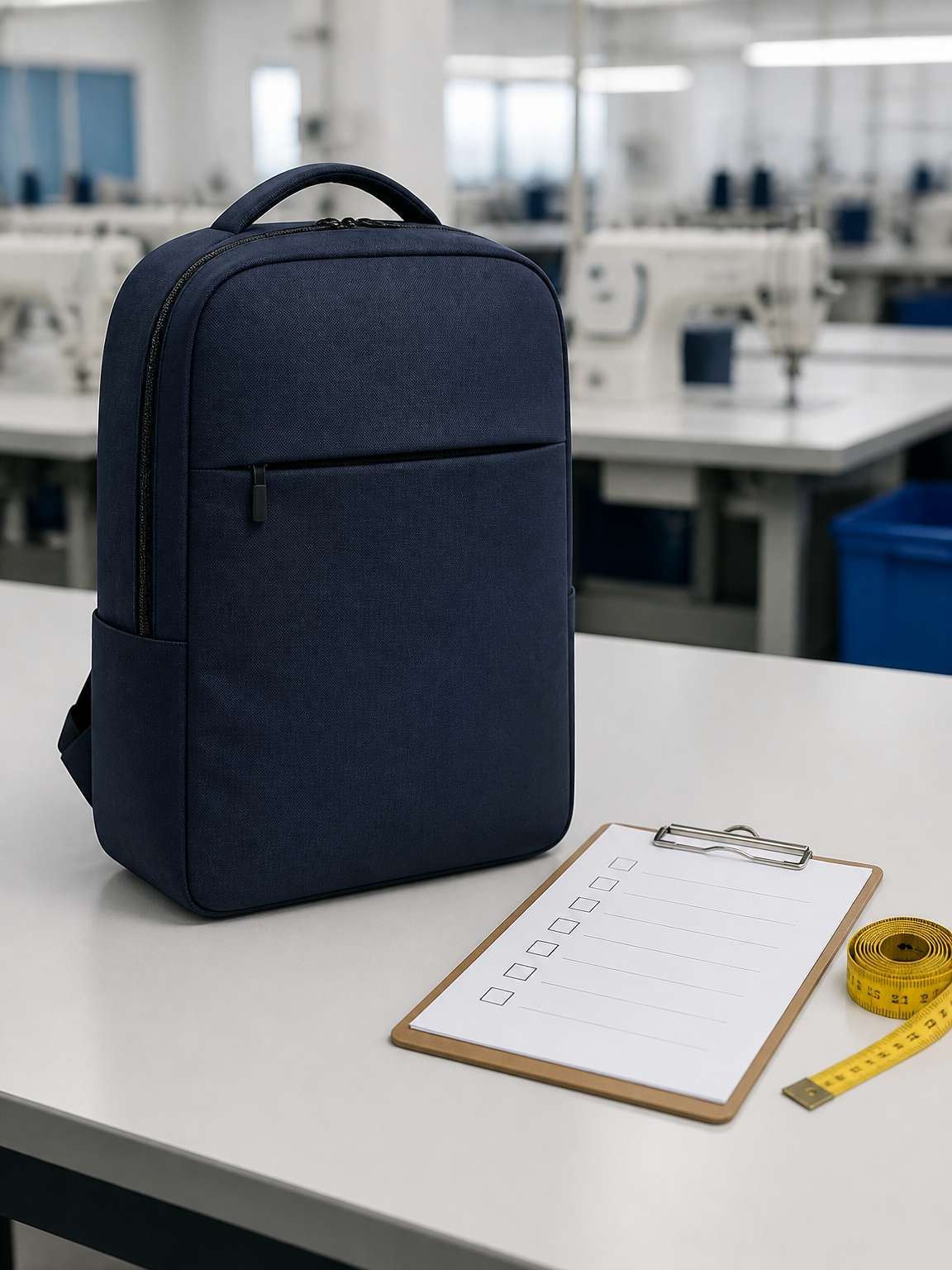
Pre-shipment inspection by a third-party inspection company (SGS, Bureau Veritas, Intertek, or equivalent) provides an independent quality check before shipment approval. The inspector visits the factory after production is 100% complete and packed, draws a random sample per AQL standard, and reports defect findings.
In-production inspection (during production rather than after) is more expensive but catches problems when correction is still possible. An in-production inspection at 30–50% completion allows defects to be addressed in the remaining production rather than discovered after all units are packed.
Define your own inspection criteria in writing and provide them to both the factory QC team and the third-party inspection company. Criteria should reference the approved PPS sample with photographs of acceptable and unacceptable conditions for each inspection point.
Every inspection generates data: defect type, defect location, defect frequency. Buyers who track this data across orders with the same factory identify systematic quality issues — not random defects, but patterns that indicate specific production weaknesses.
A factory that consistently produces zipper alignment defects on the right side of the main compartment has a specific workstation or tooling issue. Identifying this pattern allows the buyer to request a targeted correction — not a generic "improve quality" request, but a specific process change that addresses the root cause.
 Hot News


 EN
EN