 ×
×
Fabric testing for AZO dyes, heavy metals, and restricted substances is a standard part of most buyers' compliance processes. Hardware testing — for the metal buckles, zippers, D-rings, and adjustment slides on a laptop backpack — is less consistently required and represents a genuine compliance gap.
Metal hardware in prolonged skin contact is a specific regulatory concern under EU law. Zipper pulls, sternum buckles, and any hardware that the user's hands or neck contact regularly are subject to nickel release testing requirements.
EU Regulation (EC) 1907/2006, Annex XVII, Entry 27, restricts nickel release from metal items intended for prolonged skin contact. The test method is EN 1811 (reference test for nickel release from all post assemblies which are inserted into pierced parts of the human body and to articles intended to come into direct and prolonged contact with the skin).
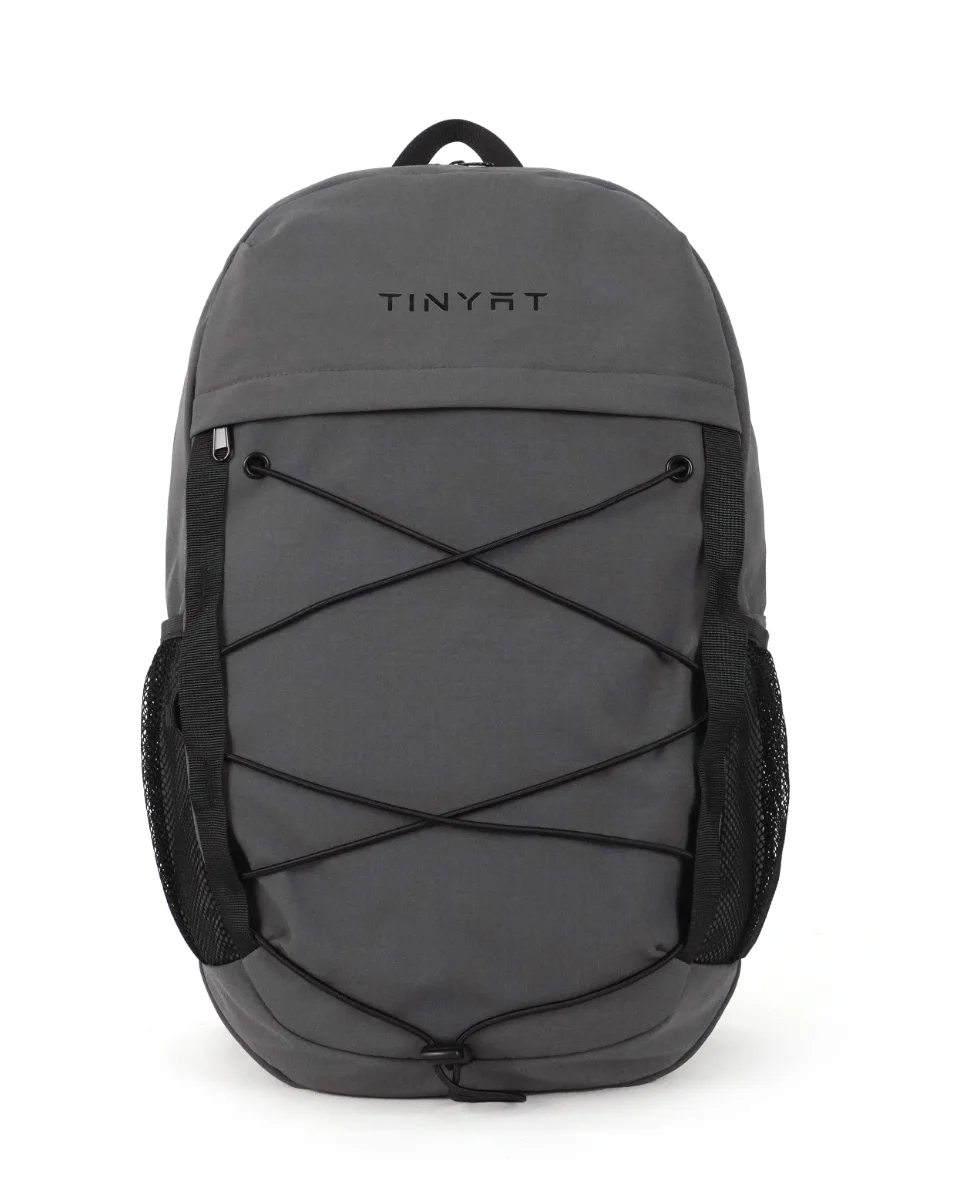
For laptop backpack hardware: sternum buckle, zipper pulls on straps, adjustment slides, and any hardware on the bag exterior that the user's hands regularly contact are potentially subject to nickel release testing.
The threshold is 0.5 μg/cm²/week for items in prolonged skin contact. Many electroplated metal alloys (particularly zinc alloy hardware with nickel plating or chrome plating over nickel undercoat) can release nickel above this threshold.
AZO dyes are associated with textile dyeing, but they are also used in colorant systems for plastics — including the injection-molded plastic components in laptop backpack hardware. The same AZO dye restrictions that apply to textile components apply to plastic hardware components in direct skin contact.
For colored plastic hardware (buckles, zipper pulls, slides), request AZO colorant testing per EN 14362 or equivalent. Black and navy hardware is particularly high-risk because these colors are commonly achieved using dye systems that can contain restricted aromatic amines.

Formaldehyde: less common in hardware than in textiles, but relevant for fabric-covered hardware components (padded strap hardware with fabric covering).
Heavy metals in surface coatings: lead, cadmium, and chromium (VI) are restricted in surface coatings in the EU. Electroplated hardware should have surface coating test results confirming compliance with restricted heavy metal limits.
Phthalates in plastic hardware: if hardware contains PVC components (some zipper tape, some flexible buckle parts), phthalate testing per EU Annex XVII Entry 51 is required.
For buyers who regularly source laptop backpacks with metal hardware, establish a hardware approved component list: specific hardware pieces from specific suppliers that have current compliance test reports. When production uses components from the approved list, testing is not required for each order. When new hardware components are introduced, require testing before production approval.
For initial supplier qualification: require a complete hardware test package (nickel release, AZO colorants, heavy metals in surface coatings, phthalates if PVC is present) for all metal and plastic hardware components before approving the supplier for EU market production.
 Hot News


 EN
EN