EN



The logo moves 4 mm, the lining changes from grey to black, the carton count goes from 20 to 24. Each request sounds small on a Monday morning email. By Thursday the fabric is cut, the logo plate is machined, and the carton printing plate is at the printer. Change management on a laptop backpack program is not about refusing changes. It is about knowing which changes are still free, which are expensive, and which will quietly move your ship date by two weeks.
Where the Cut-Off Points Sit
Every program has a sequence, and each step in that sequence closes a door. The doors matter more than the calendar date.
The BOM freeze closes first, typically 5 to 7 days after purchase order. After it, a fabric substitution is still possible but the mill allocation is released and a new roll may come from a different dye lot.
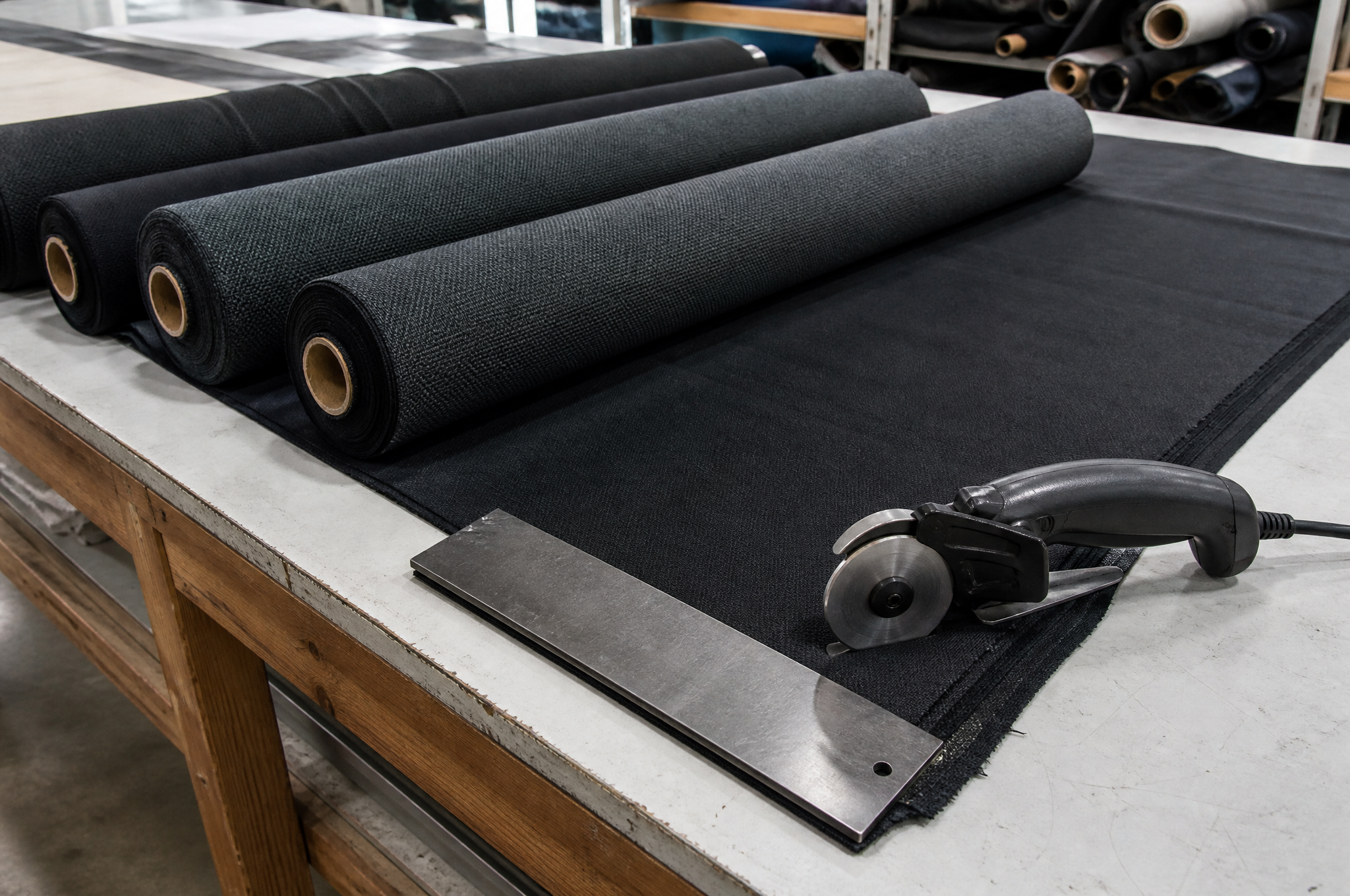
Tonsura textilis secunda clauditur, circa diem 10 ad 14, secundum magnitudinem ordinis et adventum rotarum. Postquam tabulae sunt sectae, materies consumitur. Mutatio formae post sectionem novas tabulas et residua requirit, et residua sunt centesima pars tabularum vetustarum.
Applicatio logi tertia clauditur. Morsus silicius aut metalliceus semel fabricatur; mutatio artis post fabricationem instrumenti novum instrumentum exigit, USD 80 ad 250, et 5 ad 7 dies. Logo impressum magis indulgens est, sed tametsi cernuum aut lamina renovanda sunt.
Impacatio et impressio cartonum ultima clauduntur, solito 7 ad 10 dies ante diem navigationis, quia cartones in partibus imprimuntur et sacculi polyethylenici per magnitudinem ordinantur.
In programma standardi quadraginta quinque dierum pro 3.000 unitatibus, nostrum tempus sic habet: BOM congelatur die 7, sectio die 12, instrumenta logi die 10 firmantur, ars cartonis die 30 debetur, nulla mutatio post diem 35 accipitur.
Pretium mutationis tardivae
Buyers underestimate late-change cost because the visible invoice line is small. The real cost sits in three places: material already consumed, capacity already booked, and the ship date.
Take a lining color change on 3,000 units at day 20, after cutting. The lining fabric for a 25 L bag runs about 0.55 meters per unit, so 1,650 meters are already cut. That lining is scrap unless another order can use it, which is rare on a custom color. The direct material loss lands near USD 0.30 per unit, and the rework to unpick and re-sew pockets adds USD 0.50 to 0.60 per unit on the affected share of the run.
Then the schedule. Pulling 3,000 units out of a live line to rework means the next order in the queue moves. Our line plan runs 3 to 4 programs in parallel; a mid-run rework of two days on one program pushes 8,000 to 10,000 pieces of other buyers' work. That is why factories resist late changes even when the buyer offers to pay for material.
The ship date is the cost nobody invoices. A two-week slip in September becomes a container that misses a retail set date, and a missed set date costs more than the entire change.
Who Pays for Rework, and Why It Should Be Written Down
The principle is simple and worth stating in the contract: whoever causes the change pays for it, and the factory quotes that cost before doing the work.
Buyer-driven changes are chargeable. This includes a design revision after sample approval, a quantity change after the material order, a packaging change after the carton order, and a correction of information the buyer supplied.
Factory-driven corrections are not chargeable. If the logo lands 41 mm from the edge when the approved position is 45 mm, or the zipper brand does not match the BOM, that is our cost and our schedule, and rework happens on our side of the invoice.
The gray zone is spec ambiguity, which is why a tech pack with tolerances protects both parties. Our measurement tolerance is plus or minus 2 mm on logo placement and plus or minus 5 mm on overall dimensions. A buyer who writes "logo centered" without a dimension has created a future argument.
One number that helps buyers plan: we quote a rework rate of USD 0.60 to 0.90 per unit for hand operations, and 100 percent of material cost for any component already cut. Those two figures cover most change scenarios a program will meet.
How a Written Change Order Should Look
An email thread is not a change order. A change order is one page, numbered, and it does four things.
It states the change in the same terms as the BOM or the tech pack, with version numbers on both. It states the cost impact as a delta against the purchase order, in both unit price and total. It states the schedule impact in working days and, critically, whether the ship date moves. It carries a signature from both sides and a date, because the date is what decides which version was in force when the line ran.
At Tianqin we issue a change confirmation within 24 hours of any request that touches material, tooling, or packing. It names the affected PO line, the new revision number, and the cost delta, and it says plainly whether we can still absorb the change or whether the ship date moves. We would rather send an unwelcome answer in a day than a surprise invoice in six weeks.
Nos etiam congelamus BOM in die septimo et photographiamus primum fasciculum sectum cum eius tagula rotuli. Haec imago finivit plus controversiarum quam quaelibet clausula, quia ostendit quid in productione erat in data die. Quanzhou Tianqin Bags Co., Ltd programmatas sacculos OEM et ODM per annos 17 administravit, et forma confirmatio supra existit quia mutationes verbales nobis etiam pecuniam abstulerunt.
Index Controlis Mutationum pro Emptoribus
Confirmare diem congelationis BOM in ordine emptionis, scripto
Confirmare ultimum diem approbationis artis logi ante fabricam utensilium
Confirmare terminum artis cartonum separatim a termino productionis
Exigere omnes petitiones mutationum scripto, ab uno contactu nominato
Exigere responsionem de pretio et programma intra 24 ad 48 horas
Exigere ut fabbrica declaret an dies navis moveatur, sic aut non
Approbare paginam tolerantiae in tech pack, in mm, ante productionem
Tenere logum revisionum cum diebus, et numquam approbare per phonem
Petere primum photographiaram seriem cum rotulorum notis in omni ordine
Confirmare qui solvat reparationem, in contractu, antequam prima mutatio accidat
Maxime communis defectus quem videmus non est mutatio male facta. Est mutatio inter producti magistrum emptoris et venditorem fabricae consensu inita, numquam scripta, et in ultima inspectione reperta, ubi neutra pars probare potest quid approbatum sit.
Ubi proprius processus tardus est
Una sincera limitatio: mutationes schematum post emissionem tabellae sectionis nobis plus temporis occupant quam mutationes textilium, quia fasciculus sectionis rursus ordinandus est et signum rursus per machinam automaticam sectionis tractandum. Apud Tianqin, rursum ordinatio in sacculum 40-panellarum dimidiam diem ingeniarii tempus consumit et 3 ad 5 dies ad schedulam addere potest, etiam si nullum materiale perditur. Semper hoc in confirmatione mutationis dicemus, non post eventum.
Mitte tuam sequentem mutationem antequam mandatum emptionis mittas
Si un programma iam est in cursu et un mutatio venit, mitte eum nunc potius quam ad impachationem. Scribito ad [email protected] cum numero PO et cum exacto articulo quem mutare vis; nos rescribemus de differentia pretii et de effectu in diebus expeditionis. Pro programmatibus adhuc in evolutione, possumus exempla dare intra 7 ad 15 dies negotiales et numerationem versionis firmare antequam productio massiva incipiat, quod periculum mutationis maxime tollit antequam exsistat. Lineae productorum et processus fabricae sunt in www.tianqinbag.com .


 Nuntii Calidi