EN



The logo moves 4 mm, the lining changes from grey to black, the carton count goes from 20 to 24. Each request sounds small on a Monday morning email. By Thursday the fabric is cut, the logo plate is machined, and the carton printing plate is at the printer. Change management on a laptop backpack program is not about refusing changes. It is about knowing which changes are still free, which are expensive, and which will quietly move your ship date by two weeks.
Where the Cut-Off Points Sit
Every program has a sequence, and each step in that sequence closes a door. The doors matter more than the calendar date.
The BOM freeze closes first, typically 5 to 7 days after purchase order. After it, a fabric substitution is still possible but the mill allocation is released and a new roll may come from a different dye lot.
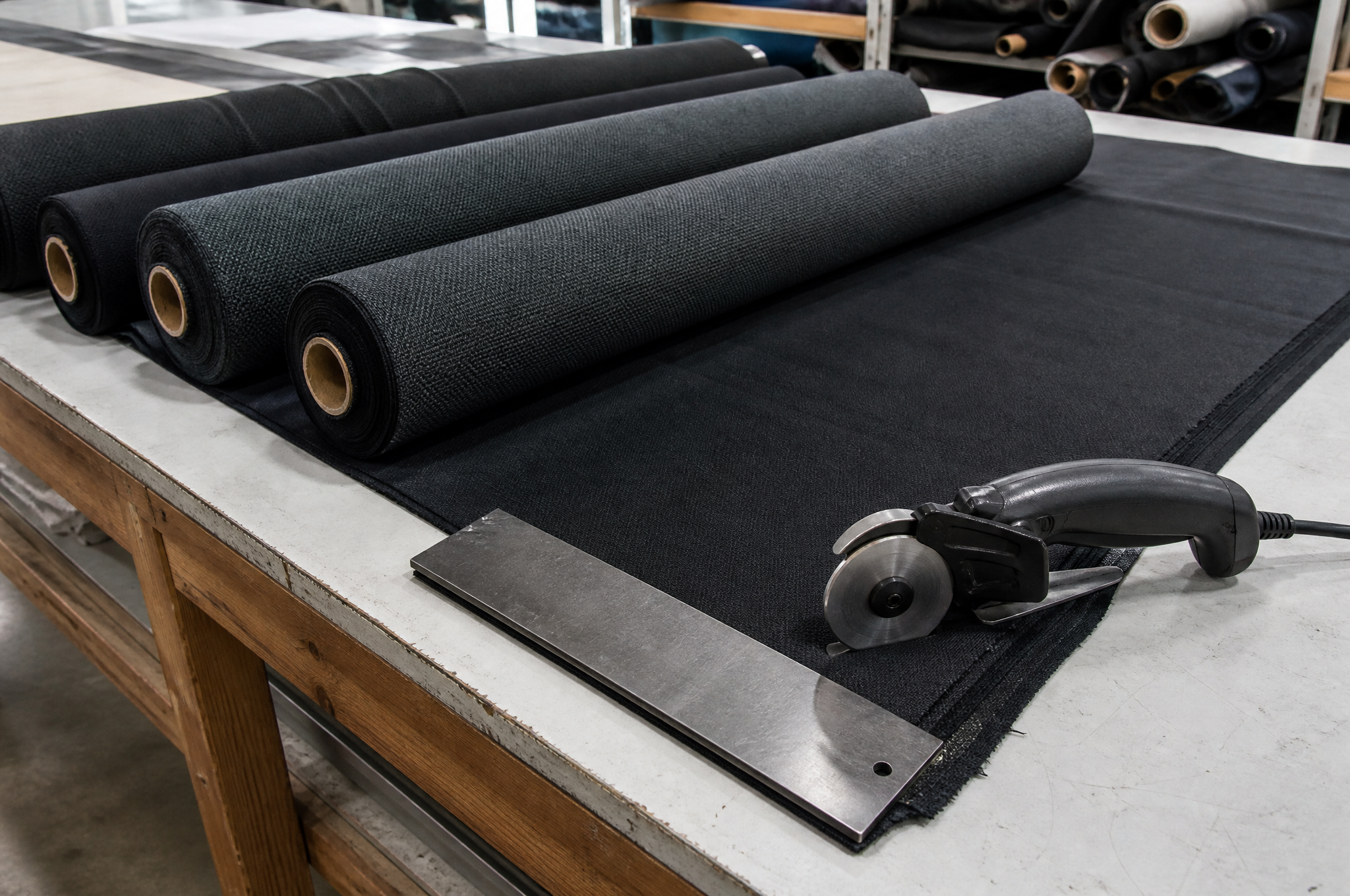
Fabric cutting closes second, around day 10 to 14 depending on order size and roll arrival. Once panels are cut, the material is consumed. A shape change after cutting means new panels and scrap, and the scrap is 100 percent of the old panels.
Logo application closes third. A silicone mold or metal die is machined once; changing the artwork after the tool is cut means a new tool at USD 80 to 250 and 5 to 7 days. A printed logo is more forgiving, but the screen or plate still needs remaking.
Packing and carton printing close last, usually 7 to 10 days before the ship date, because cartons are printed in batch and polybags are ordered by size.
On a standard 45-day program for 3,000 units, our schedule reads like this: BOM freeze at day 7, cutting at day 12, logo tooling locked at day 10, carton artwork due at day 30, no changes accepted after day 35.
The Cost of a Late Change
Buyers underestimate late-change cost because the visible invoice line is small. The real cost sits in three places: material already consumed, capacity already booked, and the ship date.
Take a lining color change on 3,000 units at day 20, after cutting. The lining fabric for a 25 L bag runs about 0.55 meters per unit, so 1,650 meters are already cut. That lining is scrap unless another order can use it, which is rare on a custom color. The direct material loss lands near USD 0.30 per unit, and the rework to unpick and re-sew pockets adds USD 0.50 to 0.60 per unit on the affected share of the run.
Then the schedule. Pulling 3,000 units out of a live line to rework means the next order in the queue moves. Our line plan runs 3 to 4 programs in parallel; a mid-run rework of two days on one program pushes 8,000 to 10,000 pieces of other buyers' work. That is why factories resist late changes even when the buyer offers to pay for material.
The ship date is the cost nobody invoices. A two-week slip in September becomes a container that misses a retail set date, and a missed set date costs more than the entire change.
Who Pays for Rework, and Why It Should Be Written Down
The principle is simple and worth stating in the contract: whoever causes the change pays for it, and the factory quotes that cost before doing the work.
Buyer-driven changes are chargeable. This includes a design revision after sample approval, a quantity change after the material order, a packaging change after the carton order, and a correction of information the buyer supplied.
Factory-driven corrections are not chargeable. If the logo lands 41 mm from the edge when the approved position is 45 mm, or the zipper brand does not match the BOM, that is our cost and our schedule, and rework happens on our side of the invoice.
The gray zone is spec ambiguity, which is why a tech pack with tolerances protects both parties. Our measurement tolerance is plus or minus 2 mm on logo placement and plus or minus 5 mm on overall dimensions. A buyer who writes "logo centered" without a dimension has created a future argument.
One number that helps buyers plan: we quote a rework rate of USD 0.60 to 0.90 per unit for hand operations, and 100 percent of material cost for any component already cut. Those two figures cover most change scenarios a program will meet.
How a Written Change Order Should Look
An email thread is not a change order. A change order is one page, numbered, and it does four things.
It states the change in the same terms as the BOM or the tech pack, with version numbers on both. It states the cost impact as a delta against the purchase order, in both unit price and total. It states the schedule impact in working days and, critically, whether the ship date moves. It carries a signature from both sides and a date, because the date is what decides which version was in force when the line ran.
At Tianqin we issue a change confirmation within 24 hours of any request that touches material, tooling, or packing. It names the affected PO line, the new revision number, and the cost delta, and it says plainly whether we can still absorb the change or whether the ship date moves. We would rather send an unwelcome answer in a day than a surprise invoice in six weeks.
We also freeze the BOM at day 7 and photograph the first cut bundle with its roll tag. That photo has ended more disputes than any clause, because it shows what was in production on a given date. Quanzhou Tianqin Bags Co., Ltd has run OEM and ODM backpack programs for 17 years, and the confirmation format above exists because verbal changes have cost us money too.
A Change Control Checklist for Buyers
Confirm the BOM freeze date in the purchase order, in writing
Confirm the last date for logo artwork approval before tooling
Confirm the carton artwork deadline separately from the production deadline
Require all change requests in writing, from one named contact
Require a cost and schedule reply within 24 to 48 hours
Require the factory to state whether the ship date moves, yes or no
Approve a tolerance page in the tech pack, in mm, before production
Keep a revision log with dates, and never approve by phone
Ask for the first-cut photo set with roll tags on every order
Confirm who pays rework, in the contract, before the first change happens
The most common failure we see is not a change gone wrong. It is a change agreed between a buyer's product manager and a factory salesperson, never written down, and discovered at final inspection when neither side can prove what was approved.
Where Our Own Process Is Slow
One honest limitation: pattern changes after the cutting ticket is issued take us longer than a fabric change, because the cutting file has to be re-nested and the marker re-run on the automated cutter. At Tianqin, a re-nest on a 40-panel backpack takes about half a day of engineering time and can add 3 to 5 days to the schedule even if no material is wasted. We will always say this in the change confirmation rather than after the fact.
Send Your Next Change Before You Send the PO
If a program is already running and a change is coming, send it now rather than at packing. Write to [email protected] with the PO number and the exact item you want to change, and we will reply with the cost delta and the ship-date impact in writing. For programs still in development, we can sample in 7 to 15 business days and lock the revision numbering before bulk starts, which removes most of the change risk before it exists. Product lines and factory process are on www.tianqinbag.com.

 Hot News