
 EN



Year one with a new supplier is easy. The samples arrive, the price looks right, and nothing has gone wrong yet. The real test comes in year two, when a container lands with a problem and you find out how the factory behaves under it. Choosing a custom laptop bag manufacturer is a judgement about that week rather than about the sample, and there are ways to test for it before you commit.
A Partner Is Judged In A Bad Week, Not A Good Sample
Every factory presents well when an order is running to plan. The information that predicts future behaviour comes from three less comfortable moments.
The first is a specification the factory thinks is a mistake. Does anyone say so, or does the order simply get built as written and fail later? A factory that has never disagreed with a buyer is not careful, it is agreeable, and agreeable factories are expensive at the second reorder.
The second is a delay. Every factory has one eventually. What matters is whether you hear about it in week one of the problem or in the week the container was due, and whether the message arrives with options attached.
The third is a claim. A factory that answers a defect complaint with a teardown, a cause and a proposed fix is a partner. One that answers with a discount on the next order is closing a conversation rather than solving a problem.
You can test all three before placing a large order. Send a specification with one deliberate tension in it, such as a 9 kg load rating on a bag that is priced for a light structure, and see whether anyone raises it.
Five Signals That Separate A Partner From A Vendor
These are the signals we would look for on the other side of the table, and they are all checkable in two conversations.
A named program owner: one person who knows your account, not a shared inbox
Engineering feedback you did not ask for, delivered before sampling rather than after
Tooling custody: a written answer on who owns the pattern, the dies, and the logo mould
Staff continuity: whether the person running your program was there two years ago
An after-sales record: claim responses, response times, and what was actually done
The third signal is the one buyers skip. A pattern that lives with the factory rather than with the buyer is leverage the buyer does not have, and it only matters when the relationship ends. Ask for the answer in writing with the quotation, not in a later agreement.
Staff continuity sounds like small talk and is not. A factory with high turnover in its merchandising team loses the memory of what your last three orders got wrong, and you re-teach it every season at 0.5 percent of margin each time.
What A Custom Laptop Bag Manufacturer Should Tell You Unasked
A good partner describes its own limits before you find them. On a first call we volunteer four things that many suppliers leave out.
What we do not make: no hard plastic moulding in house, no printed circuit work, no leather tanning
How a material substitution is handled: a written deviation request before production, with a swatch for approval
Who signs the inspection report, and whether that person is independent of the line
What the realistic capacity position is in the month you want to produce
The capacity answer is the most revealing. A factory that says it is booked solid in your target month and offers the following one is telling you it plans rather than promises. A factory that says any month is fine either has an empty order book or has not checked.
We also send a capability statement with every first quotation. It runs to one page and lists the equipment, the lines, the materials we hold in stock, the tests we run and the tests we send out. Buyers who compare two of those pages side by side learn more than they do from two catalogues.
The cost of getting this wrong
Switching suppliers mid-program is not a neutral decision. A new factory needs a new sample round at 7-15 working days, a new pattern if the old one cannot be transferred, and a new approval cycle with your own customers. On a 2,000 unit program, a switch typically costs six to nine weeks and a full tooling repeat.
That is why the evaluation is worth doing properly at the start rather than fixing later. The money is not in the unit price difference of a few cents, it is in the cost of a season spent managing a supplier who cannot hold a date.
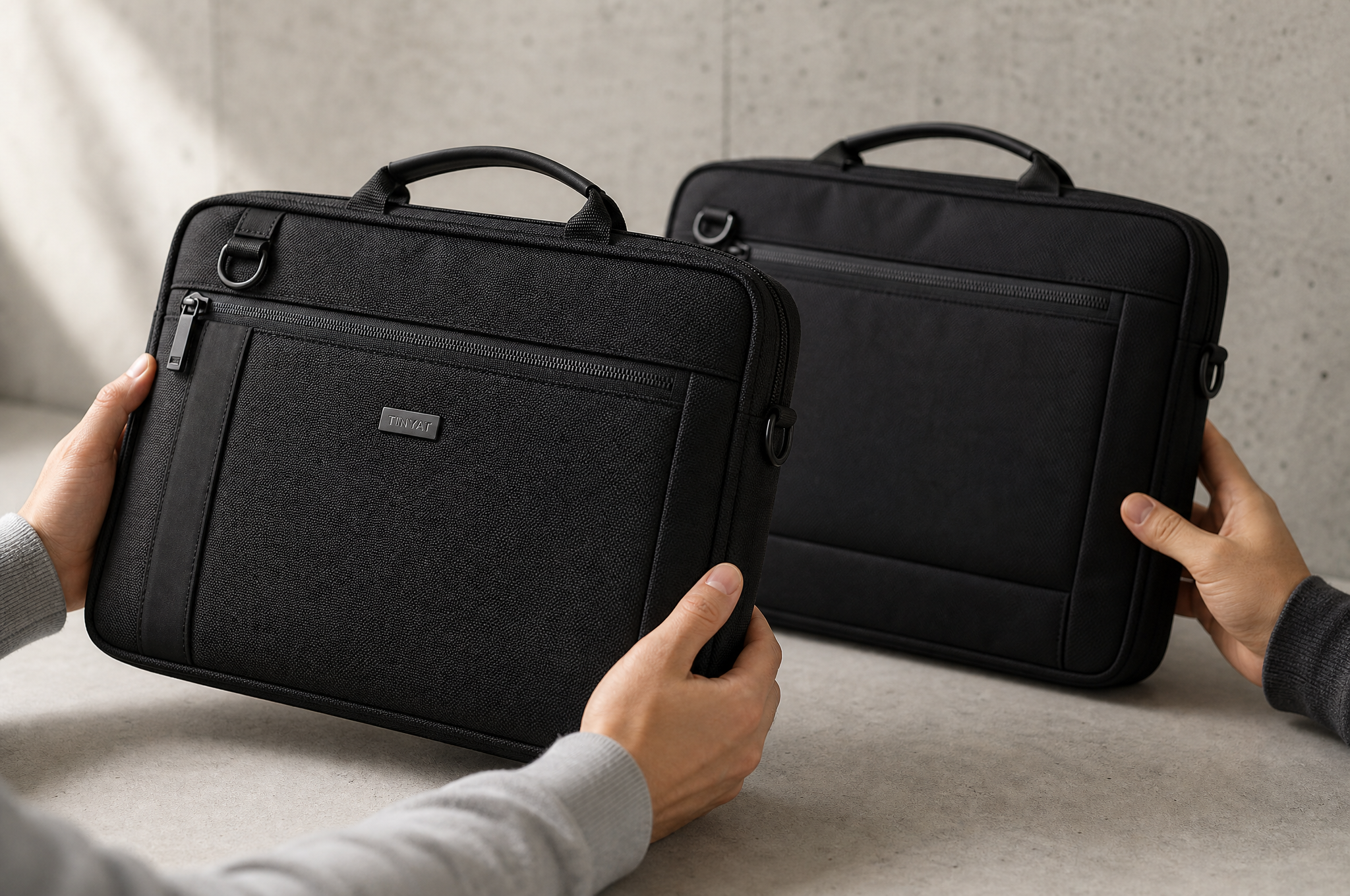
A Partner Evaluation Sheet
Use these lines as a conversation script rather than a form to send.
Program owner: named, with a direct email and a stated backup
Response record: average reply time over the last 20 enquiries, roughly
Engineering input: an example of a specification this factory argued against
Tooling custody: pattern, dies, and logo mould owned by the buyer, confirmed in writing
Subcontracting: which operations leave the factory, and who tests them
Staff continuity: tenure of the merchandising and QC leads
After-sales: last three claims, cause found, fix applied
Capacity position: the specific month, stated as booked or open
Deviation process: written request, swatch approval, no silent substitution
Escalation: the name above the program owner, and when to use it
Exit terms: what happens to patterns and tooling if the relationship ends
Volume floor: the smallest order the factory can support without losing money
That last line protects both sides. A factory that takes 150 units to win an account and loses money on the order will recover it somewhere, usually in the third shipment.
Where Partnerships Actually Strain
Two strains are predictable and worth naming before they happen.
The first is the reorder gap. Between the first and second order there is usually a quiet period, and during it the factory is running other programs. Buyers who assume the second order will run at the same speed as the first discover that the queue has changed. We hold a material plan per colourway after the first order for exactly this reason, but it holds only while the colourway does not change.
The second is the small-order problem, which is honestly a limit rather than a service failure. Below about 300 pcs per colourway, a factory cannot assign a fixed line, hold a material plan, or offer the same response speed, because the order does not carry the cost of that attention. A partner will say this at the quotation stage. A vendor will say yes and then behave like a factory with a small order.
What the buyer sees at month nine
From your side, the relationship has a shape that only becomes visible over time. In month nine you know whether the emails come from one person or five, whether the last defect was explained or discounted, and whether the price held when the fabric cost moved. None of that appears in a sample box, and all of it decides whether the second year is easier than the first.
Ask For The Program Owner's Name
Before you compare prices, ask who will run your account, what their last three claims looked like, and which parts of the bag the factory would own after you leave. Those three answers separate a partner from a vendor faster than any catalogue.
Contact [email protected] or visit www.tianqinbag.com to request samples, get a factory quote, or start an OEM/ODM project with Quanzhou Tianqin Bags Co., Ltd. Sampling lead time is 7-15 working days, and we send a one-page capability statement with the first quotation. Seventeen years of bag manufacturing in Quanzhou, exports to more than 50 countries, SGS test reports covering REACH, CPSIA and Prop 65 on request.



 Hot News


