
 EN



A buyer asked us last quarter why the same carton of 25 L backpacks cleared in Hamburg at 3.7 percent duty and in Los Angeles at roughly 42 percent all-in. Nothing about the bag changed. The difference was the destination tariff schedule, one line of classification, and the additional measures stacked on the base rate. Getting the code wrong does not just cost money. It stops the container.
Where a Backpack Sits in the Nomenclature
Laptop backpacks live in Chapter 42, heading 4202, which covers trunks, suitcases, vanity cases, executive cases, briefcases, school satchels, and similar containers. The heading is function-based, not laptop-based. A padded 15.6 inch compartment with 8 mm EVA foam changes nothing about the chapter. It is a bag for carrying personal effects, and it classifies as one.
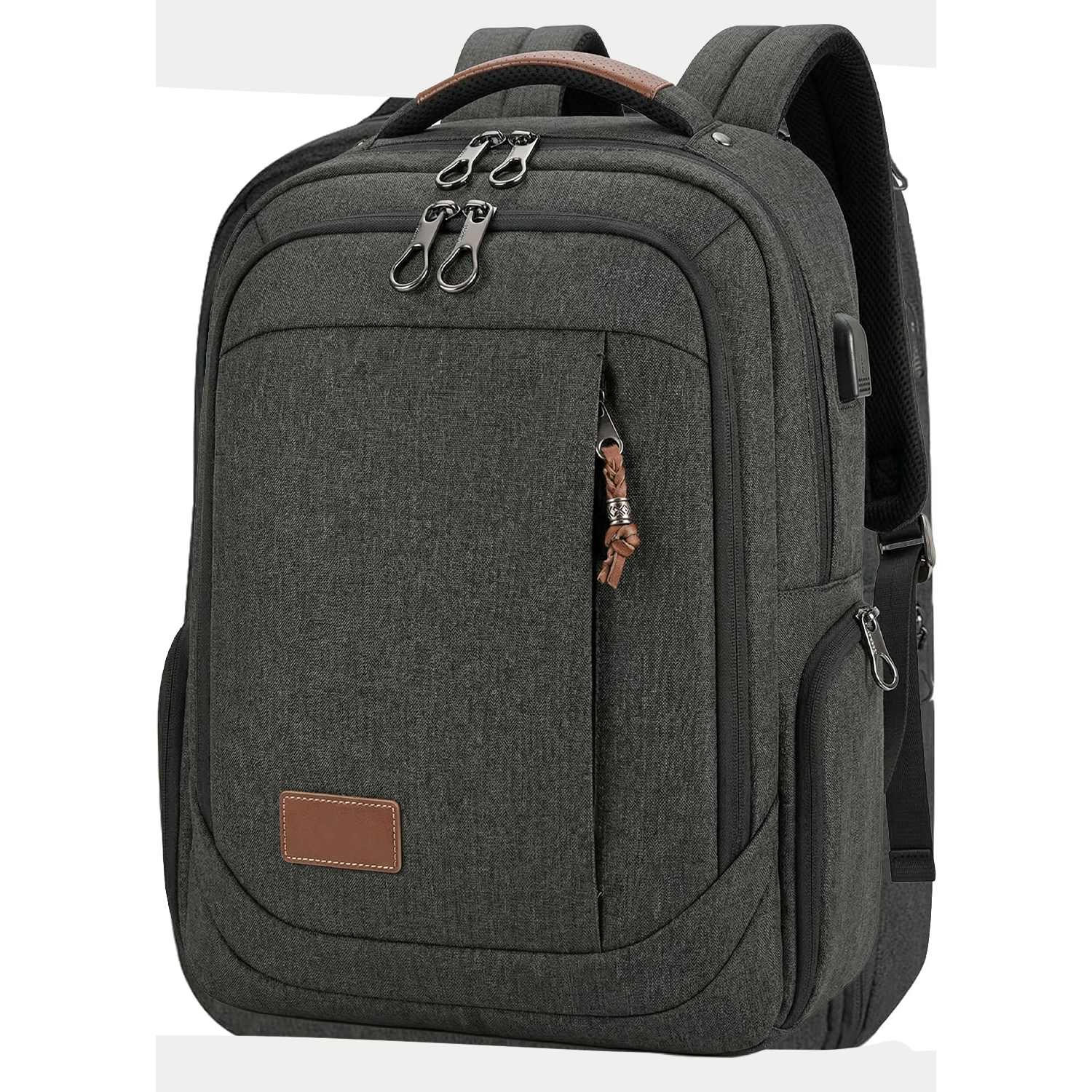
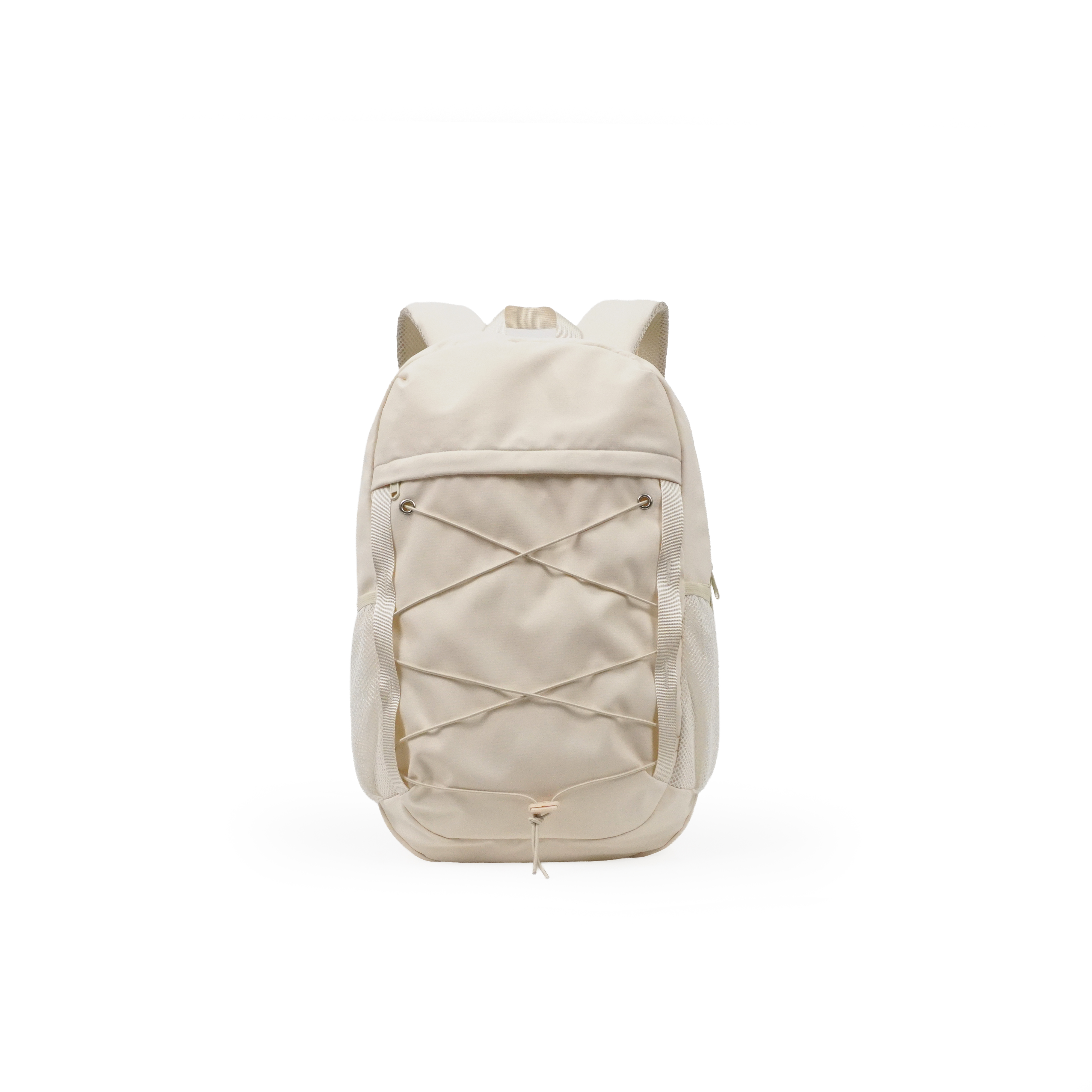
The next level is material. Subheading 4202.92 covers containers with an outer surface of sheeting of plastics or of textile materials. Almost every soft laptop backpack in the market falls here, because almost every one is built on 600D Oxford polyester or 1680D ballistic nylon.
The national level is where the money appears. In the US, the 10-digit statistical suffix commonly used for backpacks is 4202.92.3120, and the general duty rate there is 17.6 percent. In the EU, the equivalent line sits under 4202 92 91 with a conventional duty rate of 3.7 percent. The spread between those two figures is more than thirteen percentage points on the same physical product.
That is before anything is added.
Why Two Similar Bags Get Different Rates
Classification follows the outer surface material, and the outer surface is not always what the label claims.
Consider three bags built in the same factory. The first is a plain 600D polyester commuter pack with a polyurethane back coating on the inside. The outside is textile, so it stays in 4202.92 and takes the textile rate. The second is the same pattern with a visible PU film laminated to the face, which a customs officer can see under a light. Some administrations will treat that as sheeting of plastics, which can move the good to a different statistical line and occasionally a different rate. The third is a cooler backpack with a foil-lined insulated compartment, which may classify elsewhere entirely depending on how the essential character is argued.
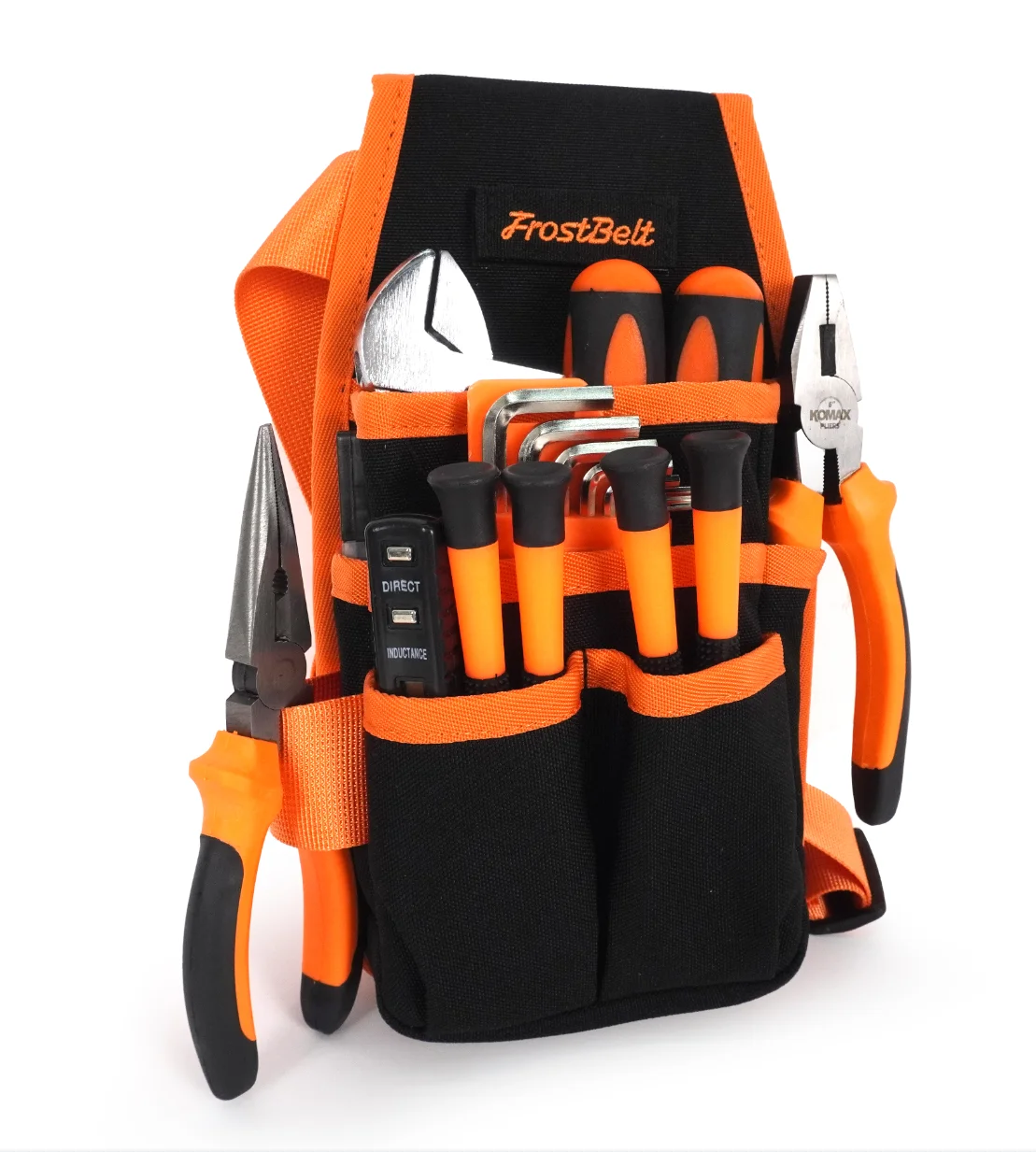
Function words in the marketing copy do not decide the code. "Tool backpack," "camera bag," "diaper backpack," and "laptop bag" all sit in the same heading when the outer surface is textile, because 4202 is written around the container, not the contents. Buyers sometimes assume that a tool backpack belongs with hand tools in Chapter 82. It does not.
One rule worth knowing: when a bag is imported with a removable laptop sleeve or a detachable accessory pouch, the set is generally classified by the component that gives it essential character, which is the bag. Do not expect to split the value across two codes to lower the average rate.
A separate trap: a backpack designed and marketed for children under 12 is a children's product in the US and falls under CPSIA testing, tracking labels, and certificates of compliance. An adult commuter bag of identical construction does not. The code can be the same and the compliance burden completely different.
What Gets Added on Top of the Base Rate
The 17.6 percent general rate is a starting point, not a final number, for China-origin goods entering the US. Additional Section 301 duties have applied to bag lines since 2018, at rates that have been revised more than once, so the applicable figure depends on the 10-digit code and the entry date. On top of that, the merchandise processing fee adds roughly 0.35 percent with a minimum and a maximum that adjust each fiscal year, and the harbour maintenance fee applies to ocean cargo at a small percentage of value.
Add it up on a 25 L bag at 18.50 USD FOB and the duty line alone can run from 4.65 to 7.88 USD per piece. That is 25 to 43 percent of the goods value going to duty, before freight.
The EU works differently. There is no Section 301 equivalent on bags, so the 3.7 percent conventional rate is close to the whole customs burden. Import VAT is the larger number at 19 to 27 percent depending on member state, but VAT is normally recoverable for a VAT-registered importer, which makes it a cash flow item rather than a cost. Buyers who compare a US landed cost against an EU landed cost without separating recoverable VAT from non-recoverable duty draw the wrong conclusion about which market is cheaper.
Rates are policy, not physics. Treat every number above as a checkpoint to verify with a licensed broker against the entry date, not as a fixed input for a three-year model.
Documentation Errors That Stall an Entry
Most customs delays we hear about are paperwork problems, and most of them are avoidable at the invoice stage. These are the ones that appear most often on backpack shipments.
Fiber composition stated loosely. "Polyester" is not enough when the entry needs percentages. A 600D shell with a 210D lining and a polyester mesh is three components and should be declared as such.
Outer surface described inaccurately. If the invoice says textile and the officer can see a plastic film, the entry is questioned and the shipment sits.
Country of origin missing from the article. US rules require marking on the good itself where it is practicable, not only on the carton.
Value that does not reconcile. Splitting a unit price into a goods line and a suspiciously separate "mould charge" invites a valuation query and a request for the full payment record.
Quantity mismatch between invoice, packing list, and carton markings. A packing list in pieces against an invoice in dozens will stop a release for a day while someone counts.
A six-digit code on the invoice when the destination entry runs on ten digits. The broker guesses, and the guess becomes your entry.
Missing importer identifiers on the EU side, such as an EORI number, or a REACH statement absent from the technical file.
The cost of a stalled entry is not the delay itself. It is demurrage and storage, which can run 85 to 150 USD per container per day at some terminals, plus the inland trucking that has to be rebooked and the retail window that quietly closes.
A Classification Checklist
Run this before your first shipment and again whenever the material changes.
Record the outer surface material, the visible coating, and the fiber percentages for every component.
Match the 10-digit destination code to that material, not to the marketing name of the bag.
List base duty, additional trade measures, and fees as three separate lines on your landed cost sheet.
Ask your broker whether a binding ruling or tariff information decision is worth the weeks it takes on a large program.
Keep test reports, such as SGS reports, and composition sheets in the same folder as the invoice.
Confirm origin marking on the article, the hangtag, and the carton, and photograph all three.
Re-check the additional duty position at every purchase order, not once a year.
Put the Code on the Quotation
At Tianqin, every SKU carries a material composition sheet that lists the outer shell, lining, mesh, coating, and hardware by percentage, and we attach the HS code we have shipped that SKU under to the commercial invoice so the broker is not working from a guess. When a buyer's broker proposes a different code, we send photographs of the actual outer surface and the material test report the same day, because that conversation is faster with evidence than with opinions. On request we provide SGS test reports for restricted substances and physical performance.
Our limitation is straightforward. We are a manufacturer and exporter of bags with 17 years of shipping history, and we can tell you which codes our cargo has cleared under and what rate applied. We cannot issue binding classification advice, and we will not sign a document that pretends otherwise. That call belongs to a broker in your jurisdiction.
Send your destination market and SKU list to [email protected] and we will return the composition sheet, the code history for that construction, and an FOB quotation you can hand to your broker. Sampling takes 7 to 15 business days, which is enough time to settle material questions before the entry is filed. Current product lines and factory details are at www.tianqinbag.com.
 Hot News


