
 EN



A 40HQ container of 6,400 laptop backpacks arrives in Hamburg with 118 cartons crushed, 42 units missing, and a water stain across the top tier. The carrier claim is filed three weeks later, supported by four photographs taken on a phone and a handwritten tally. It settles at 19 percent of the value claimed. The other 81 percent was not lost in transit - it was lost in paperwork.
Photograph The Shipment Before It Leaves The Container
Damage claims live or die on the state of the packaging at the moment it changed hands. Build a photo set that proves that state.
Container number and seal number, photographed together and legible
Container doors open, showing the load pattern and any dunnage
The full carton wall from the door, so a damaged section can be located in the stack
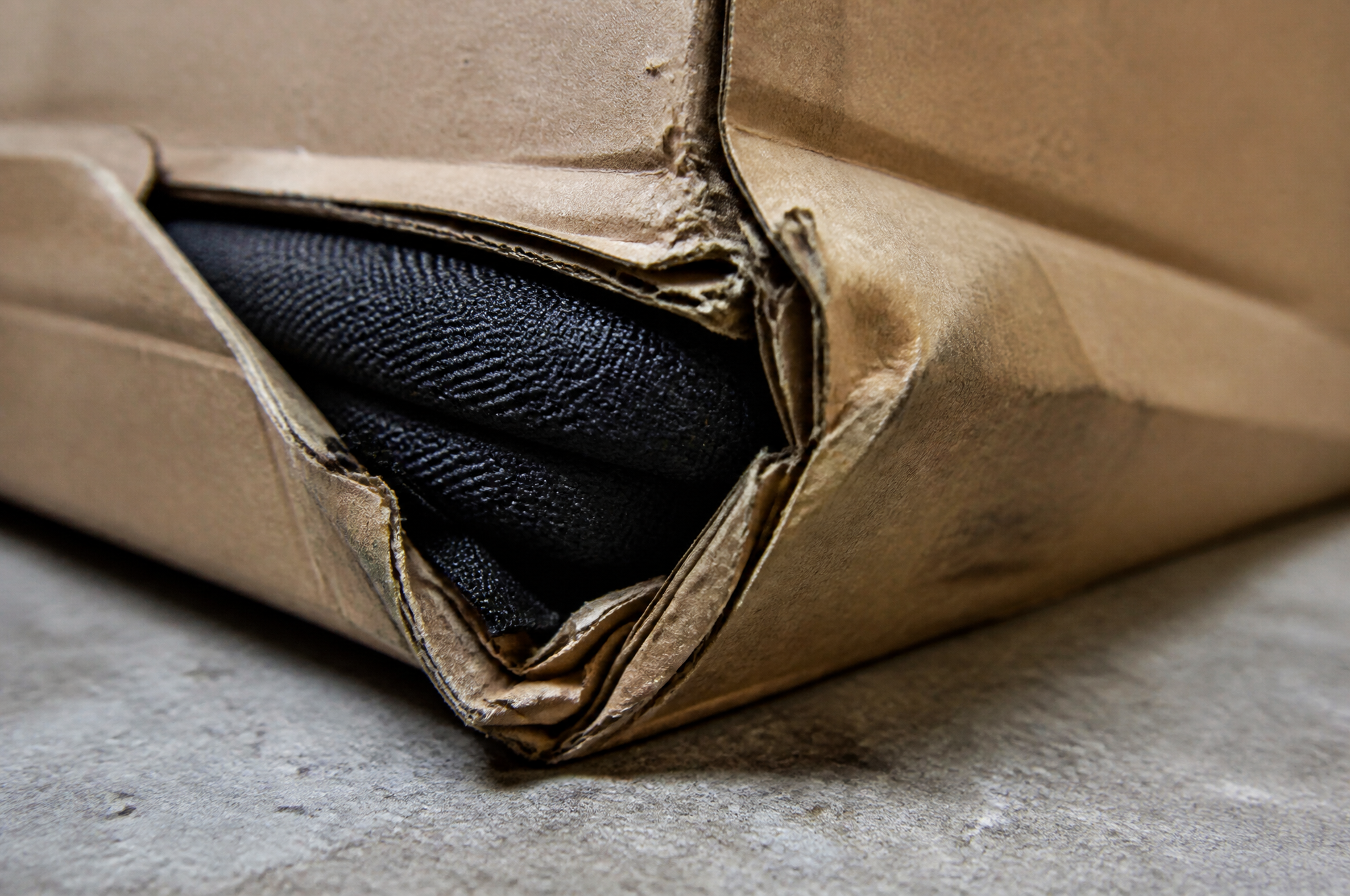
Every crushed or wet carton, with the carton label visible in the same frame
Close-up of the damage with a rule or tape measure in shot
Pallet wrap and strapping condition, if palletised
Warehouse floor placement, showing whether cartons were stacked above the rated tier
The measurement in shot is the detail that decides value. "Crushed carton" is an opinion. "Carton 5 of 8 compressed from 420 mm to 385 mm with a torn panel across 300 mm" is a number a claims adjuster can accept. We photograph every loading on our side for this reason, and we send the set with the shipping documents rather than keeping it in a folder.
Counts And Shortage Claims
Shortage is the claim type most often filed late and won least often. Three habits change that.
Count at carton level at receipt, not after put-away. A shortage found after the stock has been mixed into a bin is a warehouse variance, not a transit shortage.
Count in the presence of the carrier's representative where the delivery is LCL or palletised, and record the count on the delivery receipt before signing. A clean signature followed by a shortage email two days later is a weak file.
Record the carton count against the packing list line by line, with the packing list version number. Our packing lists carry the carton range, units per carton, and gross weight per carton, so a discrepancy is a subtraction rather than an investigation.
The arithmetic matters at scale: 6,400 units at 10 per carton is 640 cartons. A shortfall of 4 cartons is 40 units and, at an FOB of 8.90 dollars, 356 dollars of goods. The freight and labour of proving it often exceeds the value, which is why most shortage claims under 500 dollars are absorbed rather than filed. Know that threshold before you start, and count it as a cost of doing business instead of a dispute.
AQL References In Claim Files
An inspection report without an AQL reference is an anecdote. The standard reference buyers use on backpack programs is AQL 2.5 for major defects and 4.0 for minor, at General Inspection Level II, on a lot sampled per ISO 2859-1. When a claim file cites that clearly, the conversation moves to whether the defect was present at inspection rather than whether it was serious.
State the sampling plan, the lot size, and the accept and reject numbers
Attach the defect classification list used, because "major" and "minor" are defined per program
Keep the inspection date and the inspector's name in the file
Reference the same AQL in the purchase order, so the claim inherits the standard automatically
Keep the retained samples, typically one carton per 1,000 units, for 90 days after shipment
The limitation is real and worth stating: AQL sampling accepts that a defined percentage of defective units will ship. On a 6,400 unit lot at AQL 2.5, an accepted inspection can still contain well over 100 units with major defects at the upper boundary. A claim that says "we found 40 defective" is therefore not automatically a supplier liability. That is why the retail claim and the transit claim need separate files with separate standards.
Carrier Liability Limits And Time Bars
Freight liability is not insurance, and the gap surprises buyers who assume it is.
On sea freight, the package limitation under the Hague-Visby framework is commonly calculated at 2 SDR per kilogram of gross weight, or 666.67 SDR per package, whichever is higher, unless a higher value is declared. A 640 carton shipment at 12 kg per carton weighs 7,680 kg, which at 2 SDR per kilogram gives a ceiling that is often below the invoice value of the goods. The declared value option exists and costs money, and most buyers do not take it.
Air freight moves under the Montreal Convention, with a limit near 22 SDR per kilogram in most jurisdictions, which on a light, high-value backpack load is usually more generous than the sea limit but still capped.
Time bars are the killer. Cargo damage claims are typically notified within 3 days of delivery for apparent damage and 15 days for latent damage in many sea carriage regimes, with the formal claim and suit filing periods running to 1 year. Warehouse-to-warehouse cover only applies if the buyer bought it. Two sentences belong in every import procedure: photograph before signing, and notify within 3 days in writing even if the extent is unknown.
What our loading records cover
At Tianqin we photograph the container before the doors close and record the carton count, the tier height, and the dunnage used. That record proves the condition at origin, which is what a carrier claim needs to place liability in transit. It does not prove the condition on arrival, which is why the receiving photo set matters just as much and is taken by someone who is not us.
An Evidence Pack That Gets Paid
Assemble the pack in this order and most adjusters stop asking questions:
Commercial invoice and packing list, matching version
Bill of lading or air waybill, with the freight terms
Delivery receipt, signed and annotated with exceptions at the time of receipt
Receiving photo set, container to carton to product
Count sheet showing expected against received, per carton range
Damage schedule: carton number, units affected, defect description, unit value, extended value
Repair or replacement quotation for salvageable goods
Pre-shipment inspection report and AQL reference for quality claims
Carrier notification email with timestamp
Claim submission letter referencing the limit that applies
The damage schedule is the document that converts photographs into money. Without it, an adjuster values the claim on impression. With it, the number is arithmetic.
Build The Claim Folder Into Every Shipment
Claims are lost at the loading dock, not at the adjuster's desk. Photograph the container, keep the packing list version, count against the carton range, annotate the delivery receipt before signing, and notify within 3 days. Those four habits cost about 20 minutes per shipment.
We ship a documentation pack with every order: packing list by carton range, loading photographs, and the inspection report with its AQL reference, named so the files sort in the order a claim needs them. Buyers who have filed a claim with us once tend to ask for that pack by name on the next order.
Tell us your destination port, your carton configuration, and whether you carry cargo insurance. We will confirm what our documentation pack covers, what your forwarder must add, and where the liability ceiling sits against your invoice value, so the gap is known before a container is loaded rather than after it arrives damaged.
Contact [email protected] or visit www.tianqinbag.com to request samples, get a factory quote, or start an OEM/ODM project with Quanzhou Tianqin Bags Co., Ltd. Sampling runs 7-15 working days, and the documentation pack is quoted with the order. Seventeen years of bag manufacturing in Quanzhou, exports to more than 50 countries, SGS test reports available on request.

 Hot News


