EN



A retailer's QC team rejected 400 units of a 25 L laptop backpack over a single measurement: the bottom seam pulled apart at 180 N when their spec said 250 N. The fabric was correct, the thread was correct, and the seam still failed, because the stitch density had dropped from 9 to 7 per inch when the line sped up. Seam strength lives in the details that do not show in a photograph. Below is how we set stitch density, thread specification, and seam type, and how we test the result before it reaches a container.
Why Seams Fail Before Fabric Does
A sewn seam is a row of holes. Every needle penetration cuts fibres, and every stitch concentrates load on the remaining ones. A 600D Oxford polyester shell can break at around 1,400 N per 50 mm in a grab test, yet the seam joining two panels of it can open at 300 N if the balance is wrong.
Tres variabiles decidunt illud aequilibrium: puncta per pollicem, magnitudo fili respectu ponderis textilis, et genus suture. Si unum mutas, locus defectus migrat ab textili ad filum ad lineam acus.
Quarta variabilis est operator. Praefecti lineae nostri inspiciunt densitatem suture in initio cuiuslibet turni cum calibro 25 mm, quia machina quae sex horas iam operata est potest deviare dimidium puncti per pollicem, quod sufficit ut satura transiret a probata ad dubiam.
Puncta Per Pollicem: Ubi Limites Nostrae Statuuntur
Densitas suture est primus numerus qui in technico plico constringitur. Nostri limites domus pro sacculis pro computatoribus portatilibus:
suturae in tecto ex polyestere Oxford 600D: 9 ad 10 puncta per pollicem
suturae in tecto ex nylon balistico 1680D: 7 ad 8 puncta per pollicem, quia sutura densior in 1680D perforat crassum filum.
Suturae inter spumam compartimenti pro computatoribus portatilibus et intus: 10 ad 11 puncta per pollicem in tenuibus tabulis
Adfixio fasciculi cernuendi: 8 ad 9 puncta per pollicem, locus infirmior communis in sacculo
Ancorae cingulorum et trahentium: 9 puncta per pollicem cum bar-tack, numquam infra 8
Binding and piping: 10 per inch for a clean edge
Below 7 stitches per inch on a loaded seam, each stitch carries too much load and the fabric between stitches tears. Above 12 on a coated fabric, the needle line becomes a perforation and the coating cracks first. Both extremes look acceptable on an inspection table and both fail in use.
Stitch length is the mirror of density. At 9 SPI the stitch length is 2.8 mm. We specify length in millimetres in the tech pack rather than SPI alone, because a mechanic setting 3 mm gets 8.5 SPI and the tolerance is easier to hold in metric.
Thread Specification and Match to Substrate
Thread size is quoted in ticket number or Tex, and the two systems get mixed up in tech packs constantly. What we use:
Tex 70, ticket 69, bonded nylon: shell seams, zipper tape, general construction on 600D and 1680D
Tex 105 to 135: strap anchors, bottom panel, and any seam carrying a laptop plus tools
Tex 45 usque ad 60: linire iuncturas et parvas internas tasculas, ubi filum gravius laceraret tabulam 210D
Polyester conglutinatus: ubi exposicio UV alta est aut emptor nylon nullum praescribit
Filum non conglutinatum aut monofilamentum: in nulla iunctura oneris sustinendi admittitur, quia nodus labitur et iunctura dissolvitur ex uno rupre
Conglutinatio tam magni momenti est quam magnitudo. Nylon conglutinatus ita tractatur ut filamenta simul manent, quod abrusionem ad punctum resistit et impedit ut ruptus punctus progrediatur. Nos iuncturas ab aemulo pretio infimo apertas inspeximus et Tex 60 filum non conglutinatum in principali cingulo zippere invenimus, combinatio quae novam sacculi trahendi probationem superat sed post viginti lavationes 40 percentum virium amittit
Color fili saepe neglegitur. Filum atrum in pallida foderatione omnem vacillationem ostendit, et filum non coloris fixi in tabulam proximam effunditur. In levi colorum varietate filum ad eandem tintam cum textu aptamus et exemplar 200 m pro singulis tintis servamus ad comparationem in causis
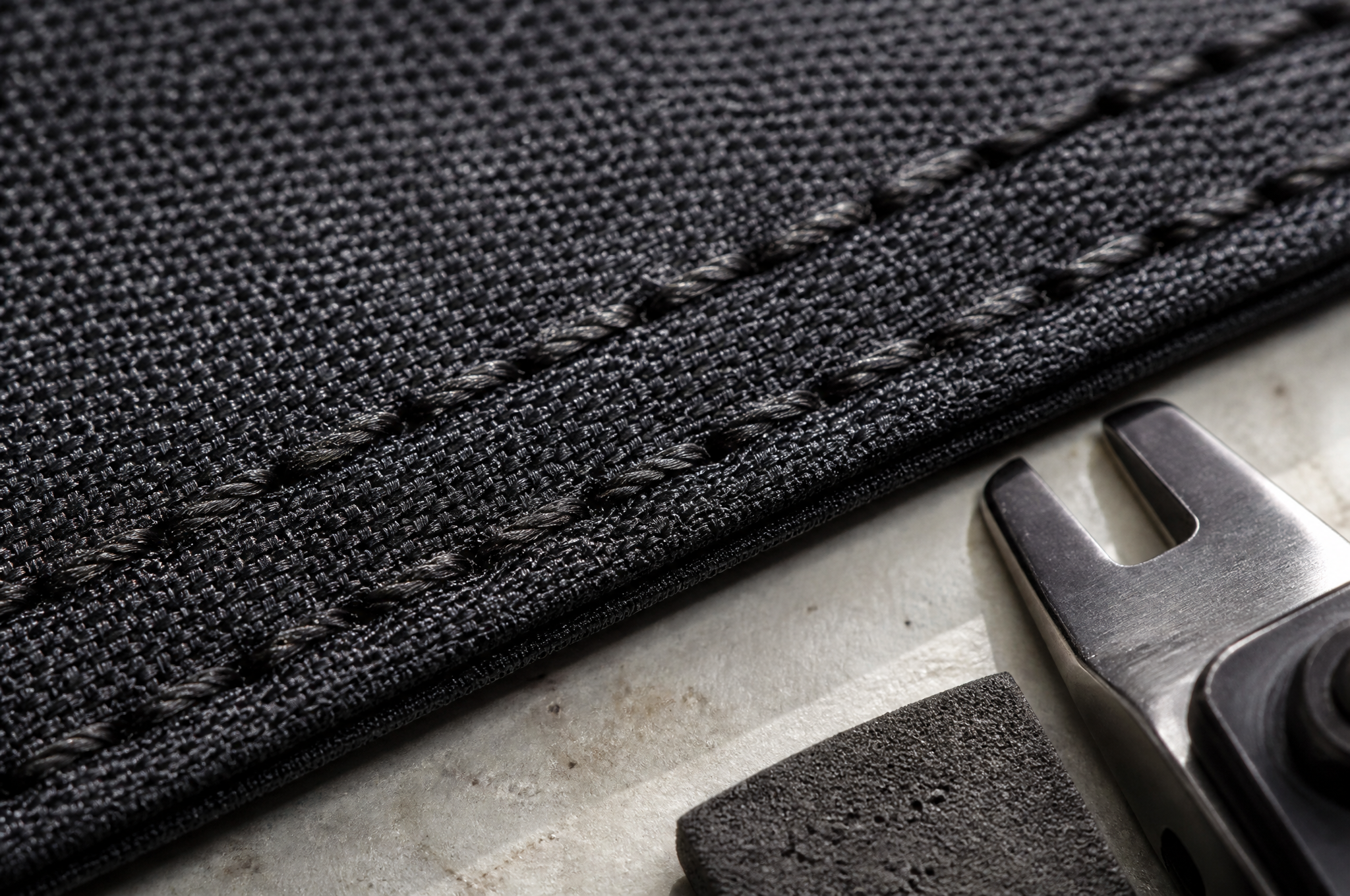
Genera iuncturarum et quidquid unumquodque emat
Choice of construction changes strength and cost.
Single-needle lockstitch: fast, cheap, weak under peel; acceptable only on internal pockets
Double-row lockstitch: two parallel rows spaced 8 mm apart; the workhorse on main compartments, offering roughly 1.6 times the peel resistance of a single row
Flat-felled seam: folded and double-stitched; strongest under abrasion; used on base and side panels of tool backpacks
Bound seam with binding tape: hides raw edges; good for unlined bags; adds 0.8 g per metre of seam and one machine step
Lapped seam with topstitch: used where panels differ in weight; strong in tension but weak in peel unless reinforced at ends
Box-X and bar-tack at seam ends: reinforcement that stops tearing at points of load concentration
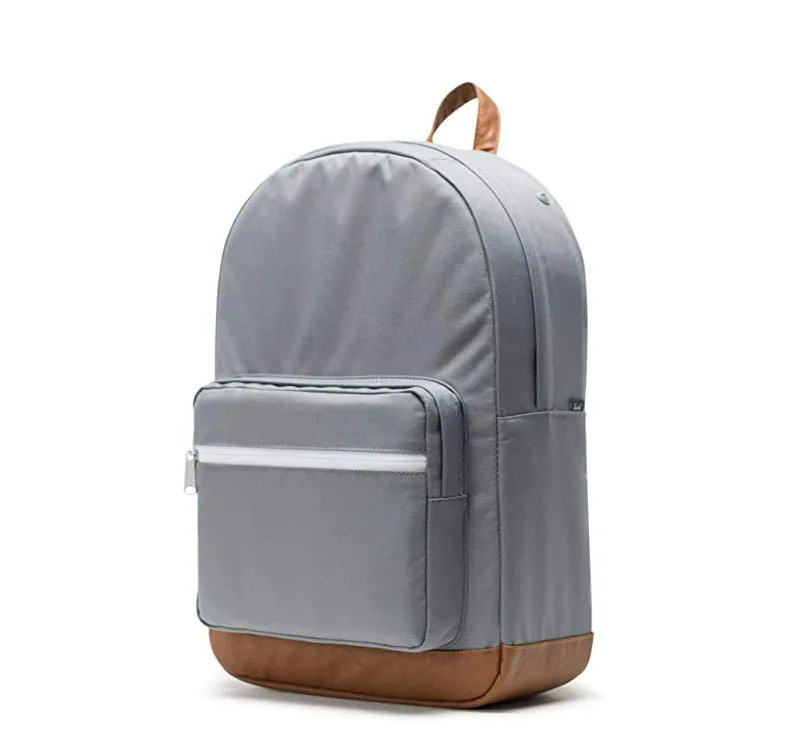
Basis of a laptop backpack deserves most attention. It bears the impact, abrasion, and full weight of laptop. We flat-fell the base panel and back-tack corners on every model above 20 L, adding about 14 seconds per bag. On lower-cost models we sometimes retain single row with bound edge, and we inform buyer which one their price covers.
How We Test Seams and What Counts as a Pass
We test seam strength on universal tensile machine using 100 mm wide strip cut across seam, pulled at 300 mm per minute, following grab-test logic of ASTM D5034 and seam slippage approach in ASTM D434. Loose seam slippage is measured separately at fixed 100 N load, where more than 6 mm yarn movement is fail on coated fabric.
Our pass criteria on finished bags:
Main body vertical seams: 700 N minimum, 900 N target
Base panel seam: 800 N minimum, because it carries drop load
Zipper tape attachment: 500 N minimum
Laptop compartment internal seam: 350 N minimum
Strap anchor seam: 900 N minimum before the bar-tack is counted
Seam efficiency, the seam strength divided by fabric strength: 75 percent or better
Seam efficiency is the number we argue about most with buyers. A seam cannot be stronger than the fabric it joins, so a 90 percent efficiency target on a 1680D shell is a request for denser stitching that will perforate the panel later. We push back on that spec in writing, because agreeing to it would win the order and lose the warranty year.
A second limitation: lab strips are cut straight and tested flat. Real seams curve around corners, cross webbing, and run over foam edges, and the machine will never reproduce a corner where three seams meet. We test those corners by hand, with a clamp and a scale, and record a lower acceptance value than the straight-run figure.
What Buyers Usually Ask First
Prima quaestio quam plerique emptores nobis mittunt est utrum filum gravius automatico modo sacculum fortius faciat. Non facit. Filum Tex 135 in tabula 600D ad 10 SPI onera in paucioribus foraminibus maioribus concentrat et saepe ad valorem minorem deficiens est quam filum Tex 70 ad 9 SPI in eadem tela. Responsum rectum pendet a gravitate telae et genere suture, et unum epistulam valere meret ut ante initium exemplorum confirmeretur.
Apud Tianqin, suturas externas in lineis semi-automaticis conficimus, ubi singulae stationes constantem mensuram longitudo puncti habent, et omnis series productiva tres trahendi suture experimenta ex primis quinquaginta sacculis recipit, quae in registro seriei annotantur. Tela nostra 1680D et 600D cum certificatis fabricae veniunt, et numerum fili in tabula materialium ad gravitatem telae aptamus, non autem ad lineam relinquimus. Machinae secantes automaticae marginem tabularum intra 1 mm tenent, quod magni momenti est, quia margines asperi morsum suturae breviorem faciunt.
Mittite speciem suture antequam exemplum approbetis
Mitte nobis pondus textilis tuae, loca sutorum tuorum, et onus quod affirmationes tuae de garantiā tegere debent. Nobis redibit densitas sutorum et specificatio fili per singulum sutorum, numerus efficacitatis sutorum, et pretium refortificationis ubi necessaria est.
Contact [email protected] or visit www.tianqinbag.com ut exemplar petas cum registris experimentorum sutorum, citatum fabricae accipias, aut proiectum OEM/ODM cum Quanzhou Tianqin Bags Co., Ltd. incipias. Exempla paranda sunt in 7–15 dies operativos. Septemdecim annos productio sarcinarum in Quanzhou, cum relationibus experimentorum SGS ad petitionem praebitis.

 Nuntii Calidi