EN



The quote is dated 12 April at 8.60 USD FOB Xiamen and states 30 days validity. The purchase order arrives 5 September. Between the two dates the RMB moved, the fabric mill repriced twice, and the factory that wrote 8.60 now needs 9.35. Somebody has to absorb 0.75 per bag. That conversation is settled by what the quote said about currency, not by goodwill on either side.
What a Validity Window Really Covers
A validity period is a promise about two different things, and most quotes only mean the first one. It promises a currency rate, and it promises raw material prices. When a quote says 30 days and the buyer reads it as a fixed price for a season, the mismatch shows up at the PO stage.
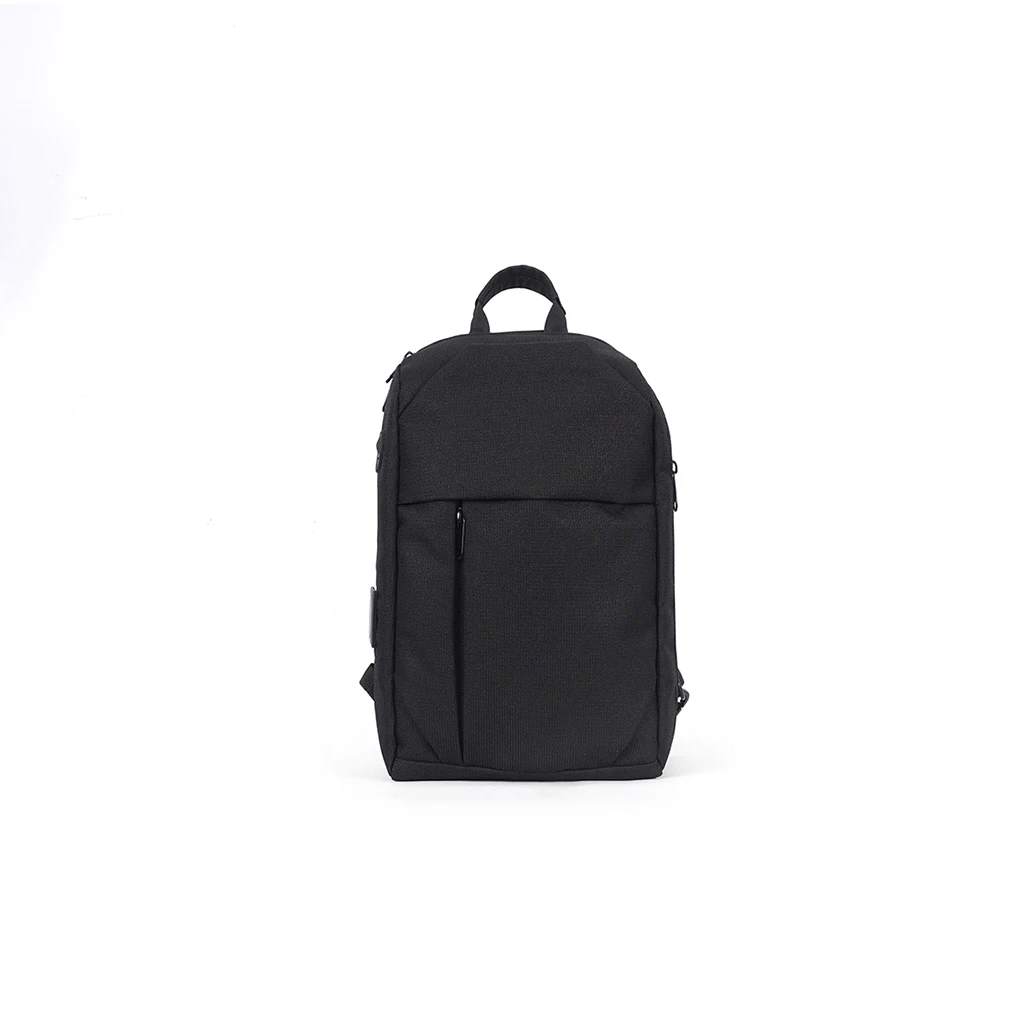
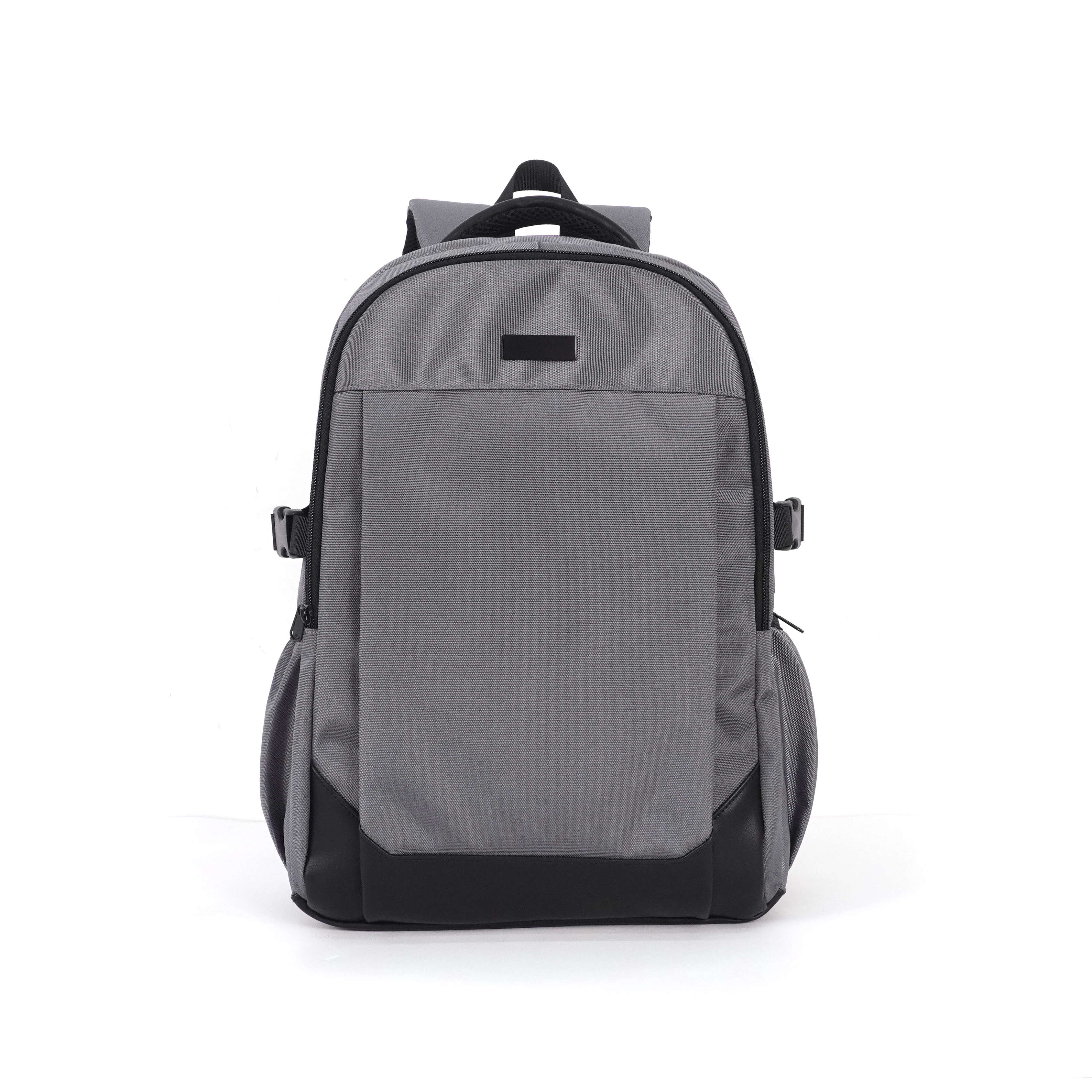
Our cost base is RMB. Fabric, webbing, foam, thread, and labor are all paid in RMB. Zippers, some hardware, and a few coatings are imported or priced against USD. So on a bag like our 25 litre laptop backpack, roughly 85 percent of the cost sits in RMB and 15 percent is exposed to the dollar from the other direction. Revenue is 100 percent USD. That is a genuine structural exposure, not a negotiating position.
Factories handle it in one of three ways: quote short validity, quote long validity with a hedge built into the price, or quote long validity and hope. The third is common and it is why quotes sometimes evaporate.
One more layer sits underneath. If your PO is in EUR and our cost base is RMB, there are two conversions in the chain, and the one that hurts is usually not the one you are watching. We derive EUR quotes from the USD cross rate, so a EUR buyer inherits both moves at once and usually discovers it only when the rate table is produced.
The Size of the Exposure in Real Numbers
Accipere ordinem pro 5.000 unitatibus ad 9,20 USD, quod est 46.000 USD reditus et, ad nostrum marginem brutum 15,8 percentum, fere 7.270 USD lucri bruti.
Appreciatio RMB 2 percentum, ab 7,10 ad 6,96, impendit fere 920 USD, quod est 12,6 percentum marginis bruti.
Mobilis 4 percentum impendit 1.840 USD, aut 25 percentum marginis bruti.
Mobilis 6 percentum impendit 2.760 USD, aut 38 percentum marginis bruti.
Hoc est tota causa cur periodi validitatis existant. Mobilis monetaria quae parva videtur in titulis tollit tertiam partem lucri ordinis, et hoc fit post fixationem pretii et postquam merces iam praecisae sunt.
Ad magnitudinem: RMB negotiabatur prope 6,35 ad dollarem in initio anni 2022 et prope 7,25 ad autumnem, mobilis 14 percentum in fere octo mensibus. Per annos 2023 et 2024 manebat praecipue inter 7,05 et 7,35. Fenestra 30 dierum in anno tranquillo et fenestra 30 dierum in anno 2022 non sunt idem instrumentum.
Quomodo fabrica pretium illius periculi stat, facilius videtur quam emptores exspectant. Addere cuneum 3 procentualis ad sacculum 9,20 est 0,28 per unitatem, quod est fere 3 750 USD in ordine 5 000 unitatum. Quidam emptores malunt semel cuneum solvere quam postea litigare. Alii malunt periculum retinere et 0,28 servare. Uterque modus rationabilis est, sed electio ad emptorem pertinet et in citatione apparuere debet, non in linea marginis abdita.
Aequa Validitas per Lineam Pretii
Diversae res introductae diversis velocitatibus moventur, et unicum numerum validitatis super omnes eas applicare est mediocris valor rerum quae inter se non congruunt.
Tela testacea et intus: 15 dies firmi, quia molae pretia subito mutare solent propter filum et stratum
Stratum PU et spuma EVA: 15 dies, sequens derivata olei
Ferrum zinci et cremallerae metallice: 30 dies, sequens zincum LME
Labor et onera: 90 dies, aut unum cyclum revisionis salaris minimi
Emballagium et impressio: 30 dies
Mixtus, 30 dies est aequa validitas pro citatione sacculi ex materialibus communibus. 60 dies est largus et saepe parvum cuneum in pretio continet. 90 dies in prima ordinatione cum textili colorato ad usum specialem est promissum quod fabrica implere non potest, et emptores hoc ut monitum, non ut victoriam, legere debent.
Limitatio practica ex parte nostra: non possumus protegere pecunias sicut banca. Non emimus praetia pecuniarum pro una ordinatione, quia praemium ad pretium tuum adderetur pro impensa quae forte numquam veniet. Quod facere possumus est brevem fenestram sincere citare et cum probationibus corrigere.

Clausa quam utraque pars sustinere potest
Scripto pecuniam in contractu sex partibus, et controversia ad tempus ordinationis evanescit.
Statuo ratam fundamentalem et fontem eius, exempli gratia ratam centralem publicatam die citationis
Statuo limitem plus minus 2 percentum, intra quem neutra pars pretium mutare potest
Ultra limitem, motus dividitur aequo modo (50/50), non omnis ad unam partem imponitur
Nominare la prova: il tasso di parità centrale pubblicato nella data della fattura, stampato insieme alla fattura
Limitare l’aggiustamento totale al 5 percento del prezzo unitario, in modo che nessuna delle due parti venga annullata da un movimento estremo
Mantenere la simmetria, affinché anche l’acquirente ottenga il vantaggio quando la valuta si muove nella direzione opposta
Quell’ultimo punto è quello che gli acquirenti dimenticano di richiedere e poi rimpiangono. Una clausola che opera soltanto a favore dello stabilimento non è una clausola valutaria, ma un aumento di prezzo mascherato da documentazione.
Accanto ad essa va inserita una clausola sulle materie prime. Il tessuto deve poter essere riquotato oltre i 30 giorni, con allegata lettera di prezzo dell’impianto produttore. Senza tale lettera, lo stabilimento o assorbe l’aumento del costo del rivestimento o sostituisce silenziosamente un grado inferiore nella produzione in serie. Entrambe le situazioni si sono verificate, e la seconda è peggiore per tutti.
When no clause exists, the outcome depends on leverage rather than on facts. The buyer holds the PO and the factory holds the goods, and what follows is a discount that satisfies nobody and damages the next round of negotiation. We watched a 40,000 USD order settle at a 2,400 USD split that neither party could justify from a published rate table. Two hours of drafting in April would have removed the argument entirely.
Check the Quote Header and Footer
Most of the risk sits outside the price table. Read these lines before you file the quote.
Validity period in days, and the exact expiry date, not just the issue date
Currency of the quote and currency of the PO, and who carries the conversion
Base exchange rate if any adjustment clause exists
Whether the price is firm beyond validity or subject to raw material review
Payment terms, since a 60 day credit line is itself a currency position
Which cost lines are excluded from any index clause
Re-negotiation trigger and the notice period either side must give
The question buyers ask us most often is why a quote cannot simply stay valid for six months. Because our fabric supplier will not give us six months, and a factory that promises it is pricing the risk into the bag rather than talking about it.
Ask for the Clause Before You Ask for the Price
Send us your order size and your PO timeline. We will tell you the validity period we can hold, the base rate behind the quote, and whether the order needs a currency clause at all, which for any order shipping inside 45 days it usually does not.
Quanzhou Tianqin Bags Co., Ltd has 17 years of manufacturing behind it and exports to more than 50 countries, so we write these clauses in several currencies every month. Our sampling window is 7-15 working days, and a quote issued after an approved sample carries its validity and base rate on the same page.
Email [email protected] or visit www.tianqinbag.com cum quantitate tua, fenestra expeditionis tuae et pecunia qua solvis. Malumus nunc convenire de mechanico quam postea renegociare pretium firmum in mense malo.
 Nuntii Calidi