EN



The quote is dated 12 April at 8.60 USD FOB Xiamen and states 30 days validity. The purchase order arrives 5 September. Between the two dates the RMB moved, the fabric mill repriced twice, and the factory that wrote 8.60 now needs 9.35. Somebody has to absorb 0.75 per bag. That conversation is settled by what the quote said about currency, not by goodwill on either side.
What a Validity Window Really Covers
A validity period is a promise about two different things, and most quotes only mean the first one. It promises a currency rate, and it promises raw material prices. When a quote says 30 days and the buyer reads it as a fixed price for a season, the mismatch shows up at the PO stage.
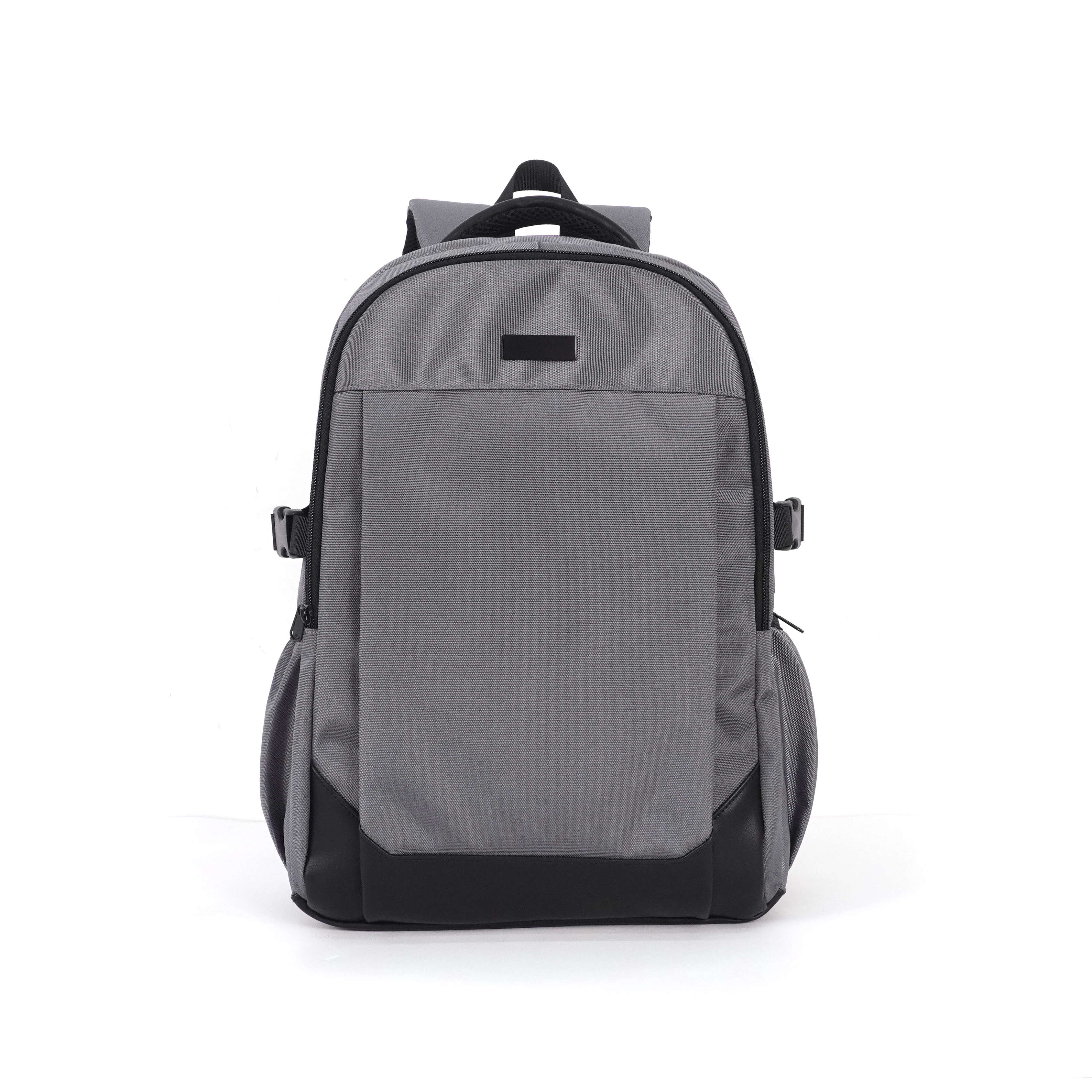
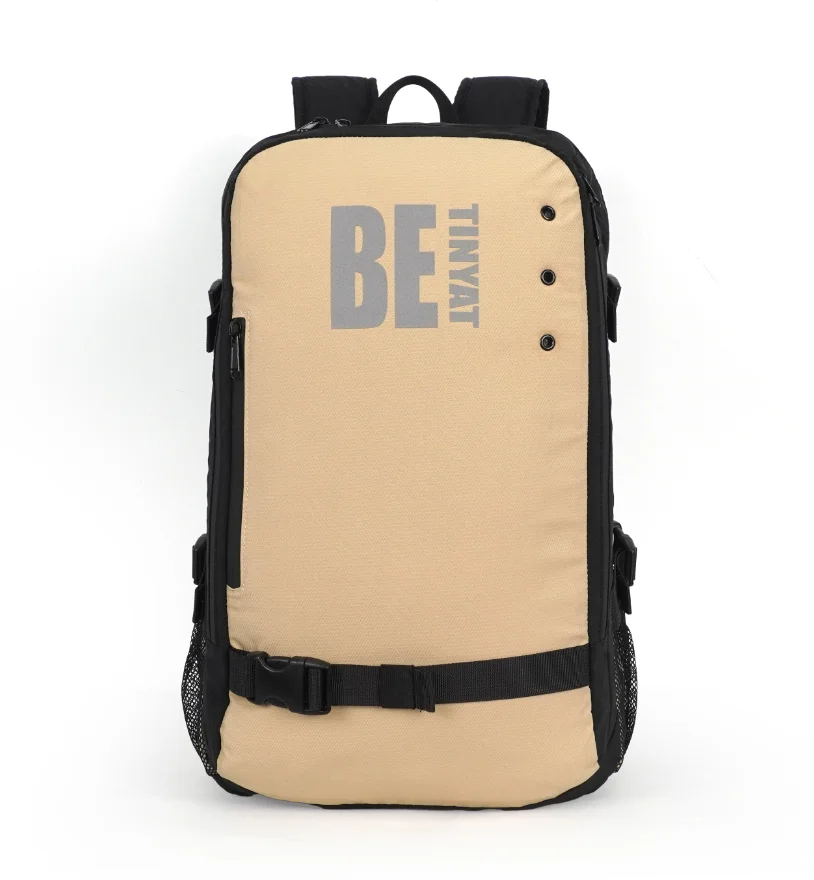
Our cost base is RMB. Fabric, webbing, foam, thread and labor are all paid in RMB. Zippers, some hardware and a few coatings are imported or priced against USD. So on a bag like our 25 litre laptop backpack, roughly 85 percent of the cost sits in RMB and 15 percent is exposed to the dollar from the other direction. Revenue is 100 percent USD. That is a genuine structural exposure, not a negotiating position.
Factories handle it in one of three ways: quote short validity, quote long validity with a hedge built into the price, or quote long validity and hope. The third is common and it is why quotes sometimes evaporate.
One more layer sits underneath. If your PO is in EUR and our cost base is RMB, there are two conversions in the chain, and the one that hurts is usually not the one you are watching. We derive EUR quotes from the USD cross rate, so a EUR buyer inherits both moves at once and usually discovers it only when the rate table is produced.
The Size of the Exposure in Real Numbers
Take a 5,000 unit order at 9.20 USD, which is 46,000 USD of revenue and, at our 15.8 percent gross margin, about 7,270 USD of gross profit.
A 2 percent RMB appreciation, from 7.10 to 6.96, costs about 920 USD, which is 12.6 percent of gross margin
A 4 percent move costs 1,840 USD, or 25 percent of gross margin
A 6 percent move costs 2,760 USD, or 38 percent of gross margin
That is the whole reason validity periods exist. A currency move that looks small in headline terms removes a third of the profit on an order, and it does so after the price is fixed and the goods are already cut.
For scale, the RMB traded near 6.35 to the dollar in early 2022 and near 7.25 by the autumn, a 14 percent move in about eight months. Through 2023 and 2024 it held mostly between 7.05 and 7.35. A 30 day window in a calm year and a 30 day window in 2022 are not the same instrument.
How a factory prices that risk is easier to see than buyers expect. Adding a 3 percent cushion to a 9.20 bag is 0.28 per unit, which is about 3,750 USD on a 5,000 unit order. Some buyers would rather pay the cushion once than argue later. Others would rather hold the exposure and keep the 0.28. Both are rational, but the choice belongs to the buyer and it should be visible on the quote rather than buried in the margin line.
Fair Validity by Cost Line
Different inputs move at different speeds, and a single validity number across all of them is an average of things that do not belong together.
Shell fabric and lining: 15 days firm, because mills reprice quickly on yarn and coating
PU coating and EVA foam: 15 days, tracking oil derivatives
Zinc alloy hardware and metal zippers: 30 days, tracking LME zinc
Labor and overhead: 90 days, or one minimum wage review cycle
Packaging and printing: 30 days
Blended, 30 days is a fair validity period for a quote on a bag with standard materials. 60 days is generous and usually carries a small cushion in the price. 90 days on a first order with a custom dyed fabric is a promise the factory cannot keep, and buyers should read it as a warning rather than a win.
The practical limitation on our side: we cannot hedge the way a bank can. We do not buy currency forwards against a single purchase order, because the premium would be added to your price for a cost that may never arrive. What we can do is quote a short window honestly and adjust with evidence.

The Clause That Both Sides Can Live With
Write currency into the contract in six parts, and the argument at PO stage disappears.
State the base rate and its source, for example the central parity rate published on the quote date
Set a band of plus or minus 2 percent inside which neither side may adjust the price
Beyond the band, split the movement 50/50 rather than pushing all of it onto one party
Name the evidence: the published central parity rate on the invoice date, printed with the invoice
Cap the total adjustment at 5 percent of unit price, so neither side is wiped out by an extreme move
Keep it symmetric, so the buyer also gets the benefit when the currency moves the other way
That last point is the one buyers forget to ask for and then regret. A clause that only moves in the factory's favour is not a currency clause, it is a price increase with paperwork.
A raw material clause belongs beside it. Fabric should be re-quotable beyond 30 days with a mill price letter attached. Without that, a factory either absorbs a coating increase or quietly substitutes a lower grade on the bulk. We have seen both, and the second is worse for everyone.
When no clause exists, the outcome depends on leverage rather than on facts. The buyer holds the PO and the factory holds the goods, and what follows is a discount that satisfies nobody and damages the next round of negotiation. We watched a 40,000 USD order settle at a 2,400 USD split that neither party could justify from a published rate table. Two hours of drafting in April would have removed the argument entirely.
Check the Quote Header and Footer
Most of the risk sits outside the price table. Read these lines before you file the quote.
Validity period in days, and the exact expiry date, not just the issue date
Currency of the quote and currency of the PO, and who carries the conversion
Base exchange rate if any adjustment clause exists
Whether the price is firm beyond validity or subject to raw material review
Payment terms, since a 60 day credit line is itself a currency position
Which cost lines are excluded from any index clause
Re-negotiation trigger and the notice period either side must give
The question buyers ask us most often is why a quote cannot simply stay valid for six months. Because our fabric supplier will not give us six months, and a factory that promises it is pricing the risk into the bag rather than talking about it.
Ask for the Clause Before You Ask for the Price
Send us your order size and your PO timeline. We will tell you the validity period we can hold, the base rate behind the quote, and whether the order needs a currency clause at all, which for any order shipping inside 45 days it usually does not.
Quanzhou Tianqin Bags Co., Ltd has 17 years of manufacturing behind it and exports to more than 50 countries, so we write these clauses in several currencies every month. Our sampling window is 7-15 working days, and a quote issued after an approved sample carries its validity and base rate on the same page.
Email [email protected] or visit www.tianqinbag.com with your quantity, your shipment window and the currency you pay in. We would rather agree the mechanic now than renegotiate a firm price in a bad month.
 Hot News